




Racing Gaming Chairs
Find Your Perfect Racing Cockpit
Compare our top Playseat racing simulators side by side to find the right fit for your setup, space, and racing style.


Price
$1,199.00
$2,499.00
Seating Position
GT / Rally
Open-wheel / F1®
Frame Material
Steel & aluminum
Premium steel
Foldable Design
Yes
No
Monitor Mount Ready
Yes
Yes
Adjustable Pedal Plate
Yes
Yes
Best For
Immersive GT racing
Pro F1® simulation
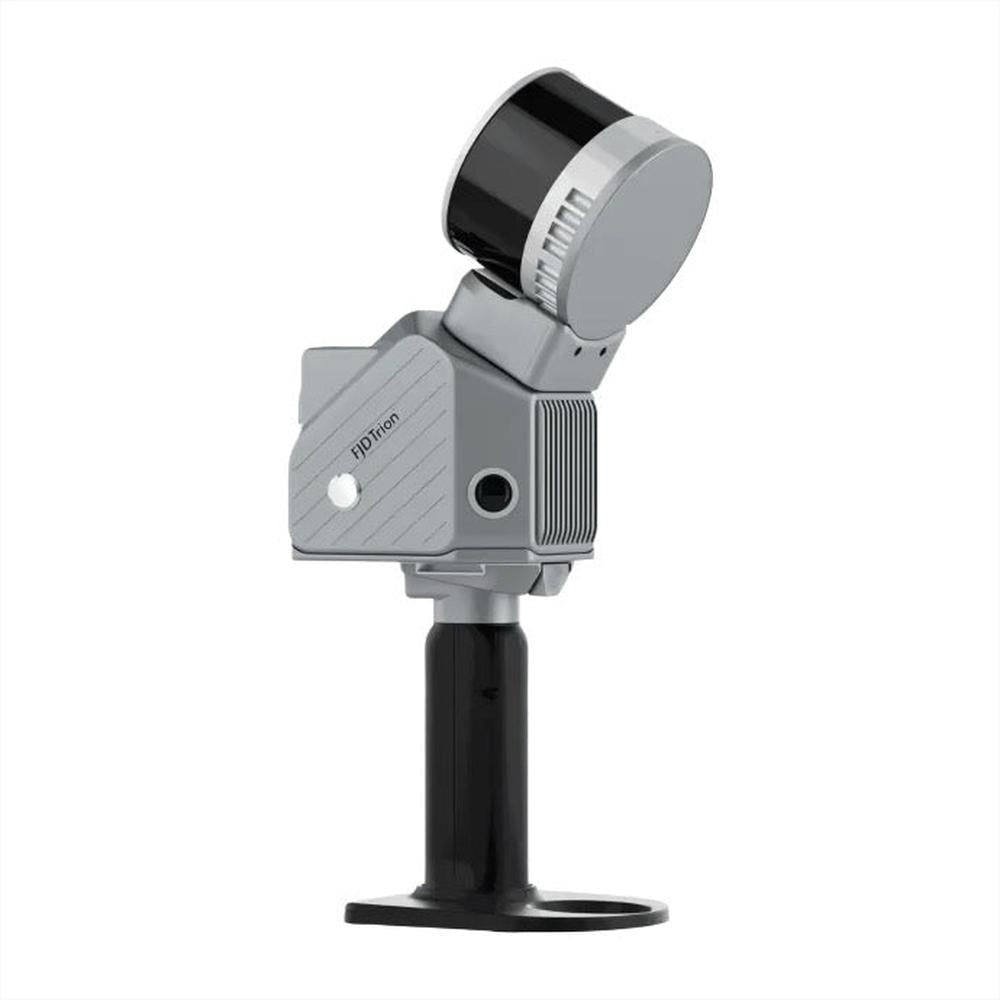
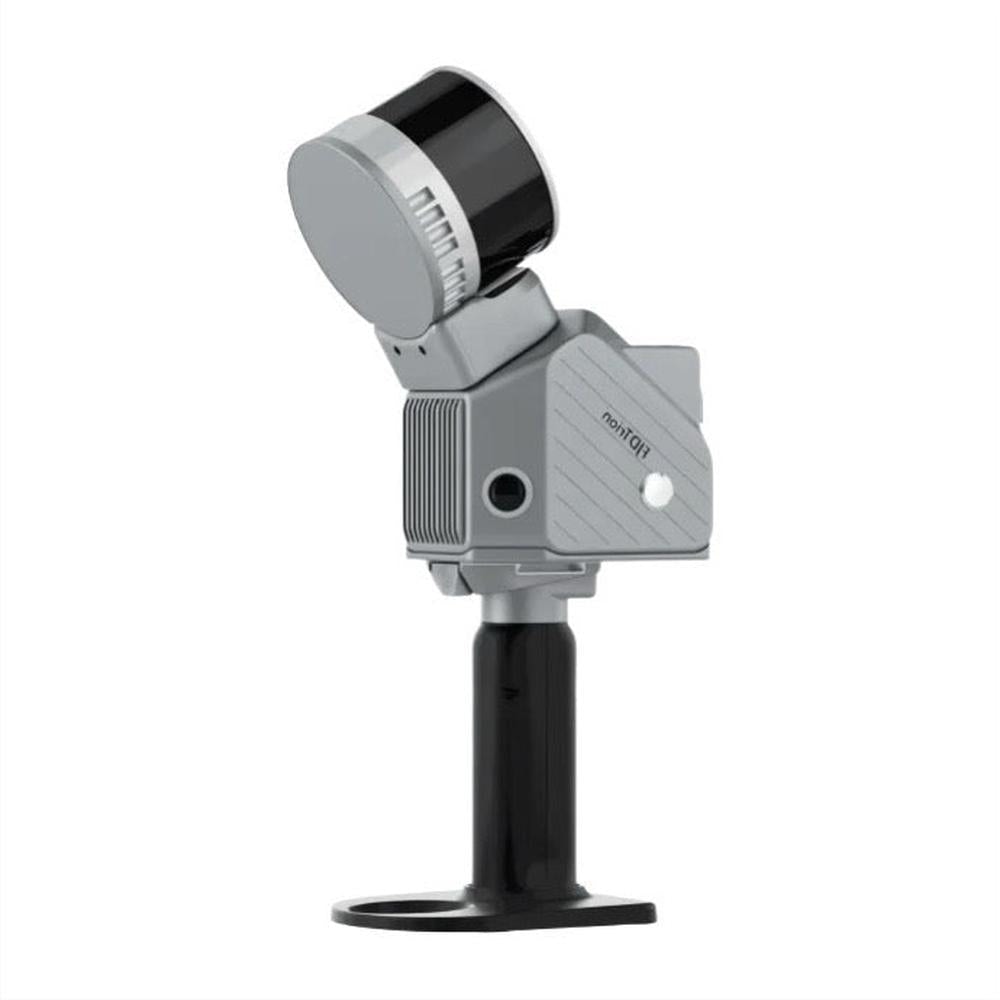
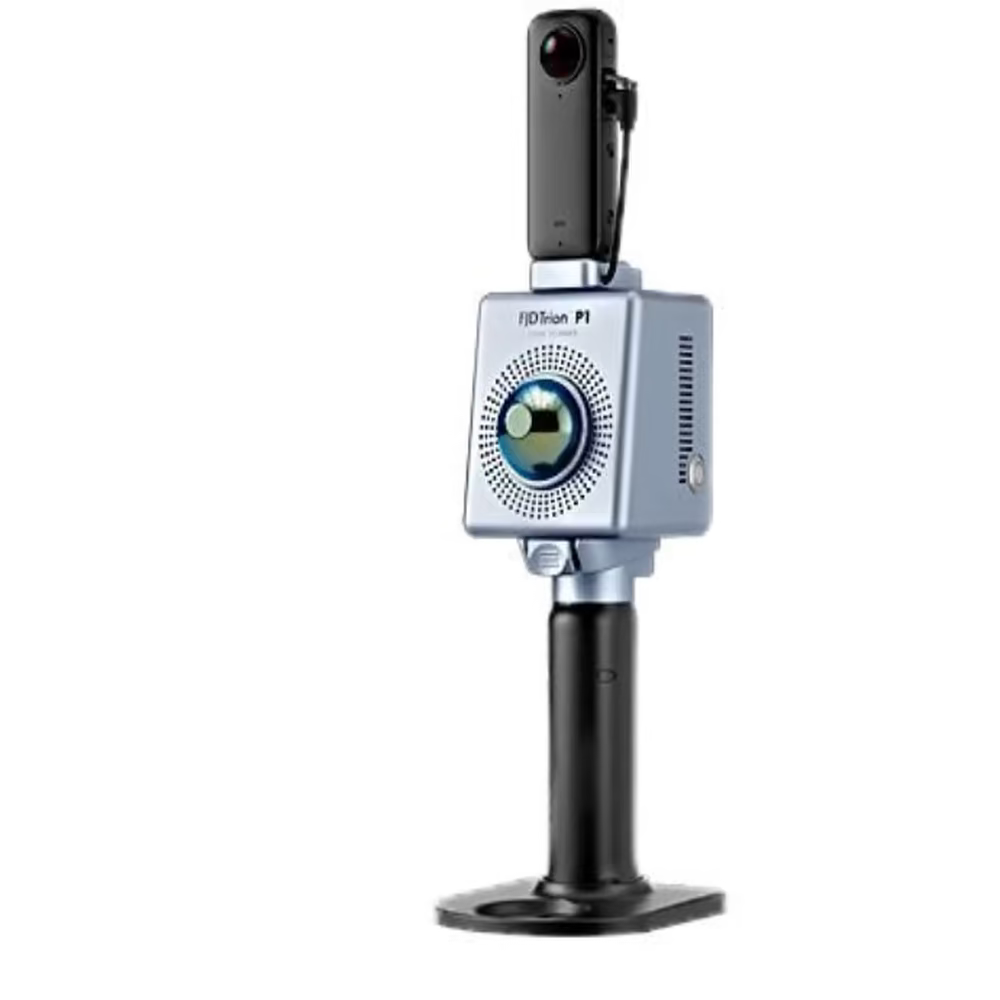
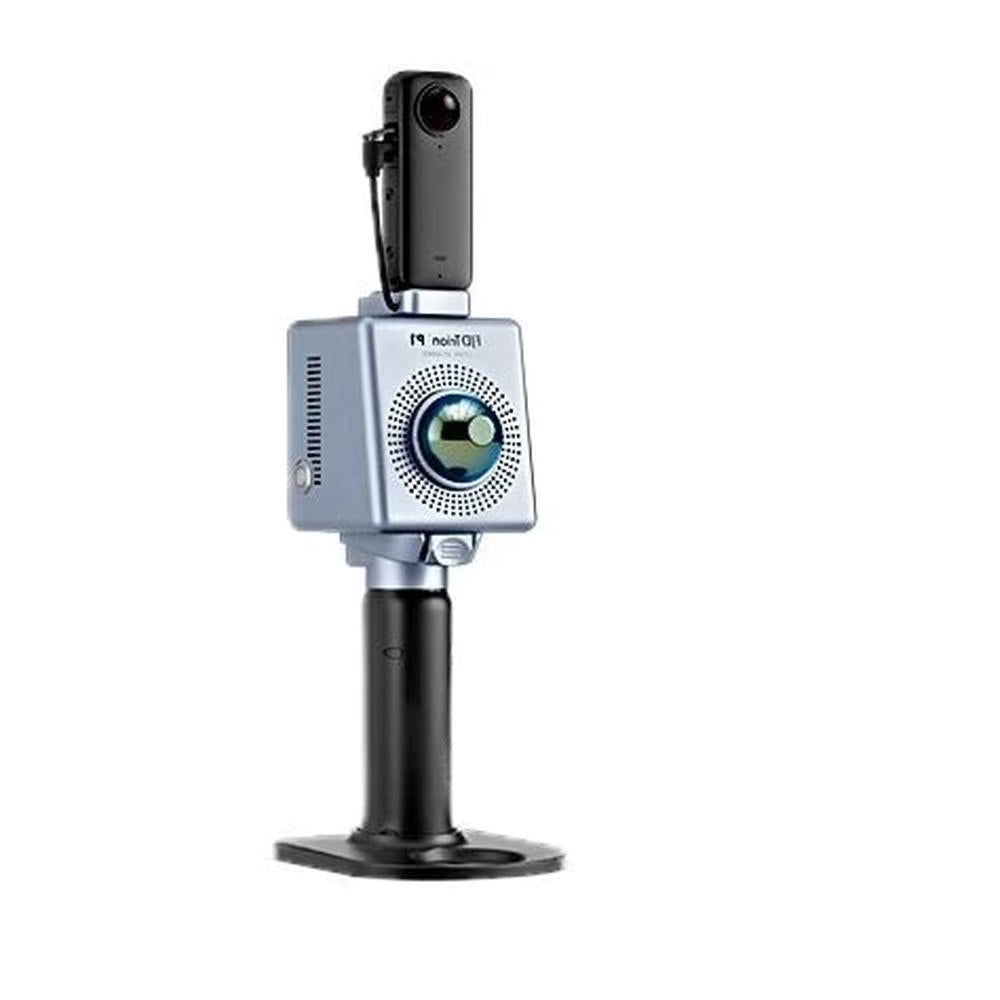
3D scanners capture real-world spaces and objects as point clouds or models for surveying, construction, BIM, mapping and digital twins. This collection features FJDynamics Trion LiDAR scanners, including the handheld Trion P1 and the Trion S2, S2 PRO and S2 Max, along with compatible accessories such as the Trion 4K panoramic camera, P1 grip batteries and the V10i RTK GNSS receiver.
How to Choose the Right 3D Scanners
- Decide on the job size: handheld units like the Trion P1 (about 70 m range) suit rooms and buildings, while the S2 series reaches 120 m and the S2 Max 300 m for large sites.
- Compare point rate and channels: 16-channel scanners capture about 320,000 points per second, 32-channel models about 640,000.
- Check stated accuracy (around ±1.2 cm to ±2 cm on these models) against your survey tolerances.
- If you need georeferenced data, look for RTK support or pair the scanner with an RTK GNSS receiver.
- Add a panoramic camera if you need colorized point clouds or visual documentation.
- Plan for spare batteries on long field days.
3D Scanners FAQs
What is a LiDAR scanner used for?
LiDAR scanners measure distance with laser pulses to build accurate 3D point clouds of buildings, terrain and infrastructure for surveying, construction and inspection.
What is SLAM scanning?
SLAM (simultaneous localization and mapping) lets a mobile scanner track its own position while it moves, so you can capture a space by walking through it instead of setting up many fixed stations.
Do I need RTK with a 3D scanner?
Only if your point clouds must be tied to real-world coordinates. RTK GNSS adds precise positioning for mapping and stakeout work.
Handheld or long-range scanner?
Handheld scanners are lighter and faster for interiors and smaller areas; longer-range, higher-channel units cover large outdoor sites more efficiently.