
Racing Gaming Chairs
Find Your Perfect Racing Cockpit
Compare our top Playseat racing simulators side by side to find the right fit for your setup, space, and racing style.


Price
$1,199.00
$2,499.00
Seating Position
GT / Rally
Open-wheel / F1®
Frame Material
Steel & aluminum
Premium steel
Foldable Design
Yes
No
Monitor Mount Ready
Yes
Yes
Adjustable Pedal Plate
Yes
Yes
Best For
Immersive GT racing
Pro F1® simulation
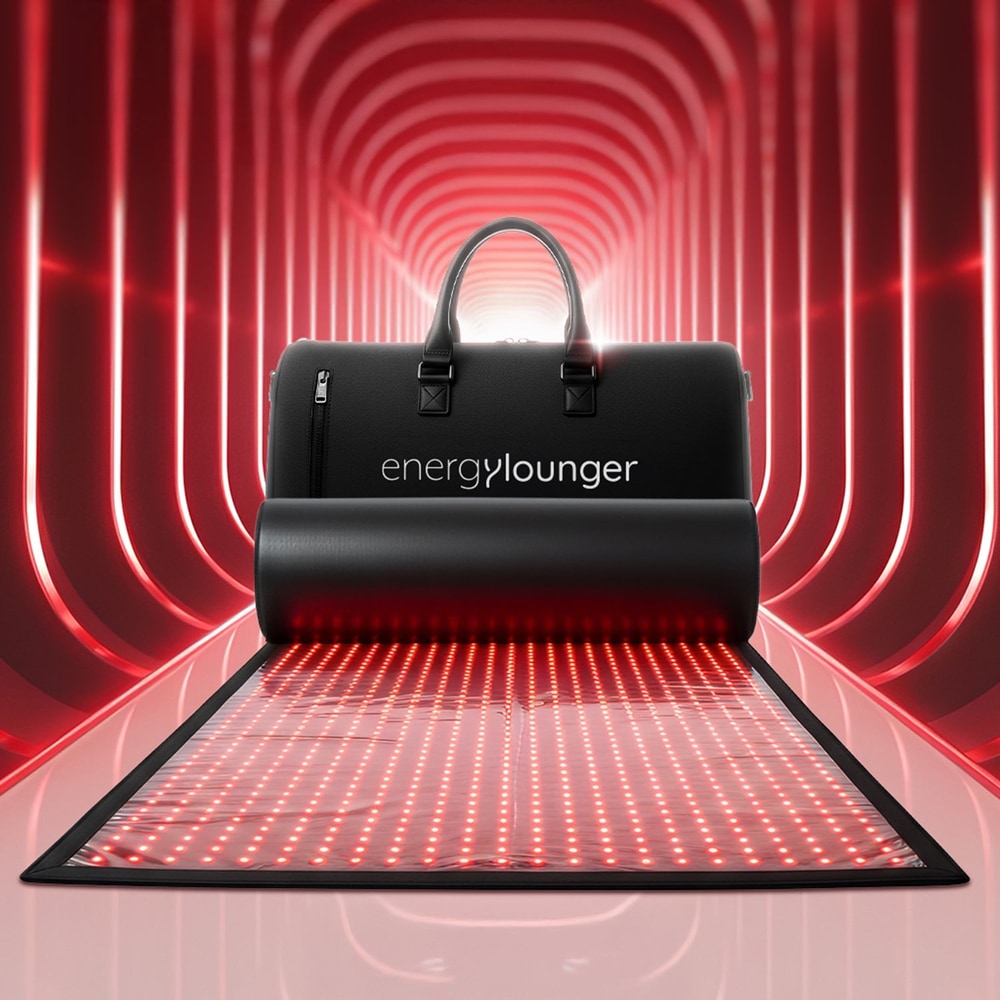
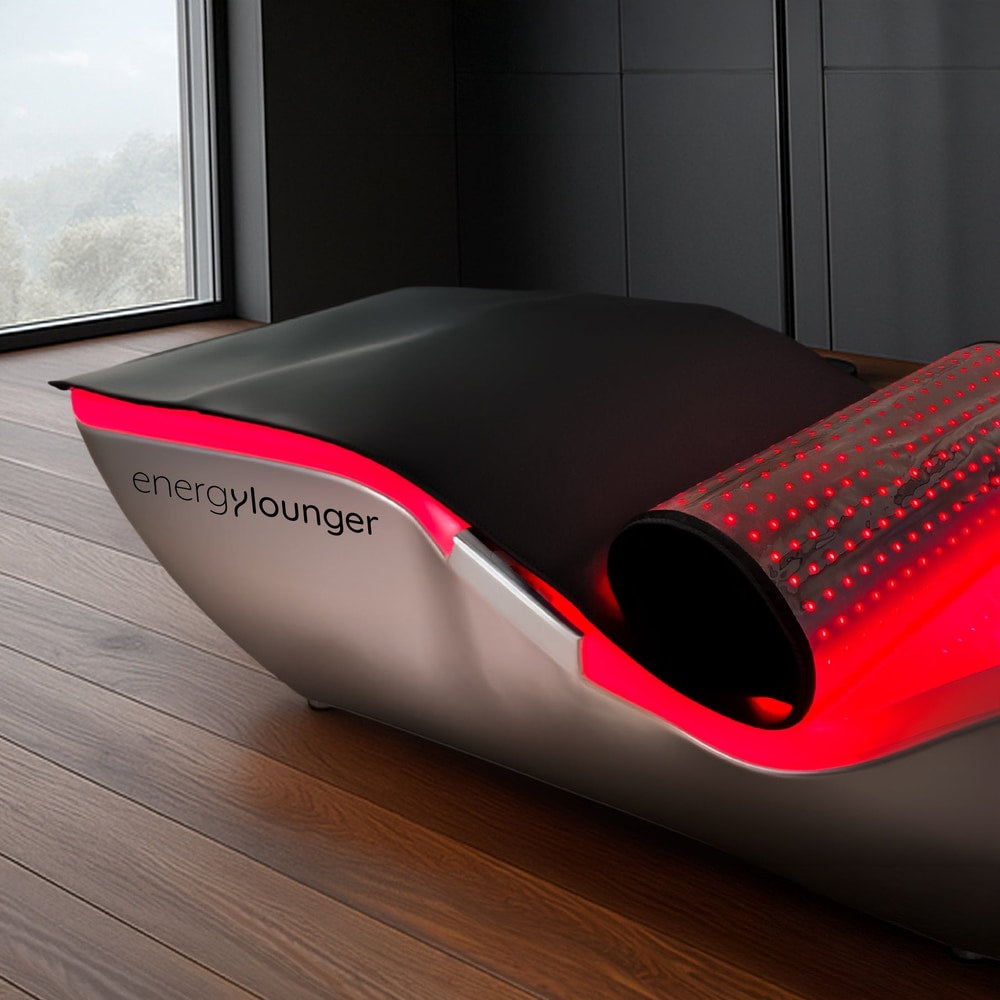
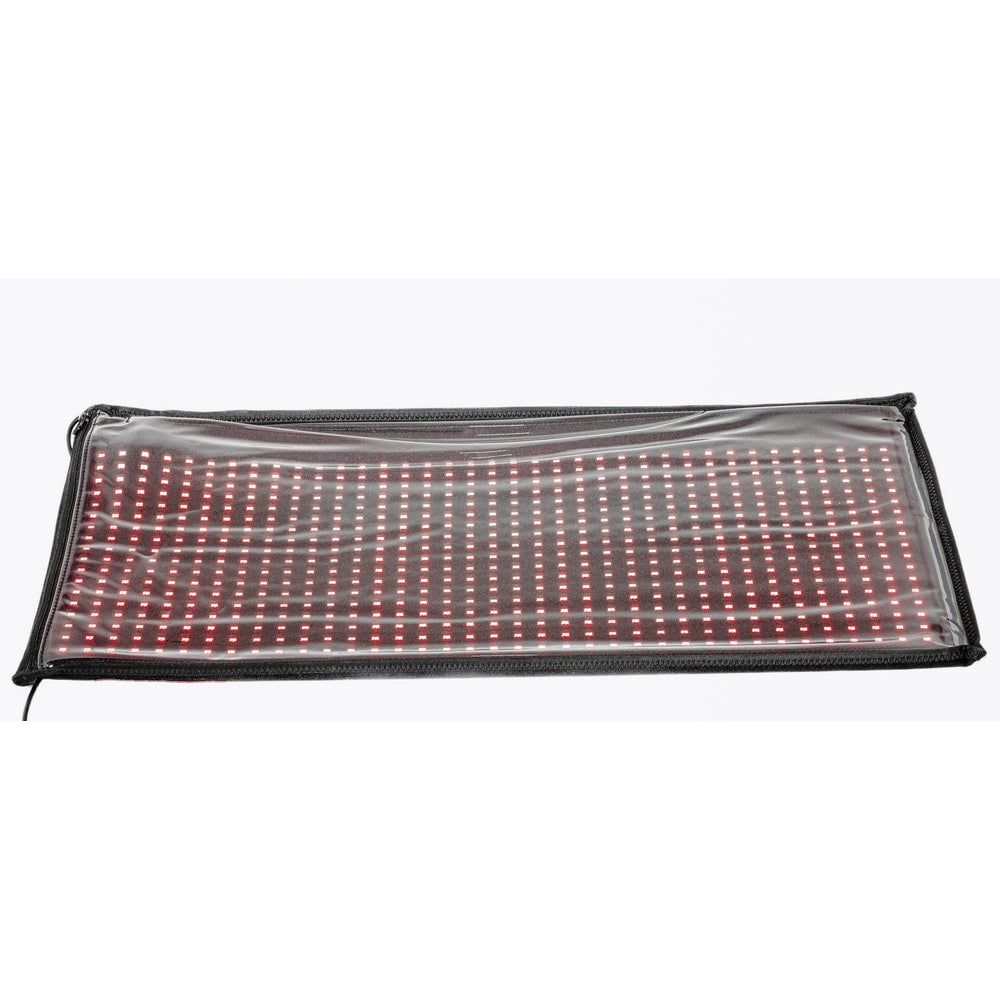
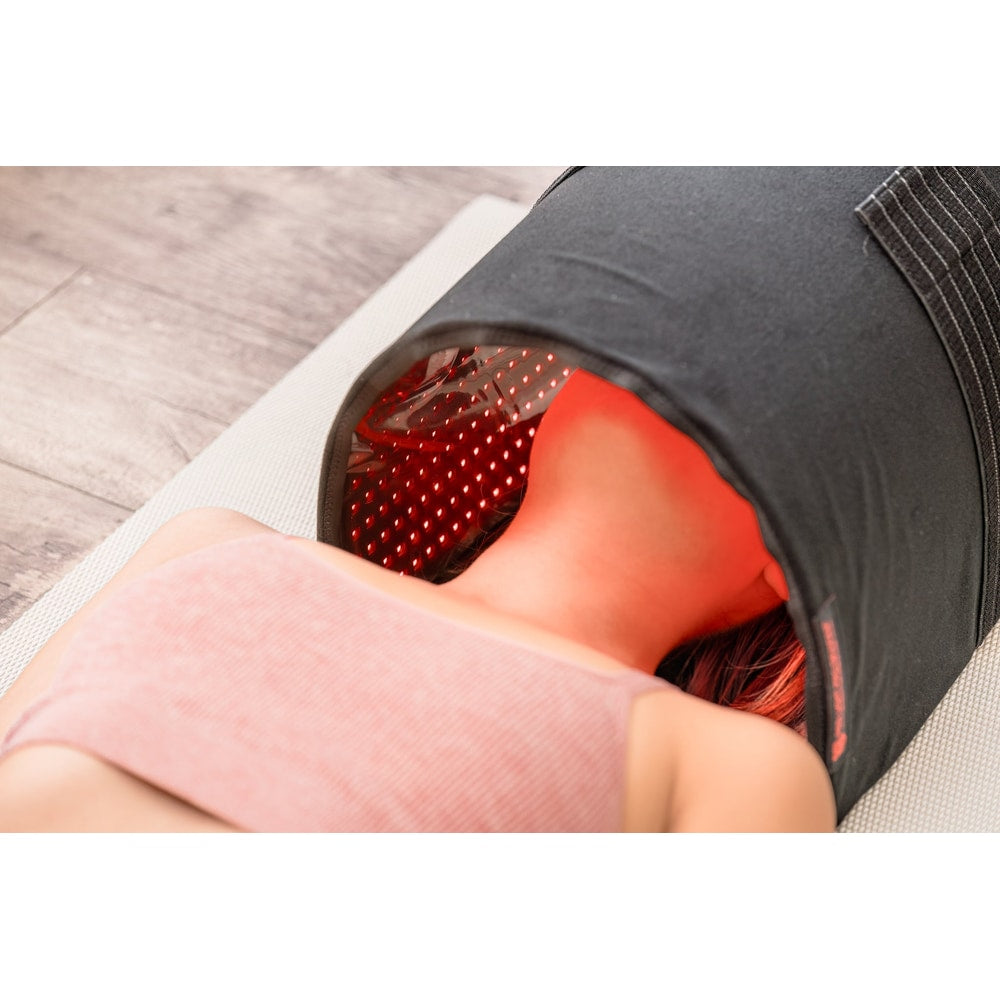
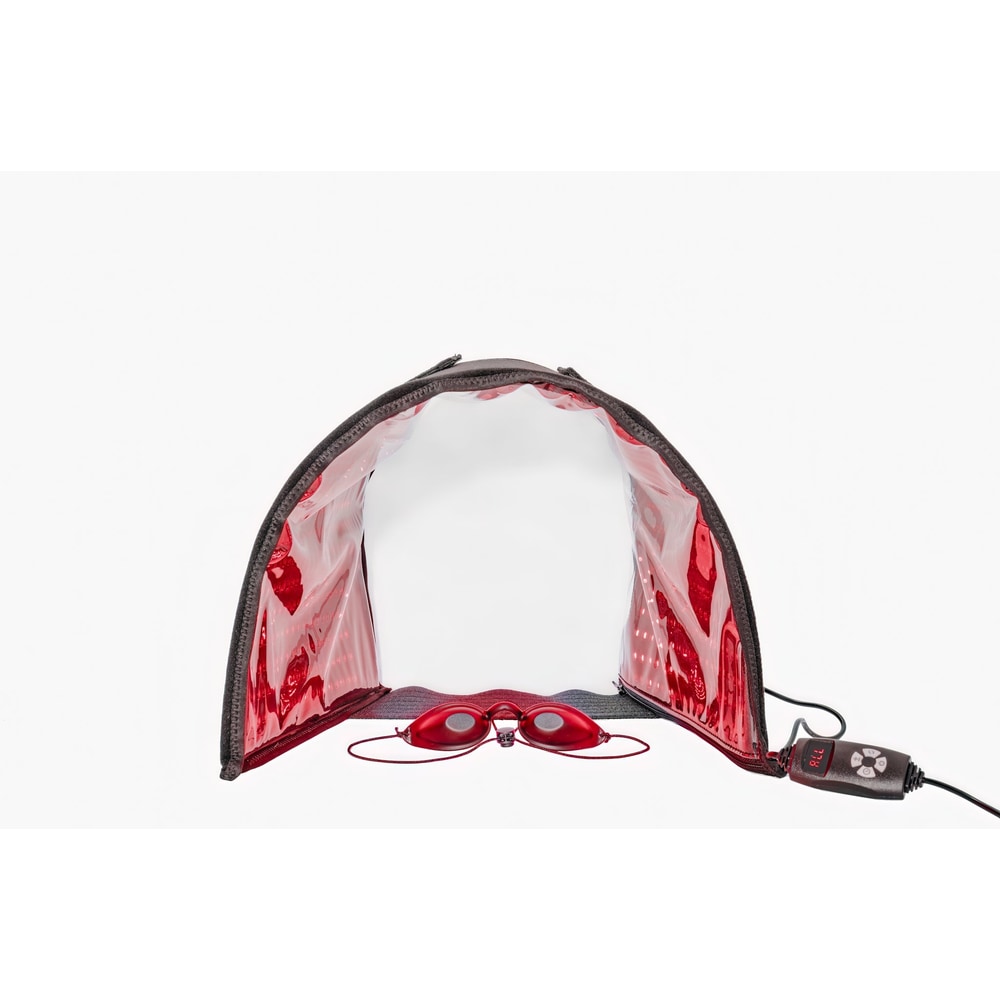
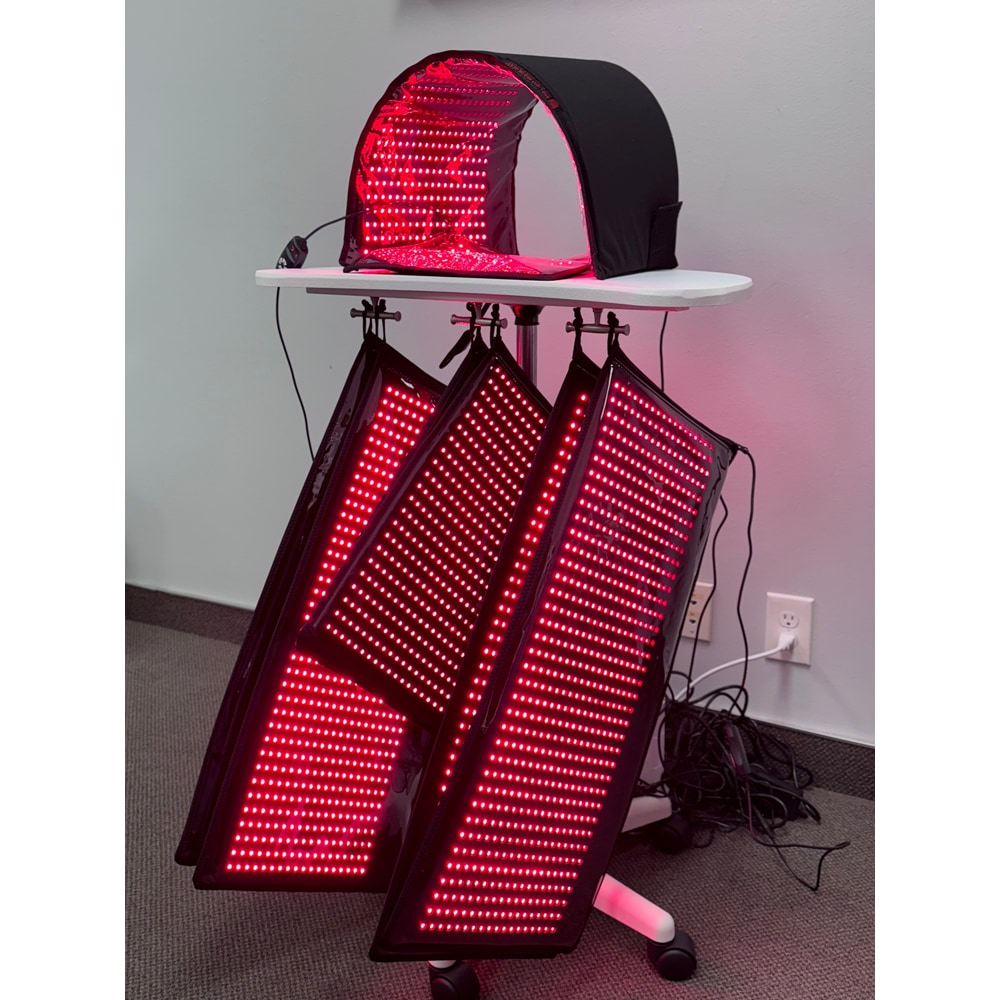
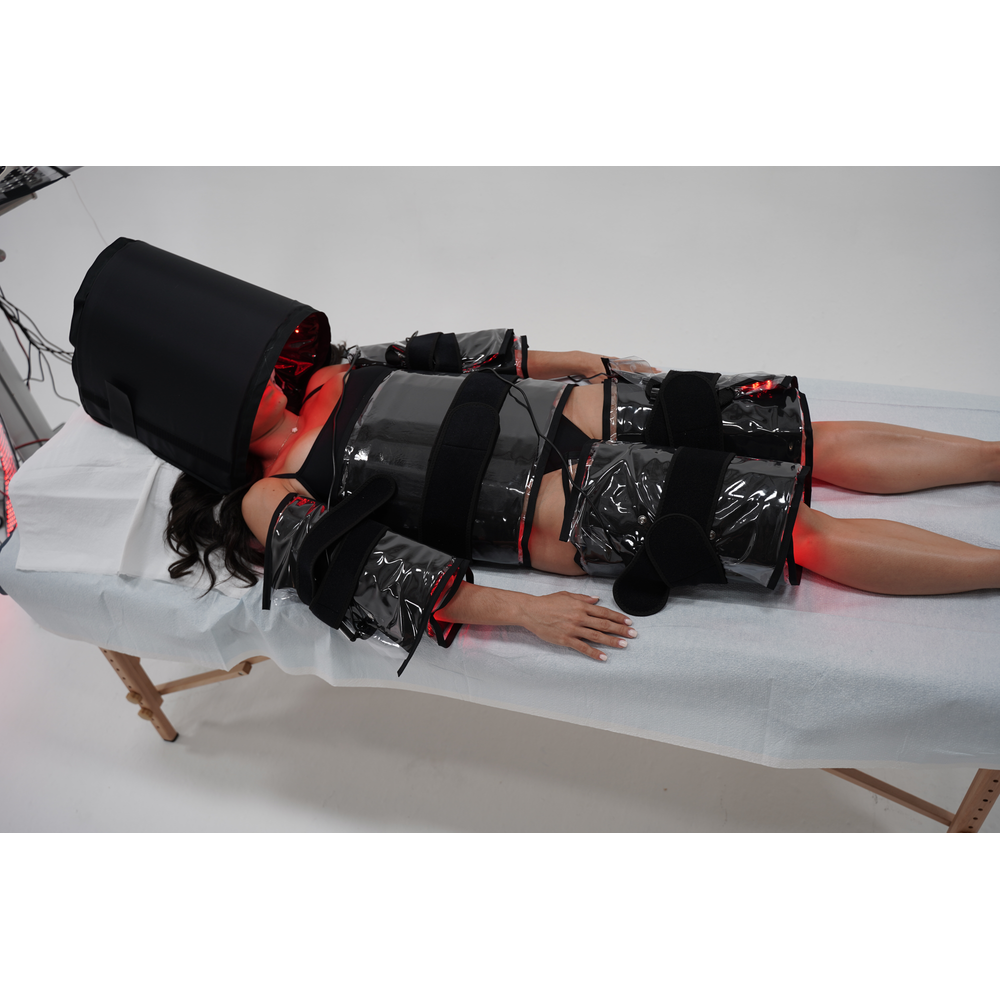
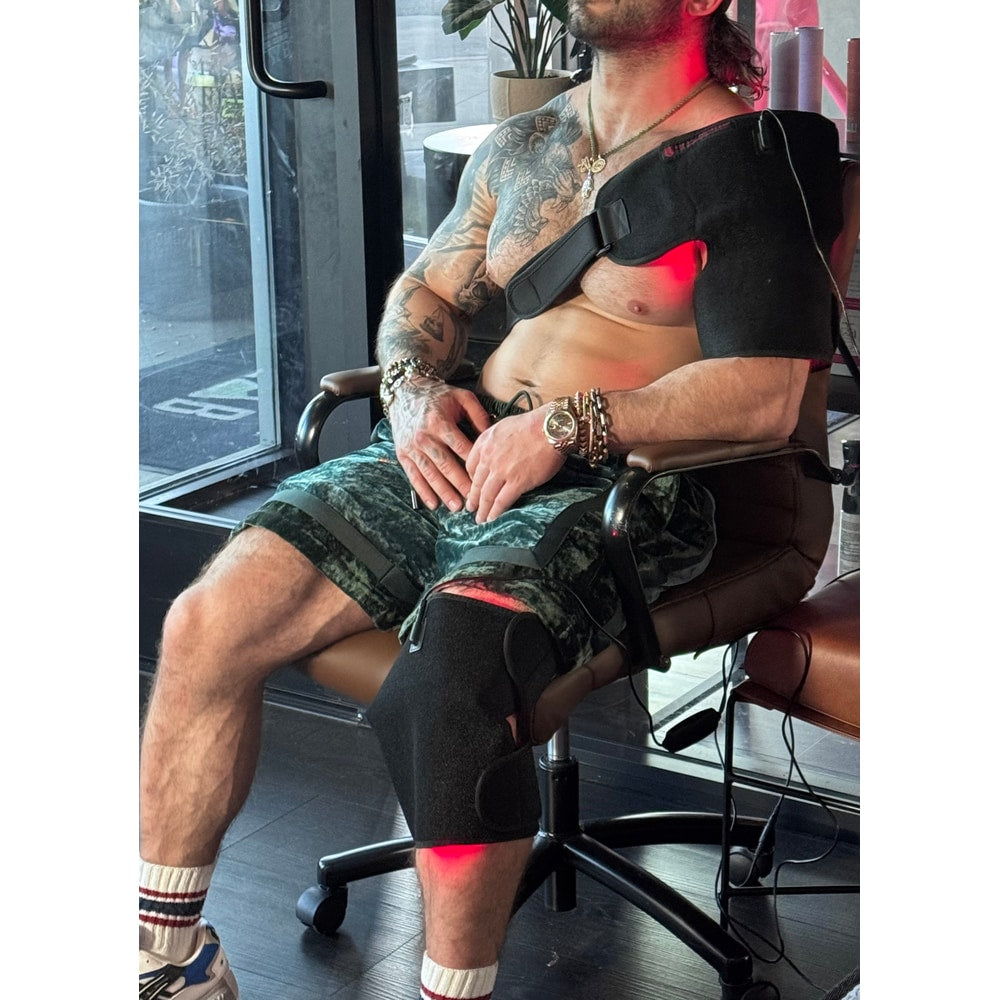
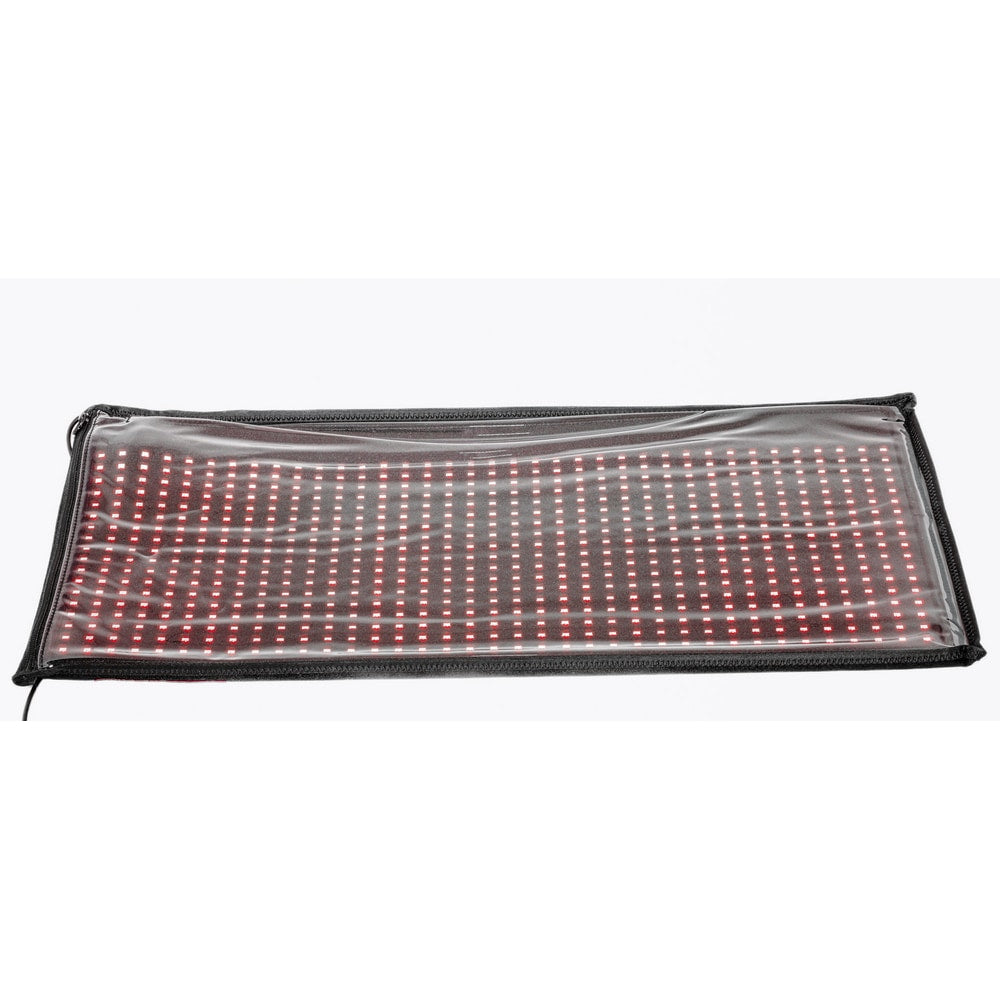
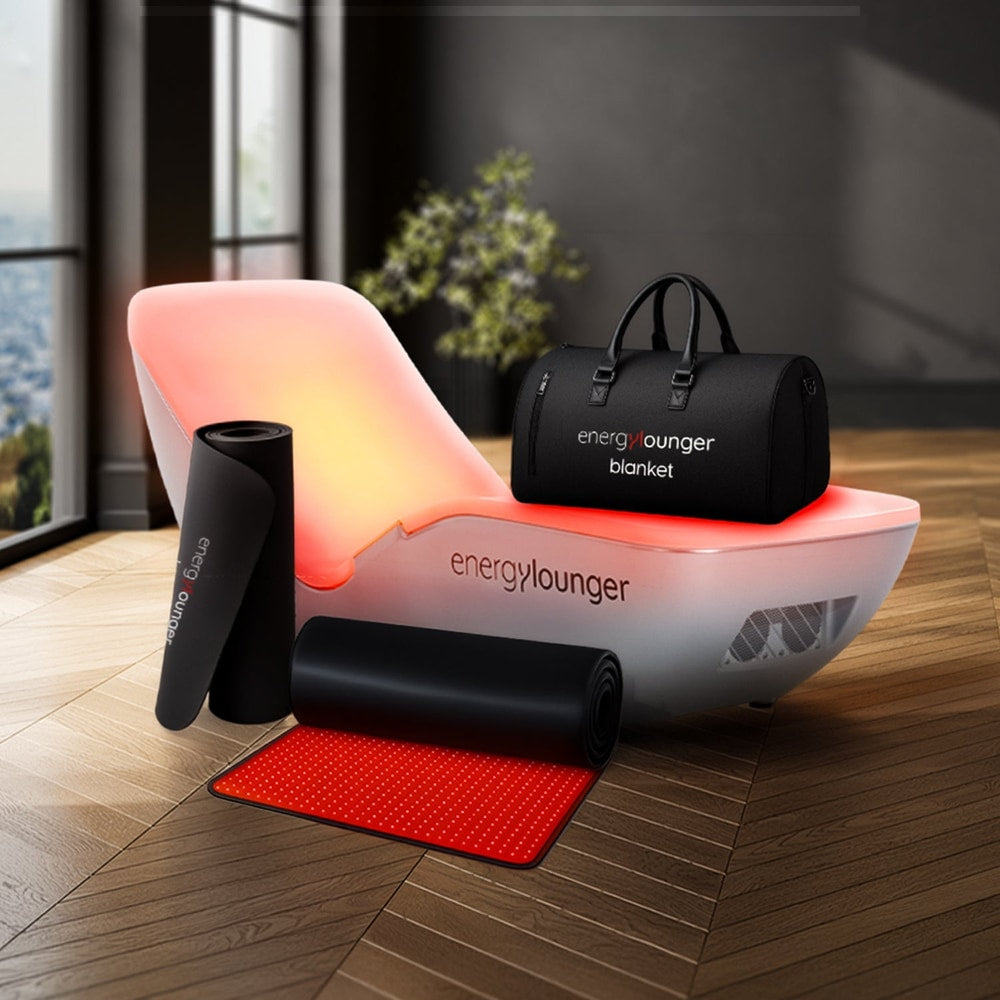
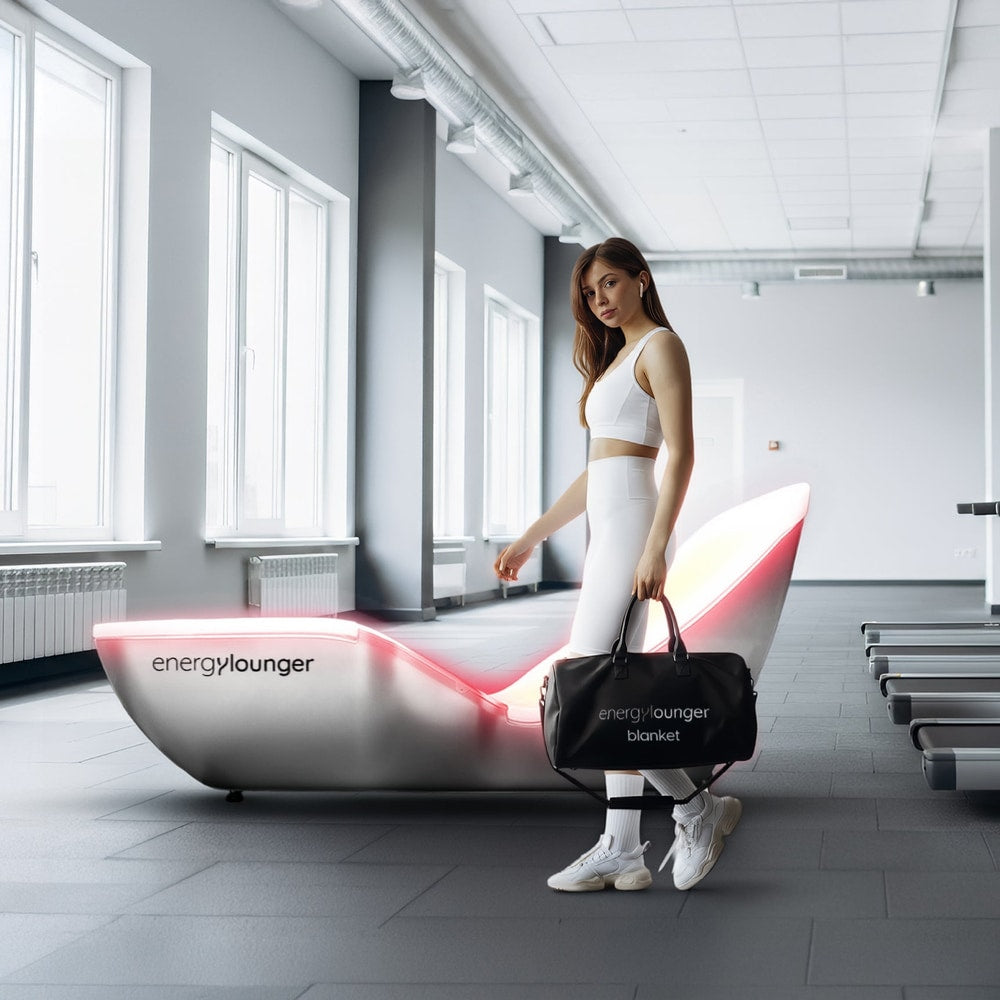
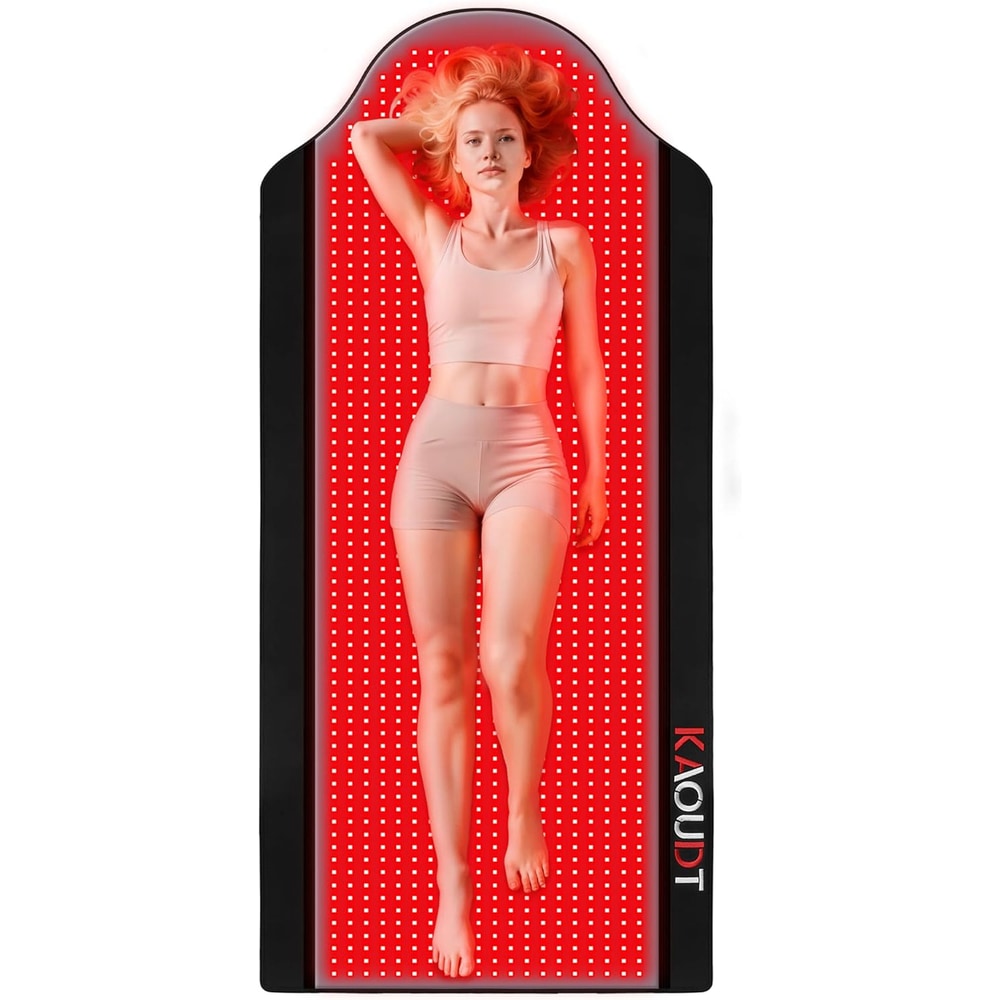
Red light therapy devices use red (around 660 nm) and near-infrared (around 850 nm) LEDs for at-home wellness routines. This collection includes flexible pads, face and body domes, and full-body systems from Red Light Pro Devices, EnergyLounger light therapy blankets and loungers, full-body LED panels and therapy mats, and an infrared and steam sauna combo.
How to Choose the Right Red Light Therapy Device
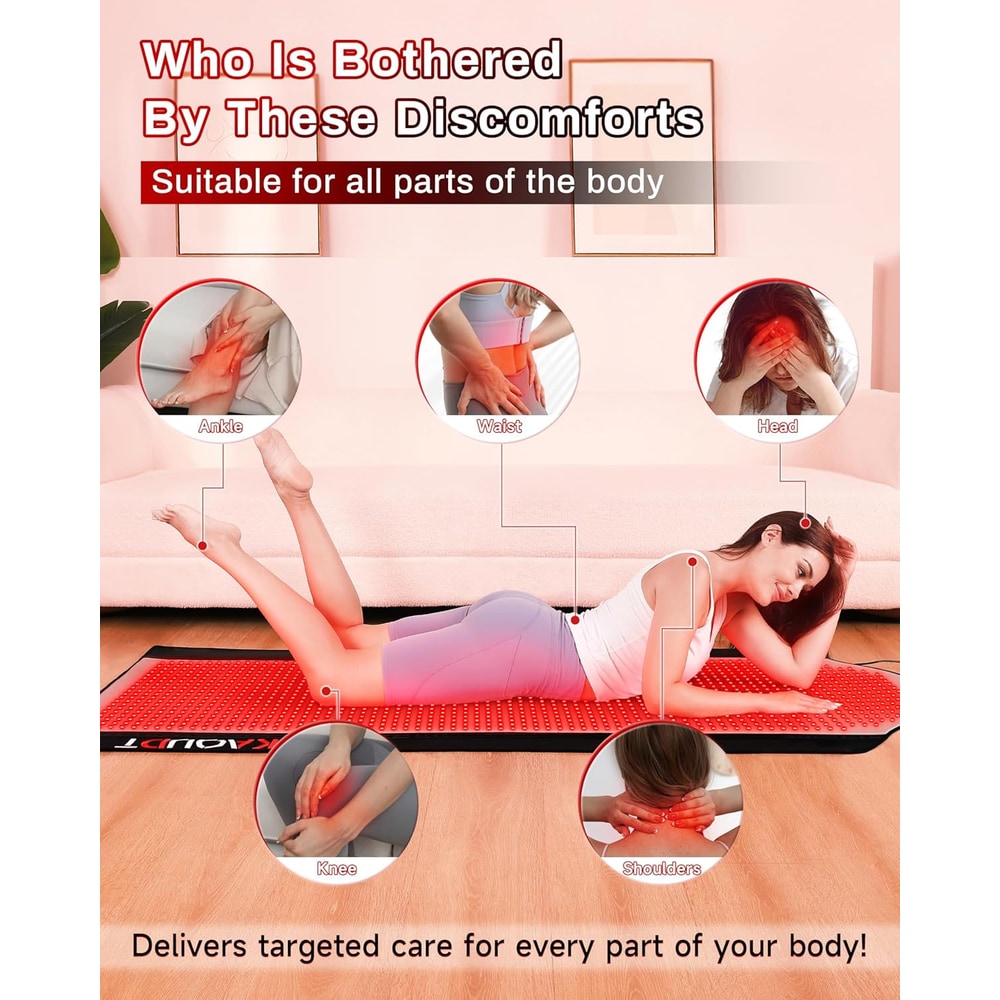
- Decide on coverage: small pads and domes target one area, while full-body panels, mats and loungers treat more of the body at once.
- Check wavelengths; most devices combine red (about 660 nm) and near-infrared (about 850 nm) light.
- Compare LED count and power, which affect how much area a session covers.
- Consider form factor: flexible pads and blankets wrap around the body, rigid panels need wall or stand space.
- Look for timers and multiple intensity levels for consistent sessions.
- Ask your doctor before use if you are pregnant, photosensitive or take light-sensitizing medication.
Red Light Therapy FAQs
What is the difference between red and near-infrared light?
Red light (about 630 to 660 nm) is visible and mainly reaches the skin surface; near-infrared (about 810 to 850 nm) is invisible and penetrates deeper.
How long is a typical red light therapy session?
Many manufacturers suggest about 10 to 20 minutes per area, a few times a week. Follow the instructions for your specific device.
Is red light therapy safe to use at home?
Consumer LED devices are generally considered low risk when used as directed. Protect your eyes and talk with a healthcare provider if you have a medical condition.
Should I choose a pad, panel or full-body device?
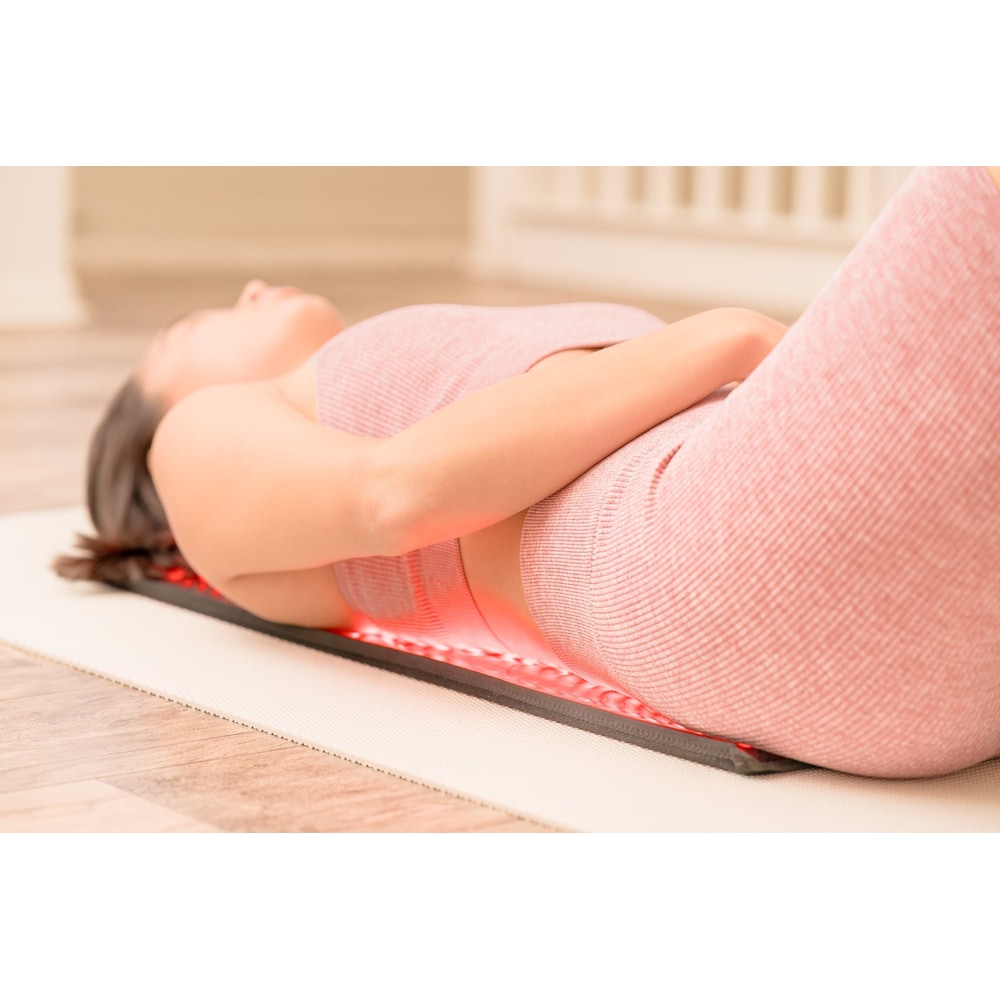
Pads and domes suit targeted areas, panels work well for routine use while standing, and blankets or loungers cover the whole body while lying down.