




Racing Gaming Chairs
Find Your Perfect Racing Cockpit
Compare our top Playseat racing simulators side by side to find the right fit for your setup, space, and racing style.


Price
$1,199.00
$2,499.00
Seating Position
GT / Rally
Open-wheel / F1®
Frame Material
Steel & aluminum
Premium steel
Foldable Design
Yes
No
Monitor Mount Ready
Yes
Yes
Adjustable Pedal Plate
Yes
Yes
Best For
Immersive GT racing
Pro F1® simulation
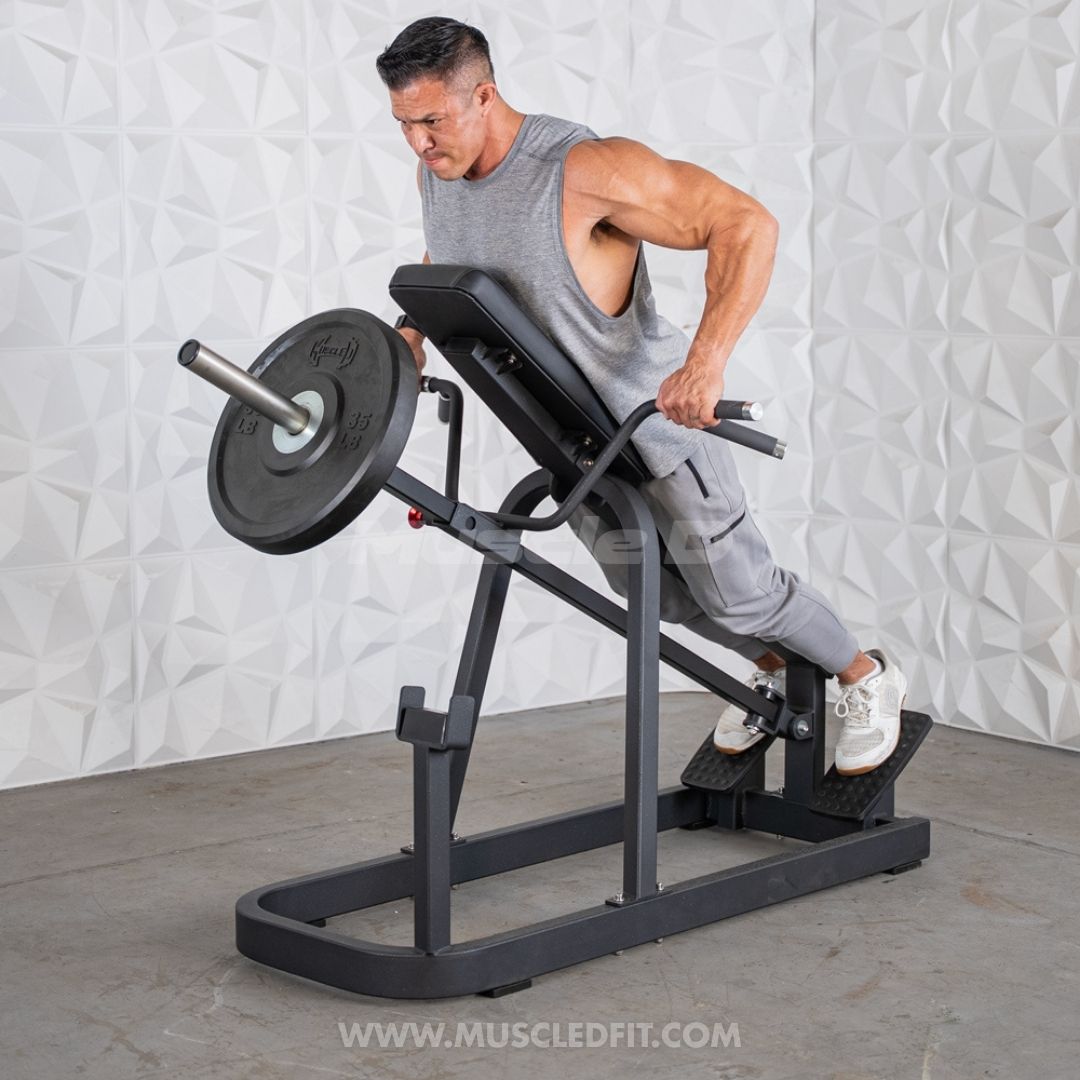
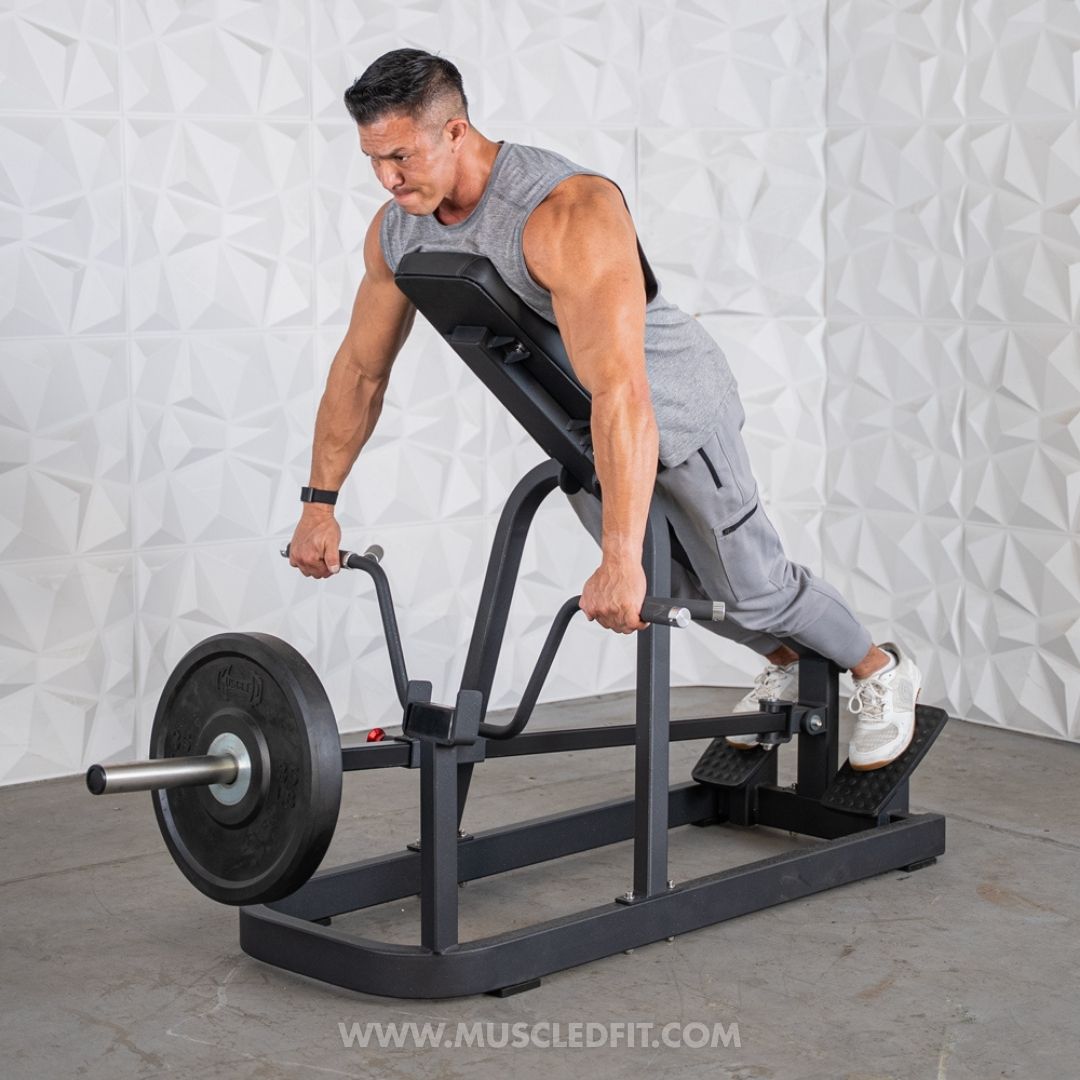
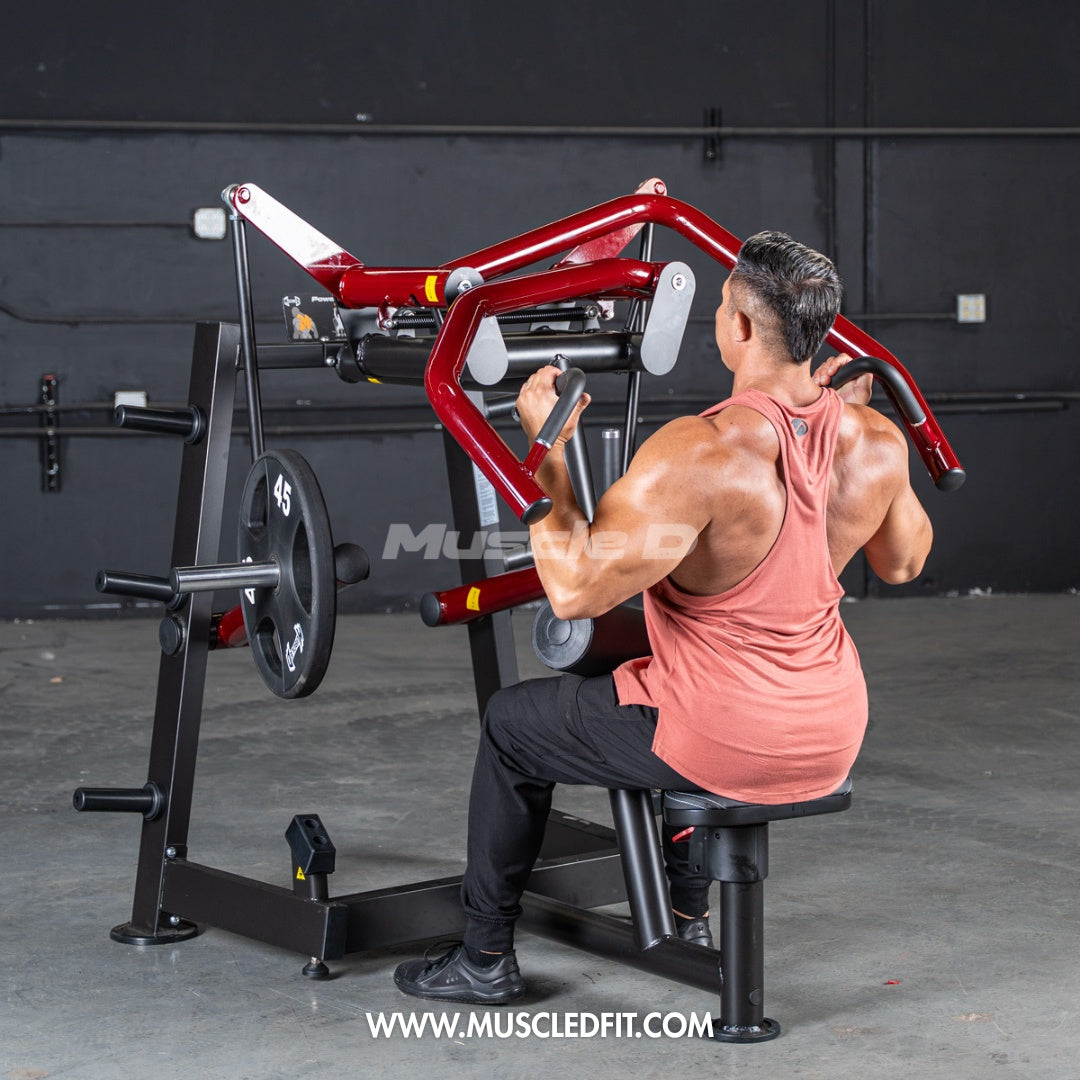
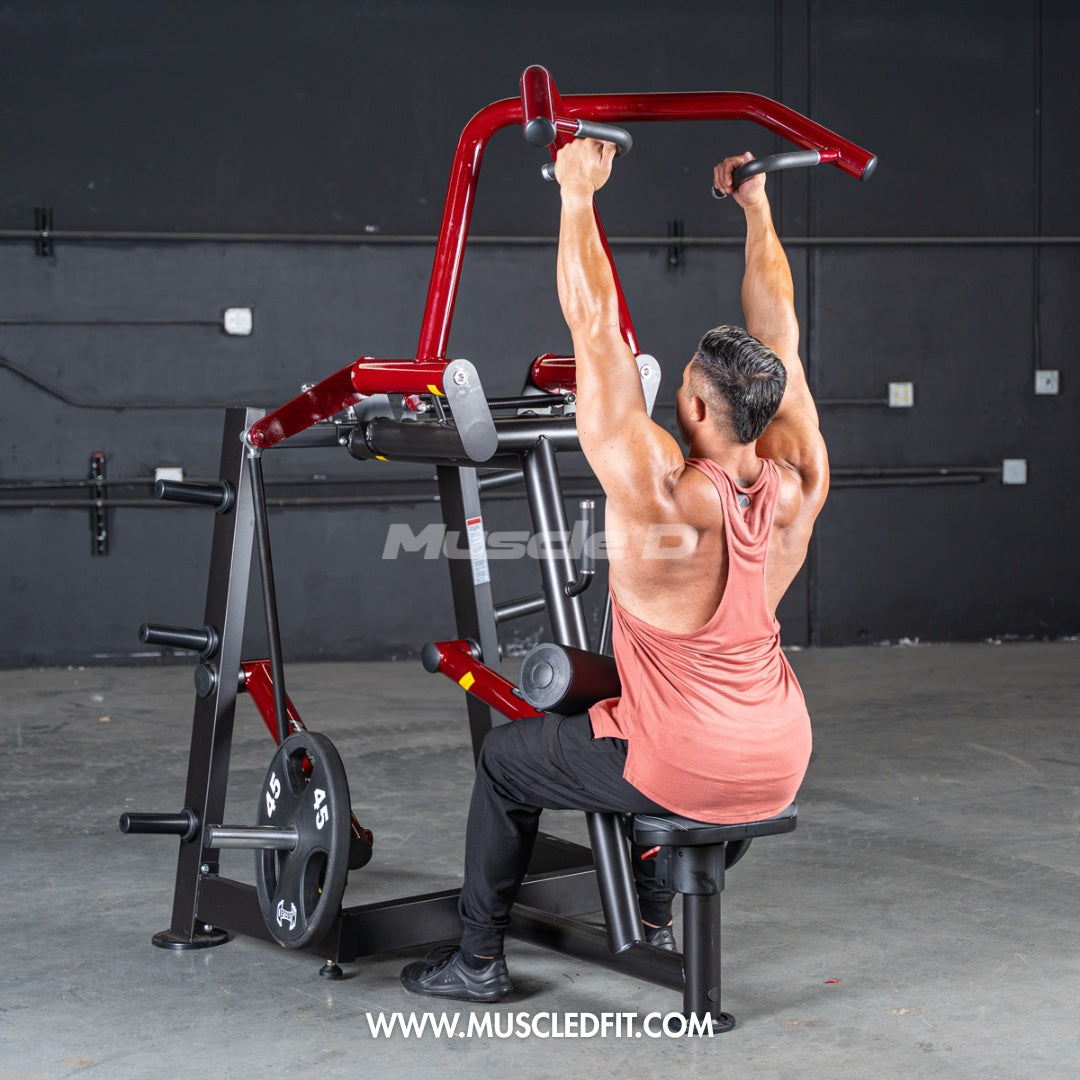
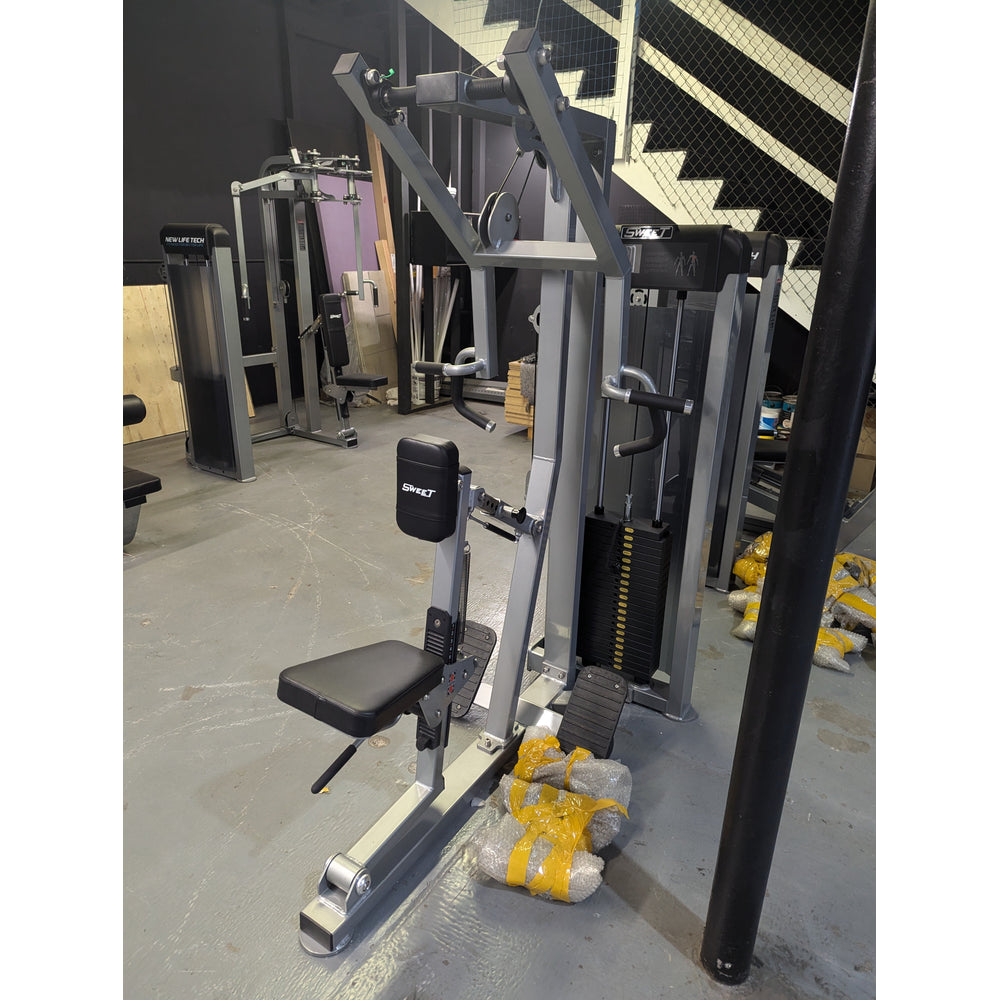
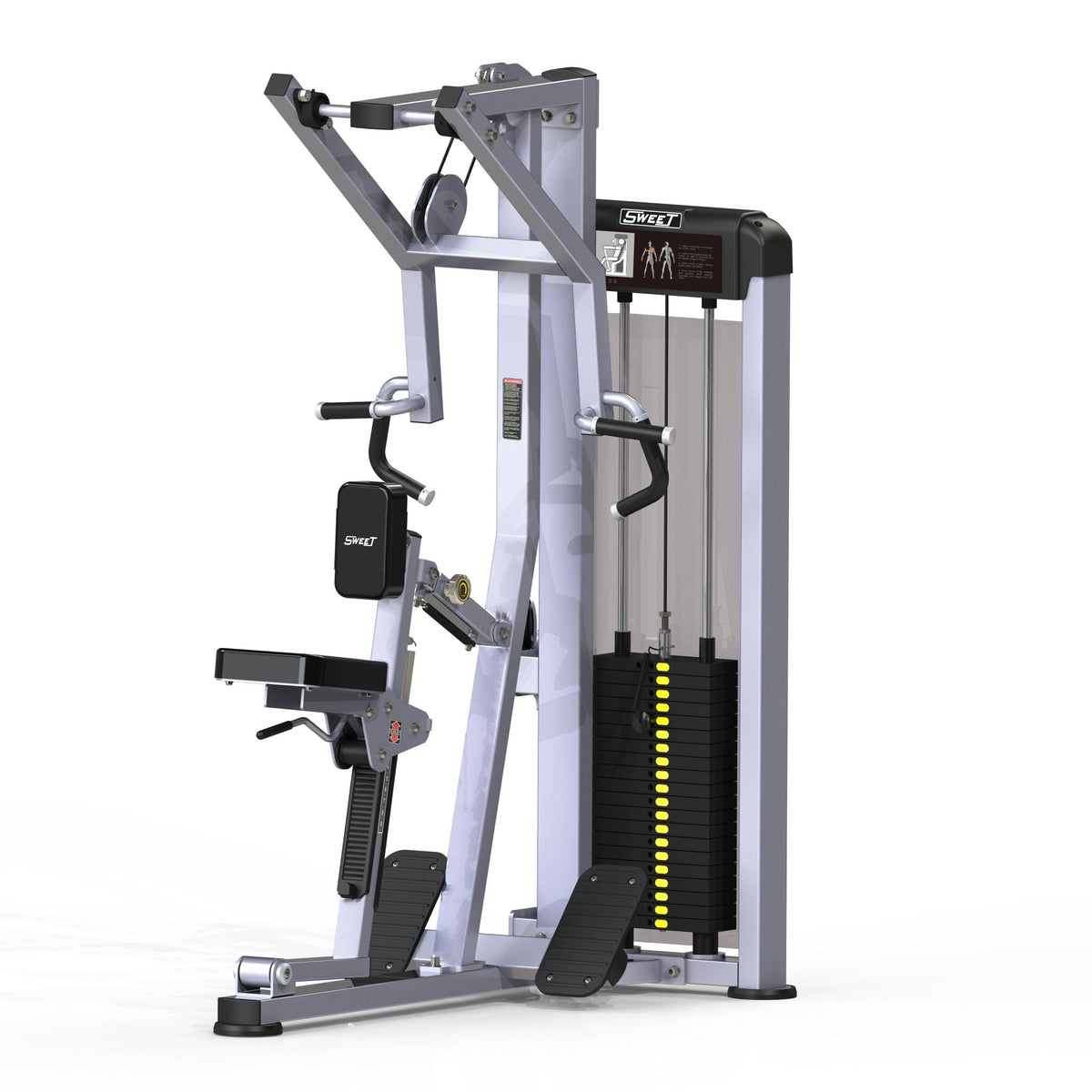
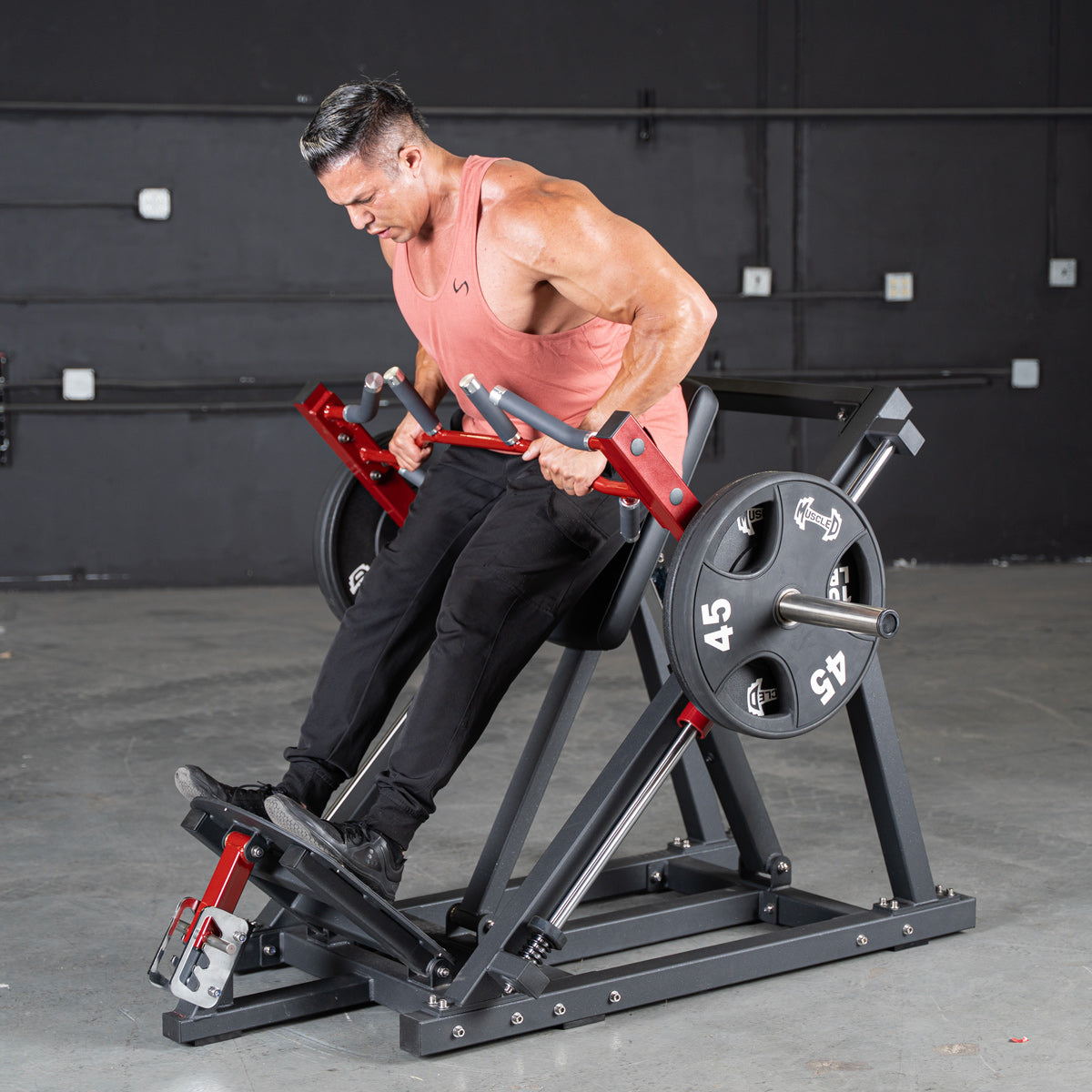
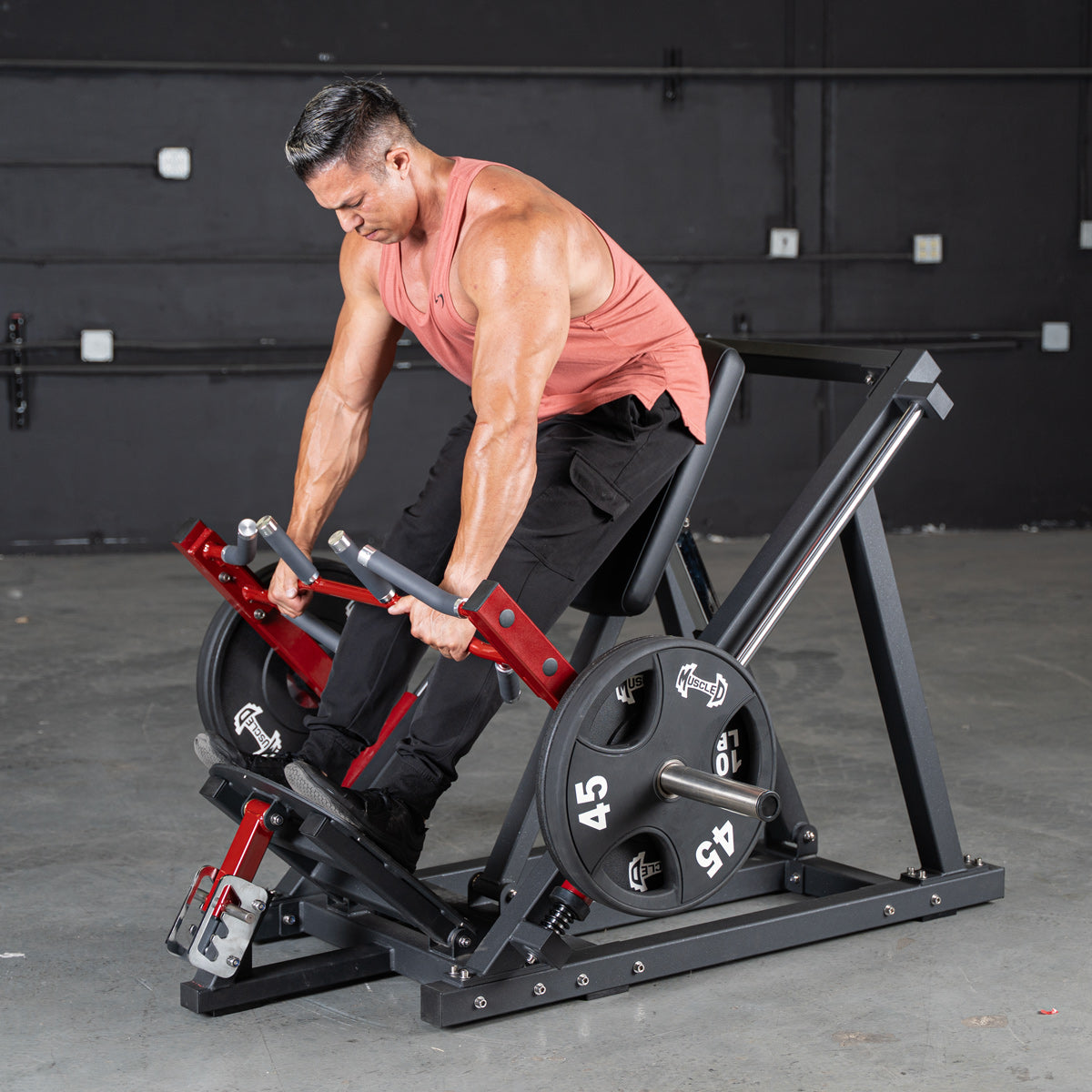
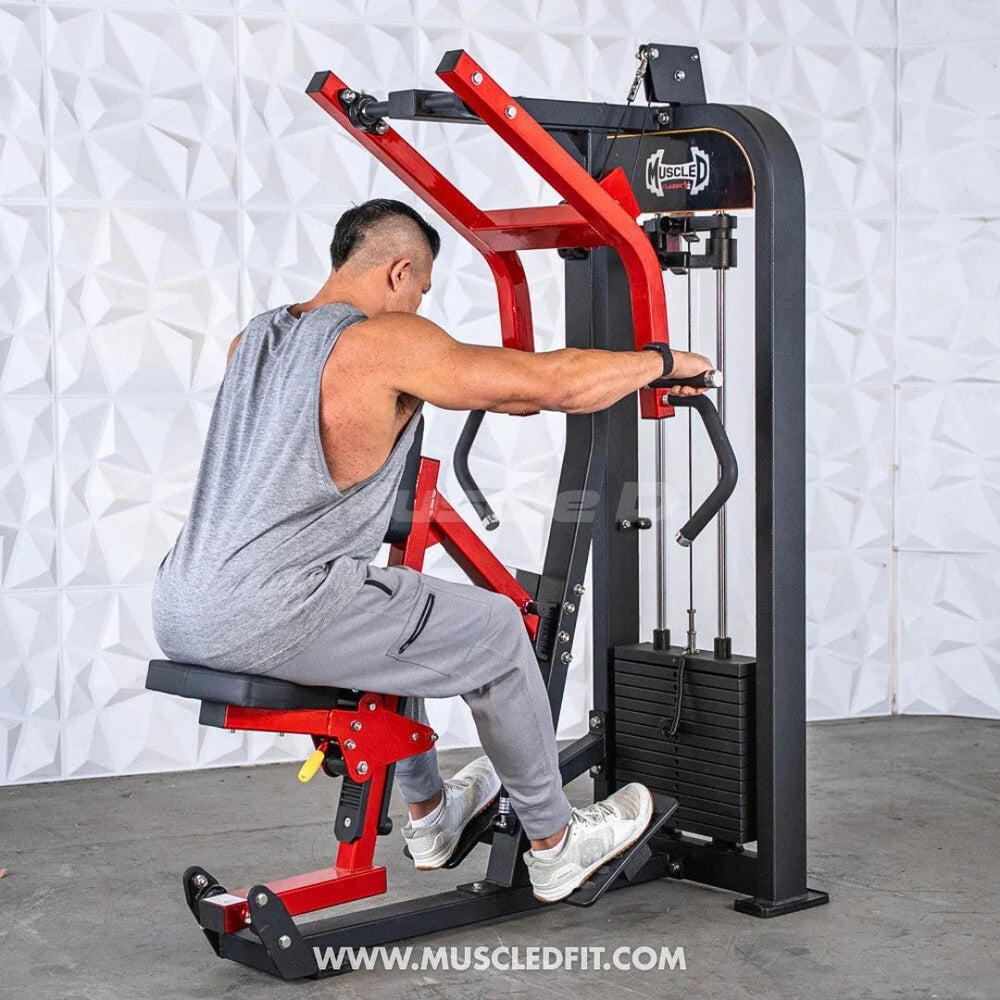
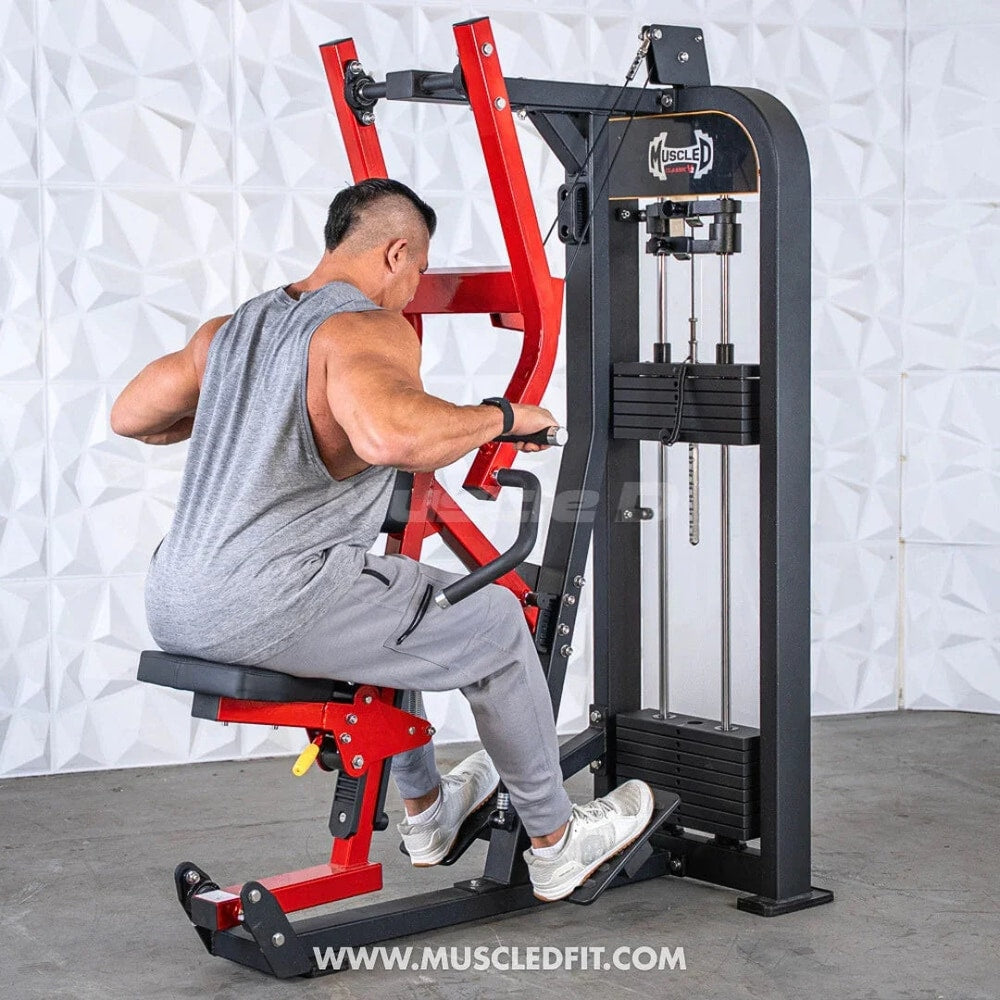
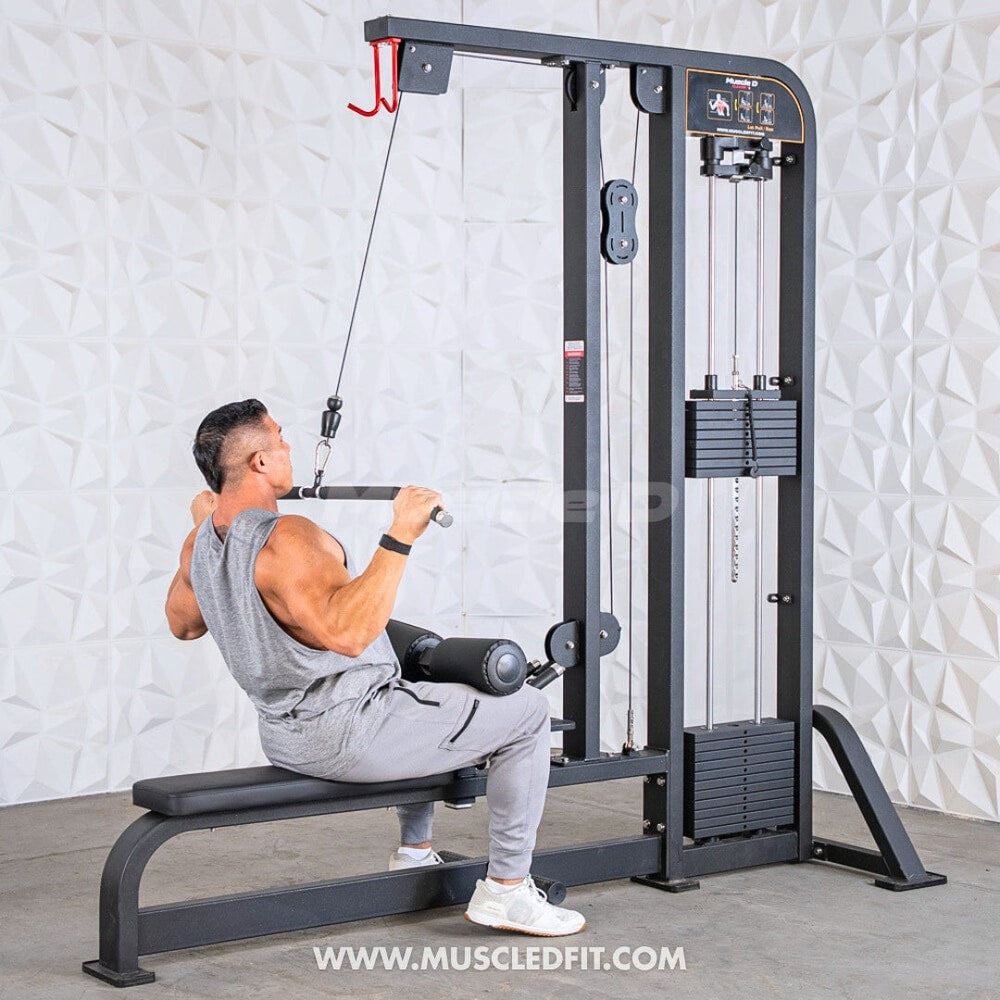
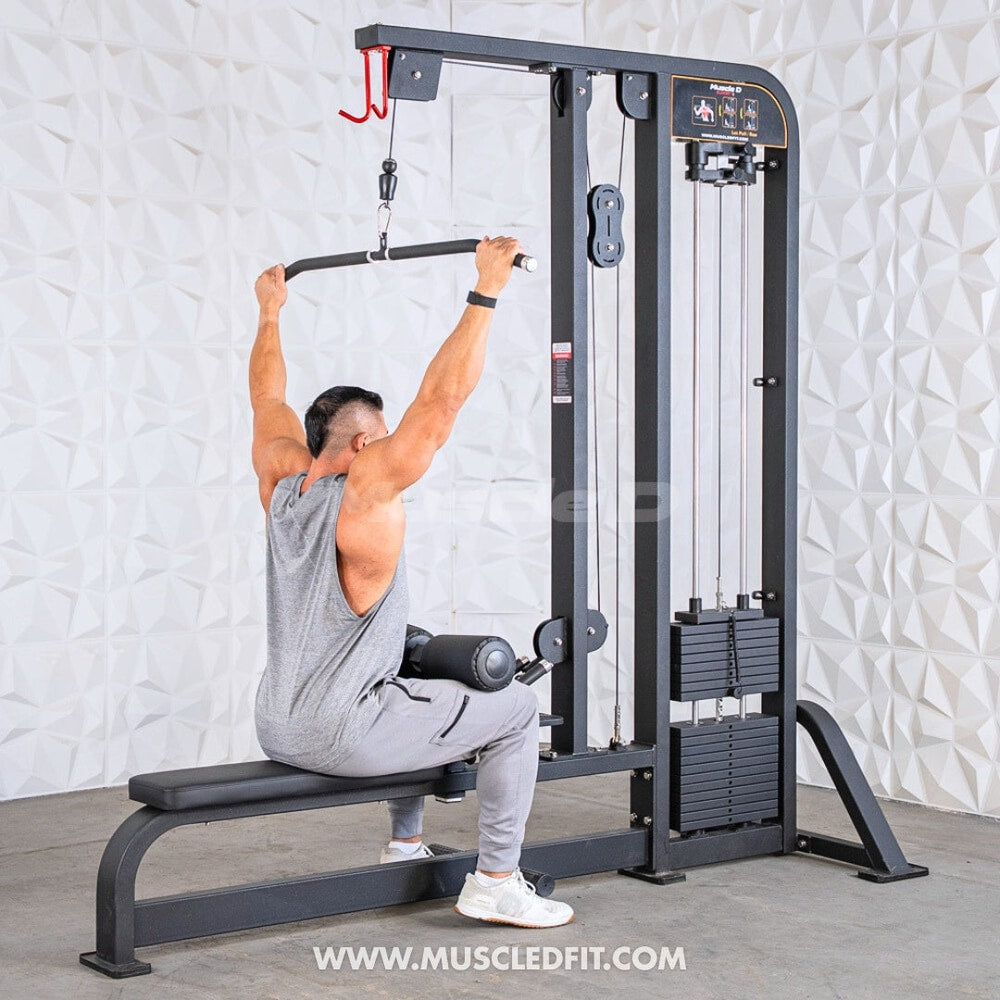
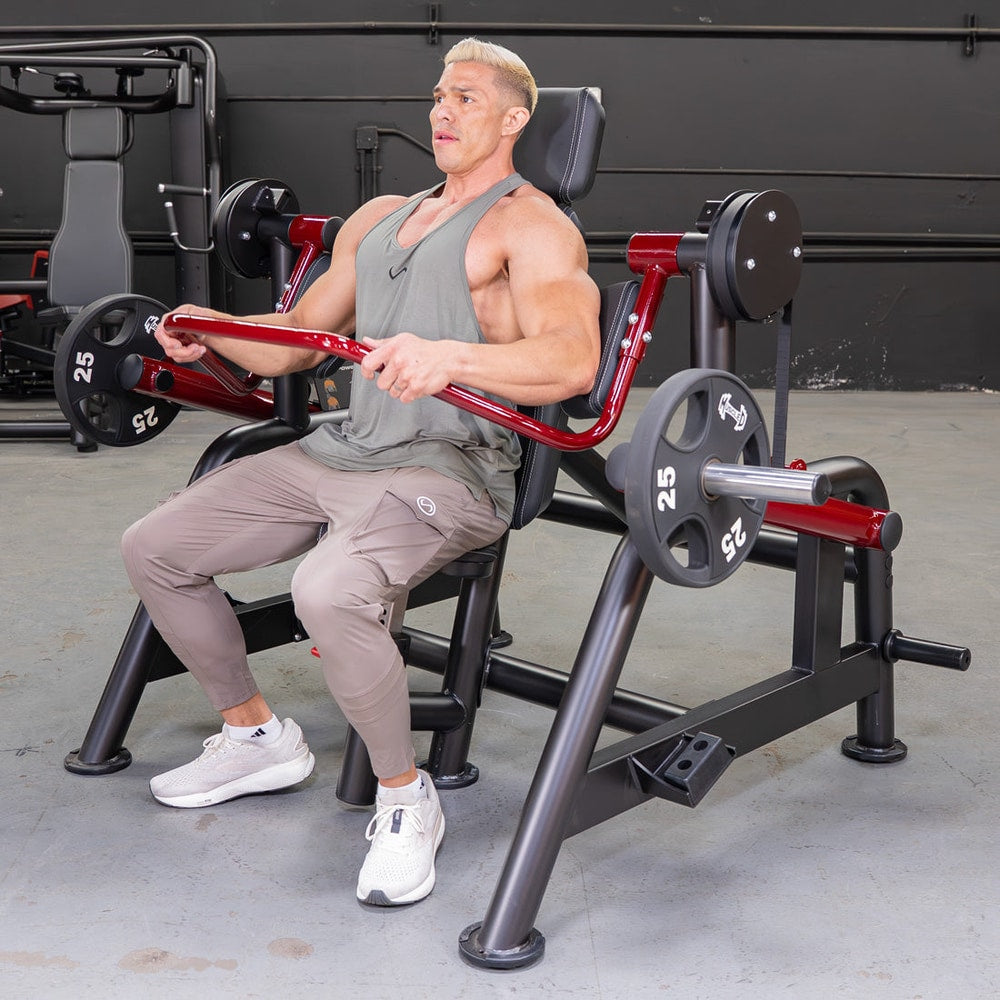
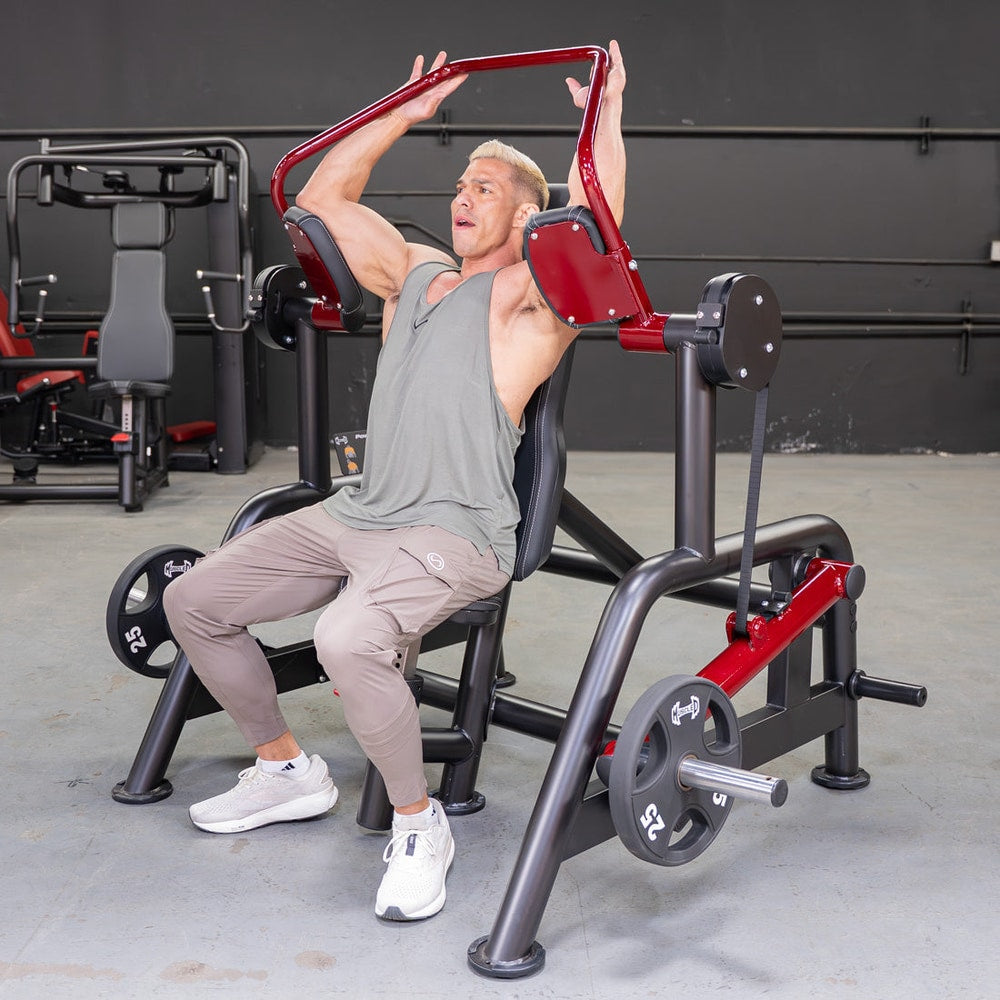
Back machines build the lats, rhomboids, traps and lower back with stable, guided movements for pulling strength and better posture. This collection includes commercial lat pulldowns, lat pulldown/low row combos, seated and chest-supported rows, T-bar and linear bearing rows, pullovers and deadlift/shrug machines from Muscle D Fitness and Sports & Fitness Exchange (SFE).
How to Choose the Right Back Machine
- Vertical or horizontal pull: lat pulldowns and pullovers train vertical pulling; seated, T-bar and chest-supported rows train horizontal pulling. A balanced gym has both.
- Combo units: a lat pulldown/low row combo covers both patterns in one footprint.
- Chest support: chest-supported rows reduce lower-back strain and isolate the upper back.
- Resistance type: selectorized stacks are quick to adjust; plate-loaded machines handle heavier loads.
- Grip options: multiple handles and grips let you vary width and emphasis.
- Ceiling height: check machine height, especially for lat pulldowns, before ordering.
Back Machine FAQs
What are the best machines for back training?
A lat pulldown and a row machine cover the two main pulling patterns. A T-bar row, pullover or deadlift machine adds variety and extra thickness work.
Is a lat pulldown a good substitute for pull-ups?
Yes. A lat pulldown trains the same muscles as a pull-up and lets you adjust the load, which makes it ideal for beginners and for higher-rep training.
Why choose a chest-supported row?
The chest pad stabilizes your torso so your lower back stays neutral, letting you focus on the lats and upper back without using momentum.
What does a deadlift or shrug machine do?
It lets you train hip-hinge and trap movements on a guided path, which can be easier to learn and safer when training alone than a barbell.