

Racing Gaming Chairs
Find Your Perfect Racing Cockpit
Compare our top Playseat racing simulators side by side to find the right fit for your setup, space, and racing style.


Price
$1,199.00
$2,499.00
Seating Position
GT / Rally
Open-wheel / F1®
Frame Material
Steel & aluminum
Premium steel
Foldable Design
Yes
No
Monitor Mount Ready
Yes
Yes
Adjustable Pedal Plate
Yes
Yes
Best For
Immersive GT racing
Pro F1® simulation
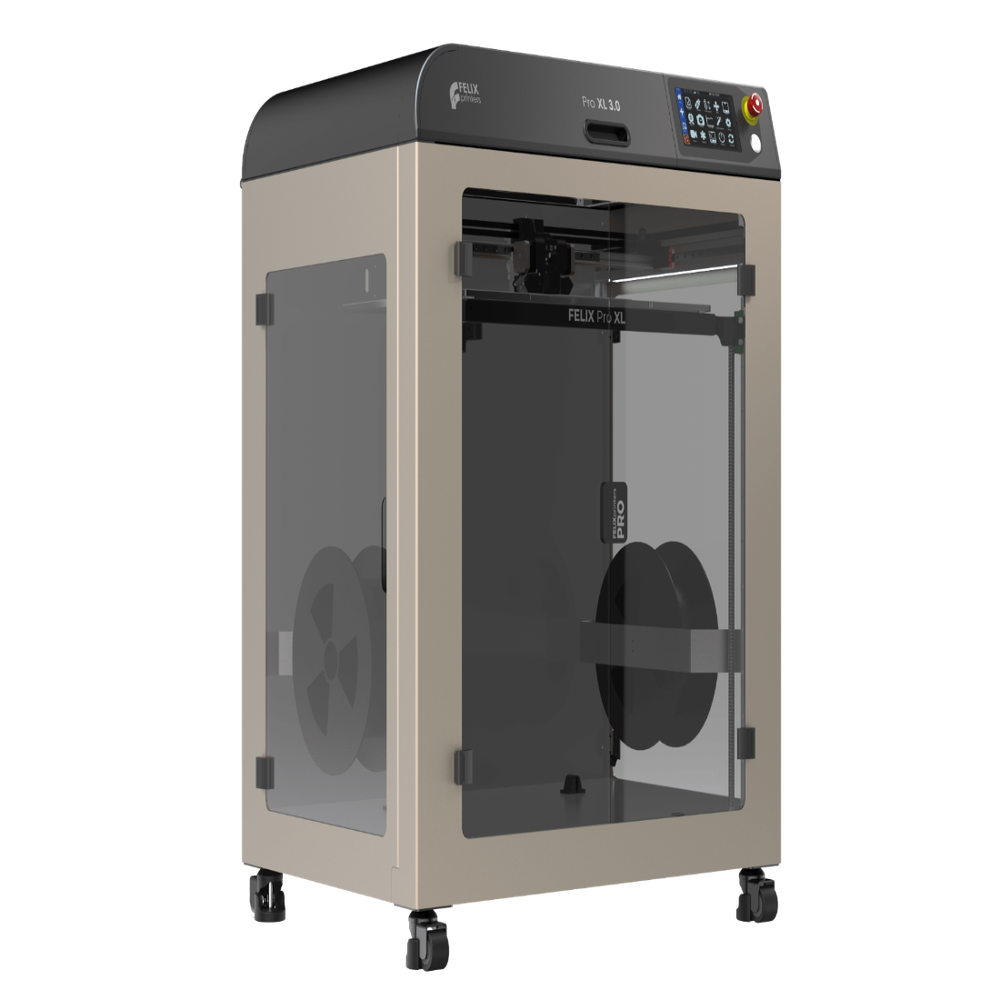
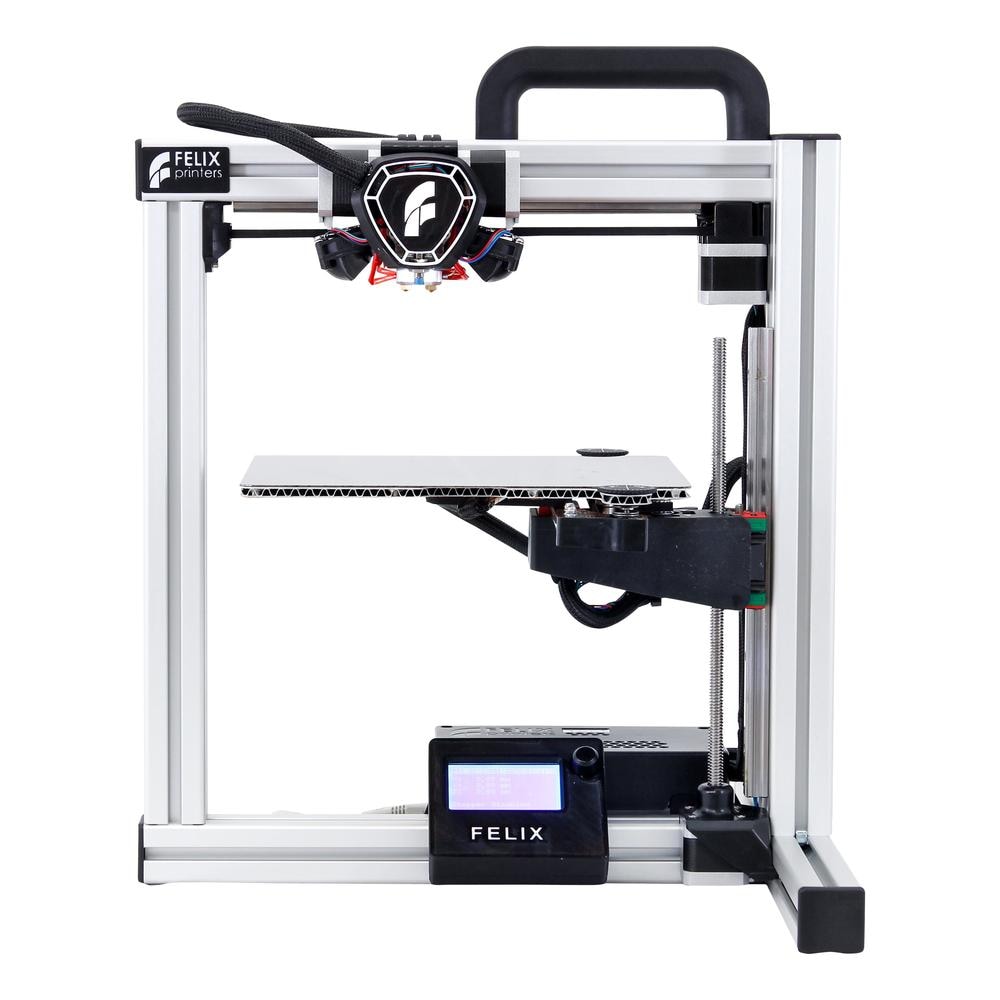
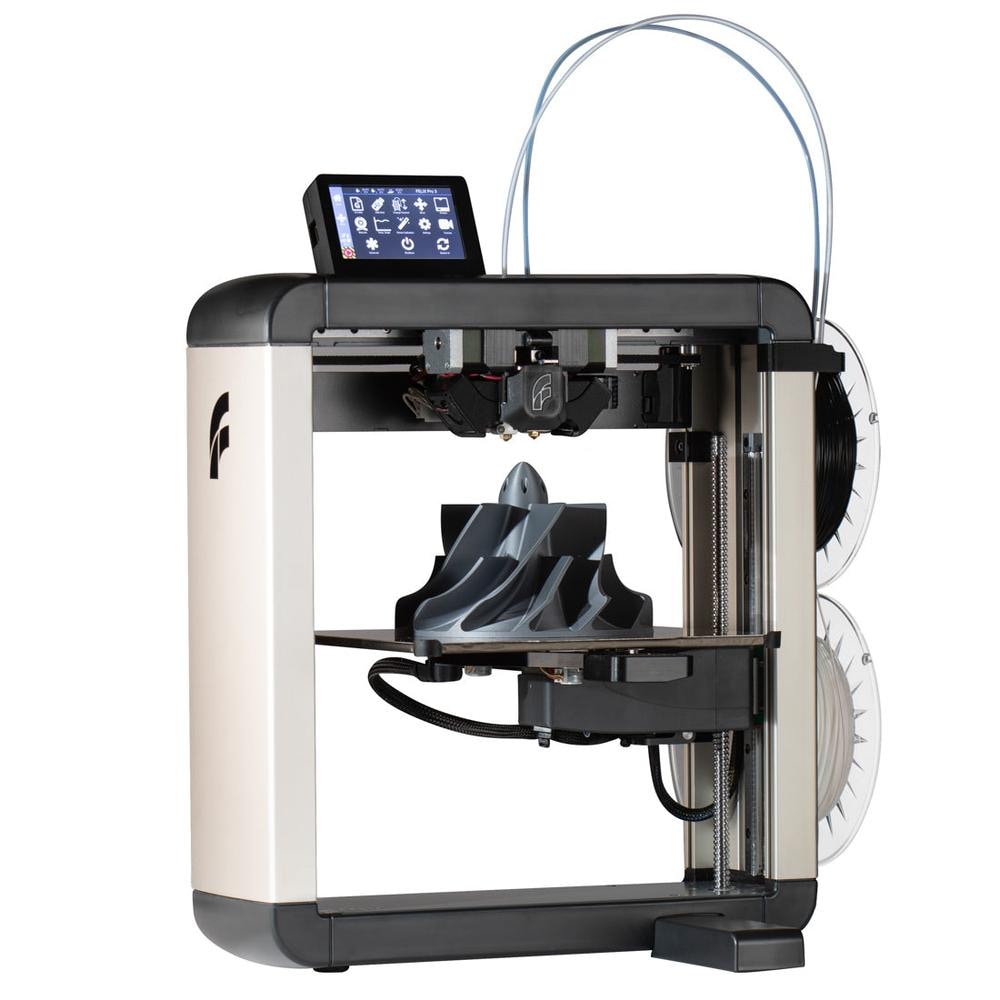
3D printers build physical parts layer by layer from digital models, used for prototyping, education, tooling and custom production. Our selection focuses on FELIXprinters, a Dutch maker of desktop and large-format FDM printers for professionals, schools and engineering teams. Options range from the Tec 4 desktop printer to the dual-head Pro 3 and the large-format Pro XL 3.0.
How to Choose the Right 3D Printers
- Match build volume to your largest part: desktop units like the Tec 4 offer about 255 x 205 x 225 mm, while the Pro XL 3.0 reaches 600 x 400 x 600 mm.
- Choose single or dual extrusion; dual heads let you print soluble supports or two materials in one job.
- Check which filaments you need, such as PLA, PETG, ABS or engineering materials, and confirm the hot-end temperature supports them.
- Look for auto calibration and bed leveling to reduce setup time and failed prints.
- Consider noise level, enclosure, WiFi and webcam monitoring if the printer will run in an office or classroom.
3D Printers FAQs
What is the difference between FDM and resin 3D printers?
FDM printers melt plastic filament and are suited to functional parts and larger builds; resin printers cure liquid resin with light for very fine detail on smaller parts. The FELIXprinters models here are FDM machines.
Why choose a dual-extruder 3D printer?
A second nozzle can print a different color, a flexible material, or a dissolvable support that leaves complex parts cleaner.
What build volume do I need?
Measure the largest single part you expect to print and add some margin. If you often split large models into pieces, a large-format printer can save assembly time.
Are professional 3D printers good for schools?
Yes. Educational models such as the FELIXprinters Tec 4 are designed for reliability and easy maintenance, which matters when many users share one machine.