Wellness Tech Trends Worth Bringing Home
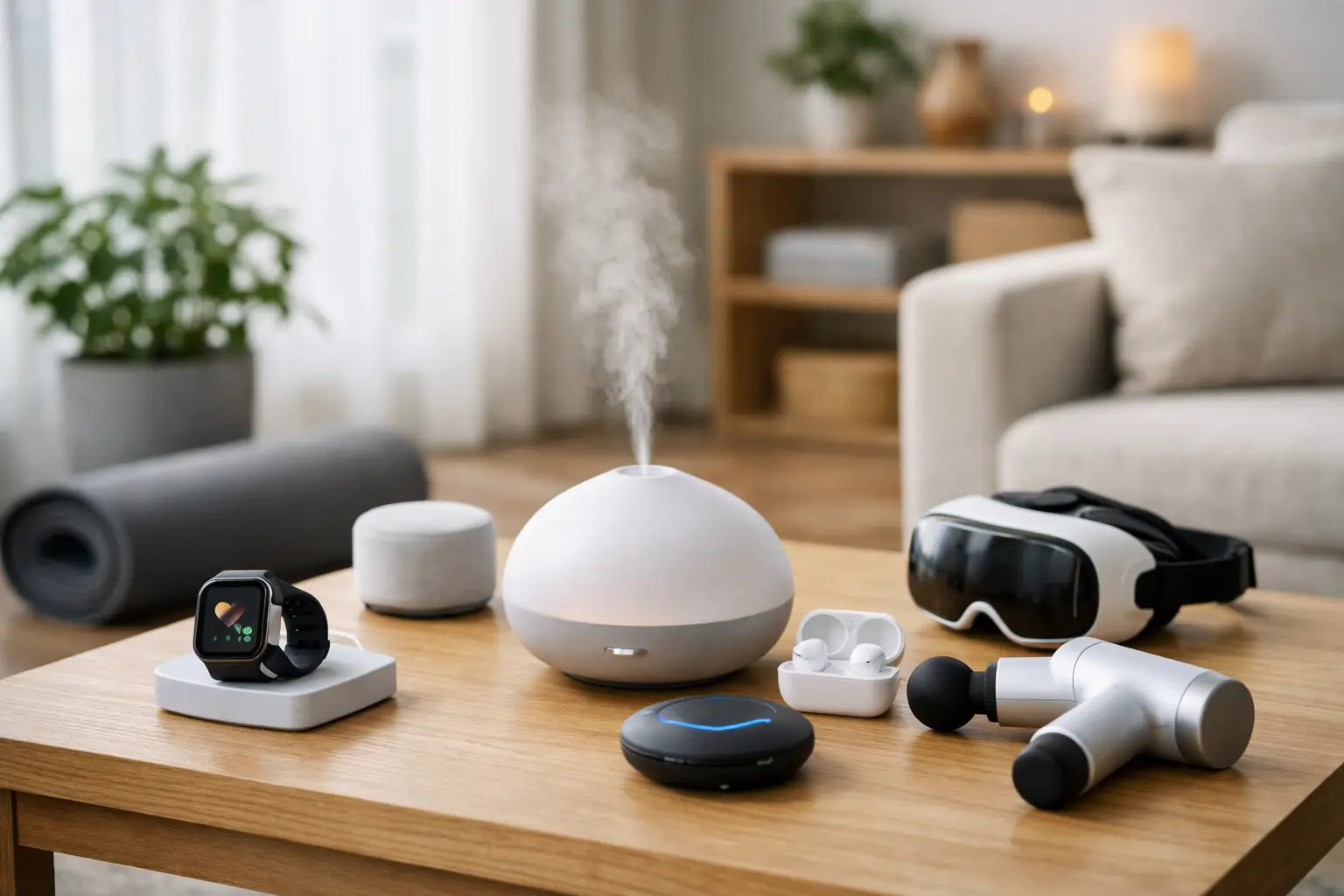
A premium home setup is no longer only about the fastest display, the cleanest racing rig, or the most capable creative workstation. Wellness tech trends are changing what “upgrading your space” means, bringing recovery, movement, comfort, and personal data into the same rooms where people work, play, and recharge.
The most exciting shift is not a single gadget. It is the move toward intentional, performance-minded environments. Homeowners are looking for technology that helps them feel better after a long workday, recover after training, stay mobile, sleep more consistently, and make downtime feel genuinely restorative.
Wellness Tech Trends Are Becoming Home Essentials
Wellness technology used to feel like something reserved for high-end spas, physical therapy clinics, or elite training facilities. Now, more people are investing in equipment that gives them greater control over their routines at home. That does not mean every device needs to look clinical or turn a living room into a lab. The strongest products blend into real life while delivering a focused benefit.
For tech enthusiasts, creators, gamers, and busy professionals, this matters because modern routines can be physically demanding. Hours at a desk, in a gaming chair, behind a camera, or in a workshop add up. So do intense workouts, long commutes, and the simple challenge of finding time for self-care. The right wellness setup can make recovery and comfort easier to prioritize instead of another item on the calendar.
Recovery is shifting from occasional to everyday
One of the clearest trends is the rise of at-home recovery equipment. Massage chairs, percussion tools, compression systems, and red light therapy devices are gaining traction because they make a familiar wellness ritual more accessible. Rather than booking an appointment or hoping for an open slot at a facility, users can build a short recovery session into the start or end of the day.
Massage and recovery chairs are especially compelling for households that want a high-impact upgrade. A well-designed chair can offer targeted massage programs, reclining positions, heat features, and a dedicated place to decompress. For someone who spends long hours editing video, working at a desk, or training hard, that dedicated reset zone can become one of the most-used pieces of furniture in the home.
The trade-off is space and budget. Full-size recovery furniture is a considered purchase, not an impulse buy. Before choosing one, measure the room, account for wall clearance and recline range, and think about who will use it most. A compact tool may be the smarter first step for a small apartment, while a feature-rich chair makes more sense in a media room, home gym, or finished basement built for long-term comfort.
Red light therapy is moving beyond the spa
Red light therapy is another category drawing attention from buyers who want a dedicated at-home wellness routine. Panels, beds, masks, and targeted devices vary widely in size, output, coverage area, and intended use. That variety is a strength, but it also means shoppers should avoid treating every product as interchangeable.
The best choice depends on how and where you plan to use it. A compact device may fit a focused routine and limited space, while a larger panel can be better suited for broader coverage in a home gym or recovery room. Consistency matters more than buying the largest option available. It is also wise to follow manufacturer guidance and speak with a qualified healthcare professional if you have medical conditions, take photosensitizing medications, or have questions about whether a treatment is appropriate for you.
Personalized Data, Without Letting Numbers Run the Day
Wearables and connected health platforms continue to make wellness more measurable. Sleep duration, resting heart rate, activity levels, stress indicators, workout recovery estimates, and daily movement goals can all provide useful signals. For people who enjoy optimizing performance, this data can reveal patterns that are easy to miss when life gets busy.
A late-night gaming session may correlate with shorter sleep. A demanding travel week may show up in lower activity and reduced recovery. A new walking routine may reveal steady gains over several months. Used thoughtfully, those insights can turn vague intentions into practical adjustments.
Still, more data is not always better data. Consumer wellness metrics are helpful reference points, not medical diagnoses. Accuracy can vary by device and activity, and an overemphasis on scores can create unnecessary pressure. The goal is not to chase a perfect dashboard. It is to use the information to make better choices about rest, movement, training, and routines.
For many people, the most valuable wellness tech is the technology they will actually use consistently. That may be a sophisticated wearable with detailed metrics, or it may be a simple smart reminder that encourages a stretch break between meetings.
Mobility and Comfort Are Part of Performance
Wellness is increasingly tied to mobility, independence, and friction-free movement. That is why mobility scooters, e-bikes, and ergonomic home equipment belong in the wider wellness conversation. They support a different but equally important outcome: making it easier to get where you want to go and keep participating in the activities you enjoy.
An e-bike can help someone add more fresh-air movement to a routine without making every ride an all-out workout. It may be ideal for commuting, neighborhood errands, or longer recreational rides where pedal assistance keeps the experience approachable. Range, terrain, rider comfort, storage, local rules, and service needs should guide the purchase more than top speed alone.
Mobility scooters can provide practical confidence for users who need support getting around larger homes, communities, parks, or local destinations. The right model depends on intended terrain, transport requirements, weight capacity, turning radius, and battery range. Here, thoughtful product selection is more valuable than chasing a long feature list. A scooter that fits the user’s everyday environment is the one that can truly expand freedom.
Comfort also extends to the spaces where people spend their time. Gaming chairs, adjustable seating, and thoughtfully designed workstations may not be marketed as wellness products first, but their role is real. Proper fit, posture support, armrest adjustment, and movement breaks can make a major difference during long sessions. No chair replaces regular movement, yet a poorly fitted chair can make an already sedentary day feel much worse.
The Home Wellness Room Is Replacing the One-Use Gym
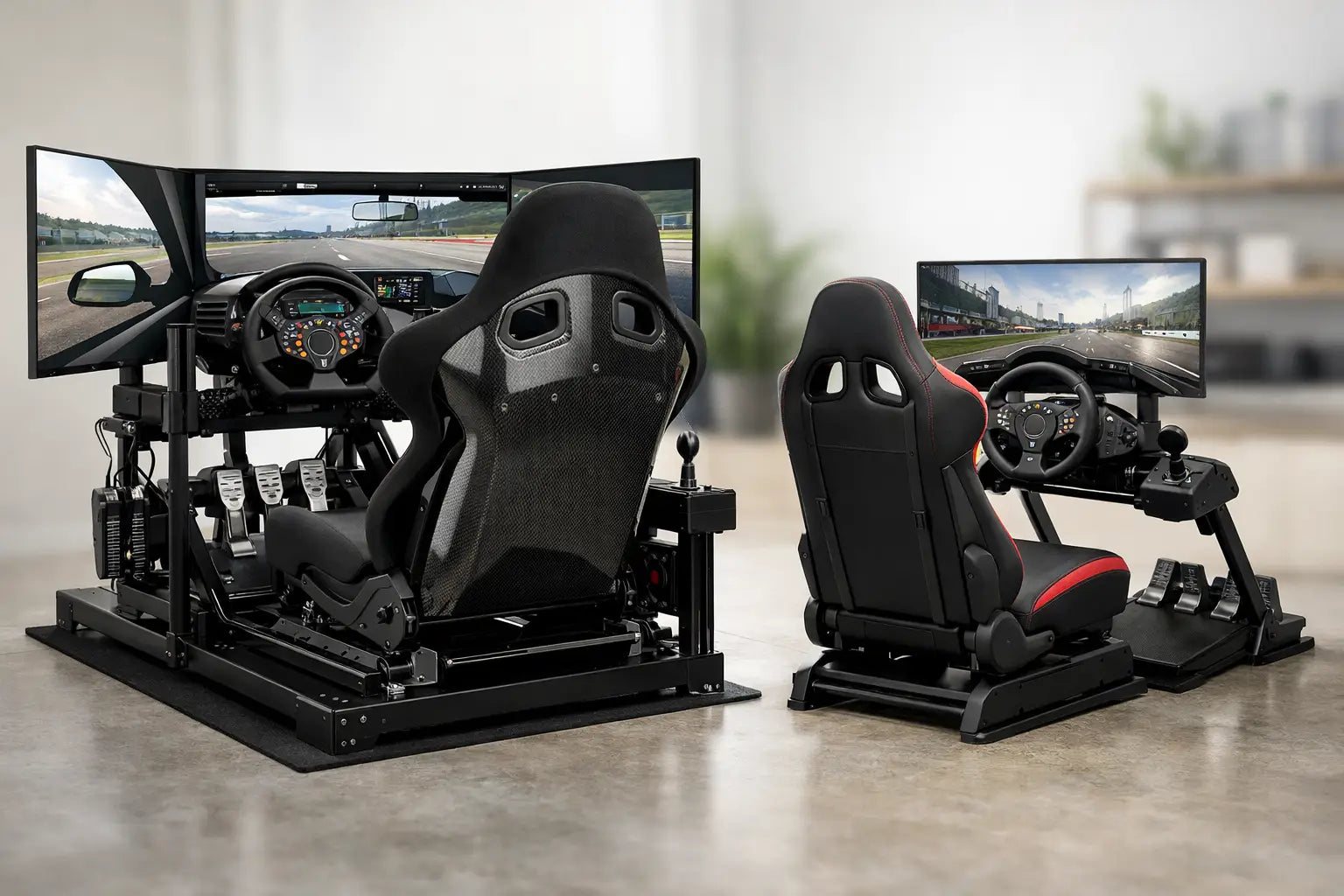
The future-focused home is becoming more flexible. Instead of a room dedicated to one activity, buyers are creating multipurpose spaces that support training, recovery, entertainment, and creative work. A garage corner might include an e-bike, recovery tools, and storage for outdoor equipment. A finished basement might pair a racing simulator and arcade setup with a massage chair and red light therapy area.
This is where wellness technology becomes especially appealing for enthusiasts. It does not ask you to abandon your hobbies. It helps you build a home environment that supports the energy and recovery needed to enjoy them more fully.
Start by identifying the friction in your current routine. If you skip workouts because outdoor rides feel intimidating, an e-bike may be the answer. If you finish every workday with tight shoulders, recovery furniture or a better seating setup may earn its place. If you want more intentional downtime, a dedicated light therapy or relaxation space can help create a ritual that feels easy to repeat.
How to Choose Wellness Technology That Lasts
Premium wellness equipment should earn its footprint. Look beyond trend-driven claims and focus on build quality, ease of use, warranty coverage, power requirements, and the practical demands of installation. A powerful device that is difficult to access, store, or operate may end up collecting dust.
It also pays to think in systems rather than single products. A recovery chair works best when there is room to use it comfortably. An e-bike is more useful when you have a secure place to charge and store it. A red light therapy device is easier to use consistently when it has a permanent, convenient location. Designing around the habit is often smarter than buying first and solving logistics later.
Privacy deserves attention, too. Connected products may collect sensitive wellness and activity data. Review app permissions, account settings, and data-sharing policies before connecting a device to your broader smart-home ecosystem. Convenience is valuable, but it should not come at the cost of control over personal information.
The best wellness technology does not promise a shortcut to perfect health. It gives you a more capable space for the habits that already matter: sleeping well, moving more, recovering with intention, and making room for the activities that keep you motivated. At Your Tech Haven, that is the real opportunity behind future-ready wellness gear - building a home that performs as hard as you do.