Massage Chair for Recovery at Home Guide
That stiff, heavy feeling after a workout, a long gaming session, or a full day at a desk usually does not need more guesswork - it needs a smarter recovery setup. A massage chair for recovery at home can turn one corner of your space into a daily reset zone, giving you faster access to relief without booking appointments or relying on a foam roller every time your back tightens up.
For a lot of buyers, the appeal is not just comfort. It is consistency. When recovery tools live in your home, they actually get used. That matters whether you are trying to stay loose between lifts, reduce tension after work, or build a better wind-down routine that supports sleep, mobility, and focus.
Why a massage chair for recovery at home makes sense
The biggest advantage is simple: convenience changes behavior. A recovery tool you can use for 15 minutes between meetings or after a training session is much easier to stick with than something that requires travel, scheduling, or extra setup. For busy professionals, dedicated gamers, and anyone building a high-performance home environment, that ease of use is a serious upgrade.
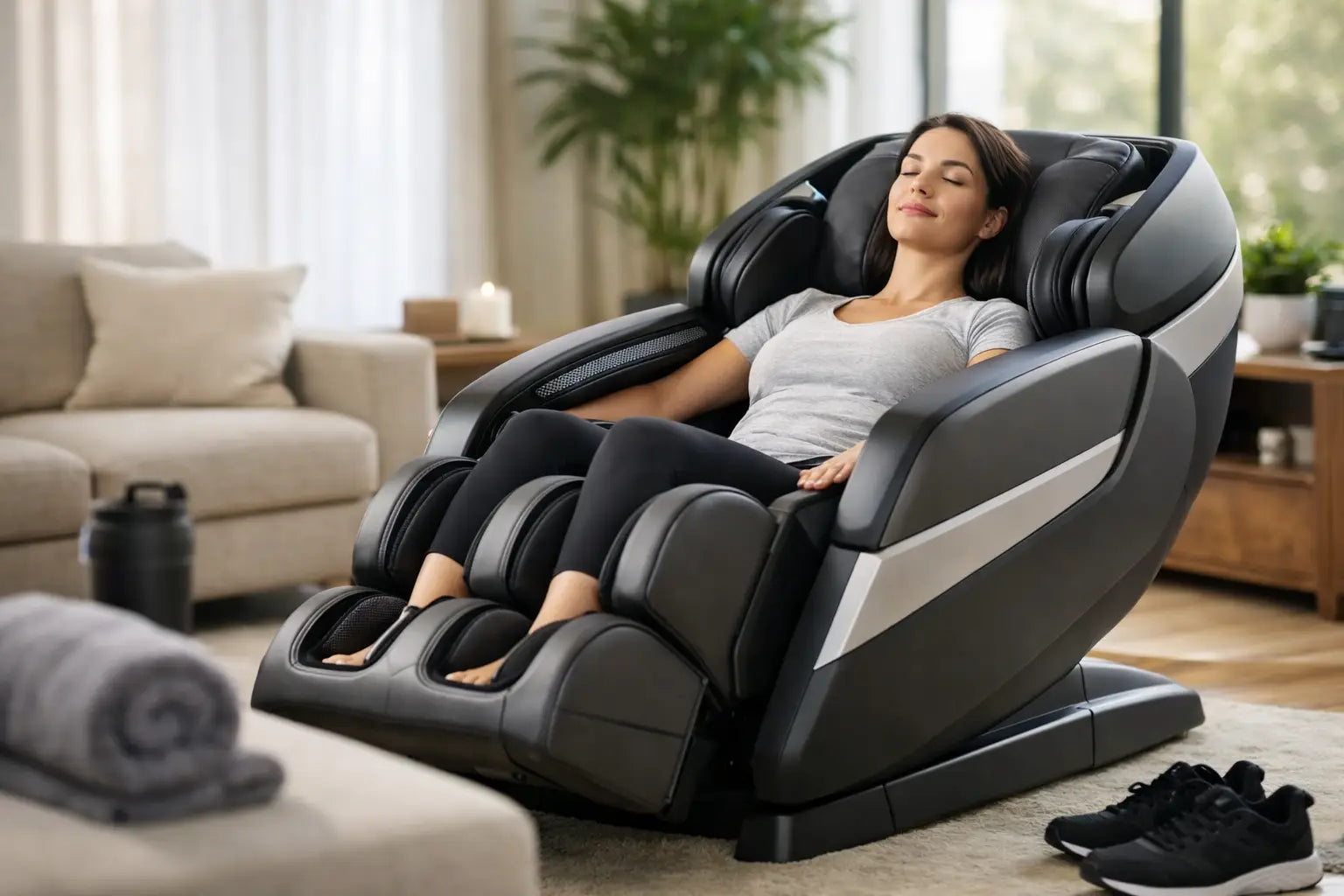
There is also the experience factor. Modern massage chairs are far beyond basic vibration pads or one-speed recliners. Premium models can combine rolling massage, air compression, body scanning, heat, and multiple programs designed to target the neck, shoulders, back, hips, and legs. The result feels closer to a guided recovery session than a piece of furniture with a few moving parts.
That said, results depend on expectations. A massage chair is not a substitute for medical care, physical therapy, or strength and mobility work. It is better understood as a support system - one that can help reduce daily muscle tension, encourage circulation, and make recovery routines easier to maintain.
What recovery actually means in this context
Recovery is not just for athletes. It applies to anyone whose body absorbs repetitive stress. That includes runners and lifters, but also remote workers, creators at editing stations, and sim racers or gamers spending hours in one position. In all of those cases, muscles can get tight, posture can slip, and small discomforts can build into bigger ones.
A massage chair helps by creating regular moments of decompression. The rollers can work through the upper and lower back, air cells can apply rhythmic pressure to the arms and calves, and heat can help loosen areas that feel locked up. For some users, the biggest win is physical relief. For others, it is switching the nervous system out of high alert at the end of the day.
This is why the best chair for one person may not be the best for another. If your main issue is lower back fatigue from desk work, you may care most about lumbar coverage and heat. If you train hard, calf massage, hip compression, and stronger intensity settings may matter more. Recovery is personal, so your chair should match the kind of stress your body actually deals with.
How to choose a massage chair for recovery at home
Start with fit. This sounds basic, but it is one of the most overlooked details. A chair can have excellent features on paper and still feel wrong if the shoulder position, leg rest length, or roller track does not suit your body. Good body scanning helps, but it does not fix a chair that is simply too small or too large for the user.
Next, look at the massage track. An S-track tends to follow the spine more closely and can feel focused through the back. An L-track extends farther down toward the glutes and hamstrings, which is especially useful if your recovery needs go beyond the shoulders and upper back. For many home users, an L-track chair offers a more complete full-body experience.
Intensity matters too. Some people want a gentler, relaxing session. Others want deep pressure that feels closer to hands-on bodywork. More intensity is not always better. If a chair is too aggressive, you may avoid using it. The smart move is to look for adjustable intensity, speed, width, and program options so the chair can adapt to different recovery days.
Heat is one of those features that sounds optional until you have it. For many users, targeted heat in the lower back or seat area makes the massage more effective and more comfortable. It can be especially appealing after long periods of sitting or during colder months when muscles tend to stay tight.
Air compression is another feature worth paying attention to. It does not replace the rollers - it expands the experience. Compression in the shoulders, arms, hips, calves, and feet can create a more balanced recovery session, especially if your lower body takes a beating from training or long days on your feet.
Features that are worth paying for
Not every premium feature is fluff, but not every premium feature will matter to you. Zero gravity positioning is one of the upgrades that usually earns its keep. By reclining the body into a more neutral, elevated position, it can reduce pressure on the spine and help the massage feel deeper without needing more force.
Automatic programs are another strong value if you want fast access to results. A good chair should make it easy to choose a session for recovery, relaxation, stretching, or targeted relief without spending five minutes adjusting settings every time. The easier it is to use, the more often it becomes part of your routine.
Foot and calf massage is often underestimated until users try it. If you run, stand for work, or simply carry a lot of tension in your legs, this can become one of the most-used functions in the chair. The same goes for stretch programs, which can gently shift posture and open up tight areas after prolonged sitting.
On the other hand, built-in speakers and flashy lighting may look impressive, but they are usually secondary. If your budget has limits, prioritize fit, track design, adjustability, and recovery-focused features first. Those are the details that shape everyday use.
Space, style, and setup still matter
A massage chair is a serious piece of home equipment, not a throwaway accessory. Before you buy, think about where it will live and how it fits into your routine. If the chair ends up in a cramped room that is hard to access, it may not get used as much as you expect.
Wall-hugging designs can help if space is tight, since they need less clearance to recline. Upholstery, color, and overall shape matter too, especially if the chair will live in a media room, office, or bedroom instead of a dedicated home gym. For many buyers, this is part of a broader lifestyle build - a smarter, more capable home setup that supports both performance and downtime.
Noise is worth considering as well. Most quality chairs are not overly loud, but some mechanisms are quieter and smoother than others. If you plan to use the chair while watching content, listening to music, or winding down at night, that detail can affect satisfaction more than you might expect.
Who gets the most value from one
The obvious audience is active people focused on muscle recovery, but the real use case is broader. A massage chair can make a lot of sense for remote workers with chronic desk tension, gamers who spend long sessions seated, and homeowners building premium wellness spaces with gear they will actually use.
It also works well for households with multiple users, as long as the chair offers enough adjustability. One person may want a strong back massage after training, while another wants gentle evening relaxation. The best chairs can handle both without feeling like a niche tool for only one type of user.
The trade-off is price and footprint. A premium chair is an investment, and it asks for dedicated space. But if you compare that against the value of consistent at-home recovery, especially for people who already invest in performance gear and high-quality home tech, the category starts to make a lot of sense.
Getting better results after you buy
Ownership is where value becomes real. The best results usually come from regular use, not occasional marathon sessions. Ten to twenty minutes several times a week is often more practical than waiting until your body feels wrecked. Think of the chair as part of your system, alongside hydration, sleep, mobility work, and smart training load.
It also helps to use the right program for the moment. A deeper session after intense activity can feel great, but a gentler routine may be better late at night or on a high-stress workday. Recovery is not always about max intensity. Often, it is about keeping your body from stacking tension day after day.
If you are building a home setup designed to support better performance and better living, a massage chair is one of the few purchases that can improve both. It fits the same mindset that drives people toward higher-end gaming seats, better simulators, and smarter wellness tech: buy equipment that makes the experience better every single day. And if that sounds like your kind of upgrade, Your Tech Haven is exactly the kind of place where innovation and comfort belong in the same room.
The right chair should make recovery feel easy enough that you stop putting it off.