Best Red Light Therapy Panel Buying Guide
A red light therapy panel can look deceptively simple - a rectangular frame, a grid of LEDs, a power switch, maybe a timer. But if you are shopping for the best red light therapy panel, the real difference is not how futuristic it looks. It is how well the panel matches your space, your routine, and the results you actually want from at-home recovery and wellness tech.
This is where smart buying matters. A panel that is too small can turn every session into a slow, awkward repositioning exercise. A panel that is too intense or poorly built can leave you questioning whether the specs on the product page mean anything in practice. And a feature-packed model is not automatically the right fit if your goal is a clean, dependable setup you will use consistently.
What makes the best red light therapy panel?
The best panel is the one that delivers meaningful coverage, credible performance, and an easy user experience without forcing you to overbuy. For most home users, that means focusing on five things: treatment area, wavelength mix, irradiance, build quality, and placement options.
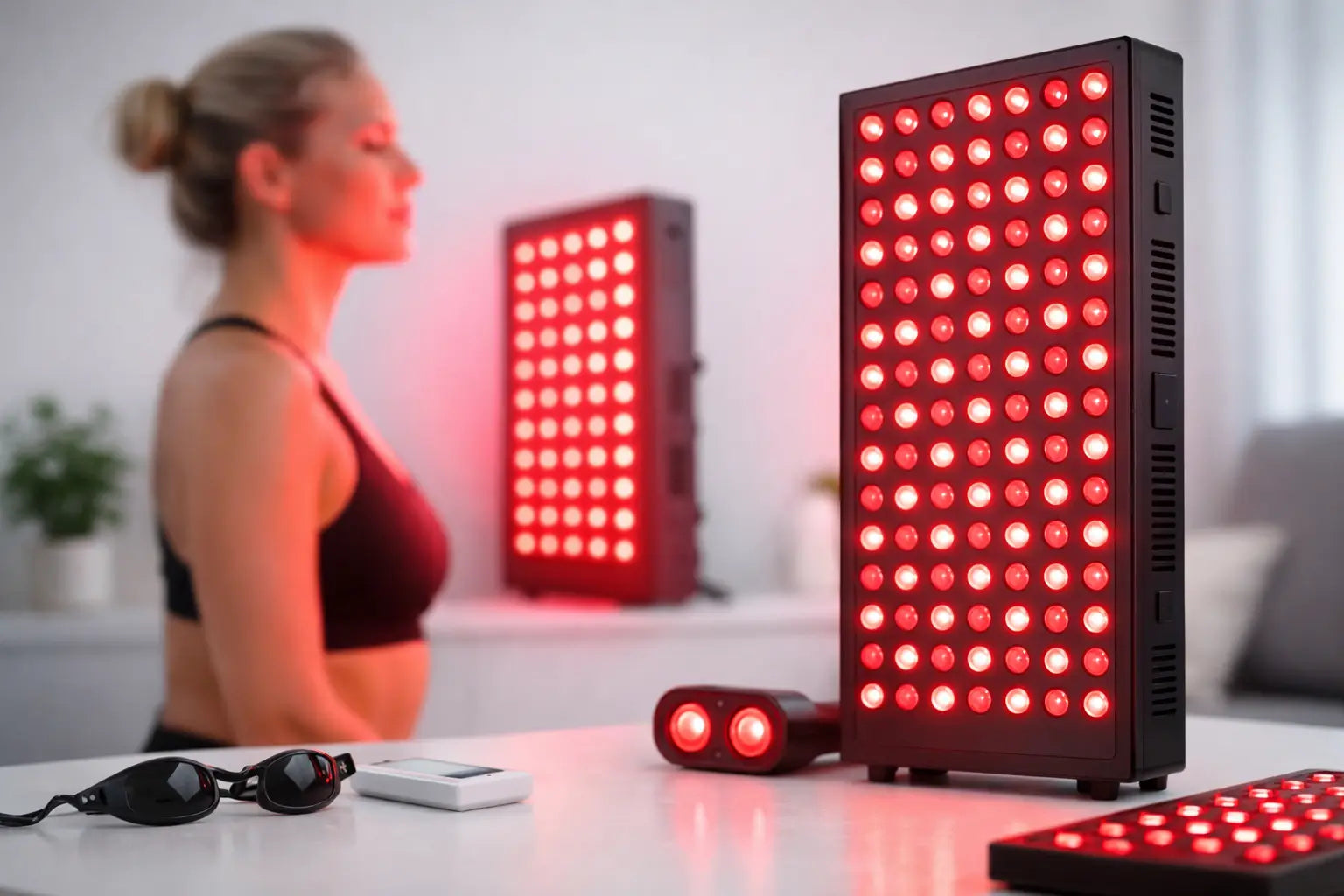
Coverage is usually the first decision. Smaller panels work well for targeted use around the face, neck, joints, or a single muscle group. Larger panels make more sense if you want to treat larger areas like the back, legs, or full body with fewer adjustments. If convenience matters - and it usually does - bigger panels often win because they reduce friction. The easier a device is to use, the more likely it becomes part of your weekly routine.
Wavelengths matter too, but they are often oversimplified. Most quality panels focus on red light in the mid-600 nanometer range and near-infrared light in the mid-800 range. Red light is commonly chosen for surface-level treatment, while near-infrared is favored for deeper tissue exposure. A good panel usually includes both, giving you more flexibility. The catch is that more wavelengths on a spec sheet do not automatically mean better results. What matters is whether the panel is designed well and delivers those wavelengths consistently.
Then there is irradiance, which gets a lot of attention for good reason. This is the measure of power delivered to a given area. Too low, and sessions may need to be longer or less effective. Extremely high numbers can sound impressive, but they are not helpful if the panel forces uncomfortable positioning or if the testing standards are unclear. Strong output from a reputable brand is more valuable than inflated claims from a bargain listing.
How to compare the best red light therapy panel options
If you are comparing multiple panels, think less like a gadget collector and more like someone building a premium home wellness setup. The right panel should feel like a purpose-built tool, not just another device competing for an outlet.
Size should match your use case
A compact desktop or wall-mounted panel can be an excellent choice if you are targeting the face, shoulders, hands, knees, or post-workout trouble spots. It is also easier to store and easier to justify if you are trying red light therapy for the first time.
A mid-size panel is often the sweet spot for shoppers who want more versatility. It gives enough coverage for torso, legs, or back sessions while still fitting into a home office, bedroom, gym corner, or recovery space. For many buyers, this is where value and performance align best.
Full-body panels are the premium move. They make sense for users who want broad coverage, fewer session adjustments, and a more immersive setup. If you already invest in performance gear, recovery tools, or other advanced home tech, a larger panel may fit naturally into that lifestyle. The trade-off is obvious - more space, more cost, and more commitment.
Build quality matters more than flashy extras
A well-made panel should feel solid, run quietly, and offer mounting or placement options that suit your room. Stands, door mounts, horizontal setups, and modular designs can all be useful depending on how you plan to use the panel. If your sessions feel inconvenient, consistency usually drops fast.
Cooling and overall construction also deserve attention. Premium units tend to inspire more confidence over time because they are designed for repeat use, not just attractive product photos. Clean controls, a stable frame, and dependable timer functions may sound basic, but those details shape the ownership experience more than novelty features do.
Controls should be simple, not distracting
The best red light therapy panel for home use is rarely the one with the most buttons. It is the one you can operate quickly and confidently. Independent control for red and near-infrared light can be useful. Built-in timers are helpful. App controls can be convenient if implemented well.
But if a panel turns a ten-minute session into a settings puzzle, the tech has missed the point. Good design makes advanced equipment feel easy.
Common mistakes buyers make
A lot of shoppers assume the highest-priced panel is automatically the best option. Sometimes it is, especially when you are paying for better coverage, stronger output, and superior build quality. But sometimes you are paying for capacity you will never use.
Another common mistake is buying too small. A compact panel may look like a budget-friendly win until you realize you need multiple passes to cover a larger area. If you know you want regular whole-back, leg, or full-body sessions, starting with a more capable panel can save time and frustration.
On the other hand, some buyers go too big too early. A full-body setup sounds exciting, but if your space is tight or your routine is unpredictable, a mid-size panel can be the better long-term choice. It depends on how committed you are, how much room you have, and whether convenience or maximum coverage matters more.
There is also a tendency to chase specifications without context. Two panels can list similar wavelengths and output numbers while delivering very different user experiences. That is why trusted curation matters. When a retailer that understands enthusiast-grade equipment selects premium wellness tech, it helps cut through the noise.
Who should buy a larger panel?
Larger panels are especially appealing for athletes, active professionals, and anyone building a serious home recovery station. If your routine already includes strength training, endurance work, long desk hours, or physically demanding hobbies, broad coverage can make sessions more efficient.
They also fit buyers who prefer a polished, dedicated setup. The same mindset that leads someone to invest in a racing simulator, a high-end gaming chair, or a premium massage chair often applies here too. You are not just buying a device. You are building a space that supports performance, recovery, and daily comfort.
If that sounds like you, it may be worth leaning toward a panel with stronger output, flexible mounting, and enough size to reduce repositioning. The upfront investment is higher, but the experience can feel dramatically better.
Who is better off with a smaller or mid-size panel?
If you are new to red light therapy, want targeted sessions, or need a panel that fits into a multipurpose room, smaller and mid-size options are often the smarter buy. They are easier to place, easier to budget for, and less intimidating to use.
This category also works well for users focused on specific areas rather than full-body treatment. Facial wellness, neck tension, shoulder recovery, joint care, or localized muscle support can all be served well by a more compact format. You still want quality, but you do not necessarily need maximum scale.
For many homes, the best answer is a panel that feels premium without dominating the room.
Features worth paying for
Some upgrades are genuinely useful. A sturdy stand can transform convenience. Modular capability can be valuable if you want to expand later. Adjustable intensity may help users fine-tune sessions. Reliable timers and clear control panels reduce guesswork.
What is less essential depends on the buyer. Smart features can be nice, but they are not a substitute for solid performance. Decorative design touches are welcome, but not if they come at the expense of output, durability, or ease of use.
The strongest value usually comes from the fundamentals done right. That is especially true when shopping with a performance-focused mindset.
Final thoughts on choosing the best red light therapy panel
The best red light therapy panel is not the one with the longest spec sheet. It is the one you can trust, fit into your space, and use often enough to justify the investment. For some buyers that means a compact, targeted device. For others it means stepping up to a larger panel that feels like a serious part of a future-ready home recovery setup.
If you shop with your real routine in mind instead of chasing hype, you are far more likely to end up with a panel that earns its place in your daily life. And that is when premium wellness tech starts to feel less like a trend and more like a smart upgrade.