How to Build Game Room That Feels Premium
A great game room is not just a spare room with a console and a chair pushed against the wall. The difference is obvious the second you walk in. One space feels temporary. The other feels intentional, immersive, and built for the way you actually play. If you are figuring out how to build game room space that looks sharp and performs even better, the smartest move is to think like a system designer, not just a shopper.
The best setups balance comfort, technology, flexibility, and style. That matters whether you want a competitive gaming station, a social arcade room, a racing simulator corner, or a hybrid entertainment space that can handle all three.
Start with the room, not the gear
The biggest mistake people make is buying equipment before they understand the room. Square footage, ceiling height, natural light, outlet placement, and traffic flow all shape what will work. A compact bonus room may be perfect for a focused console and PC setup, while a basement can support larger pieces like arcade cabinets, game tables, or simulator seating.
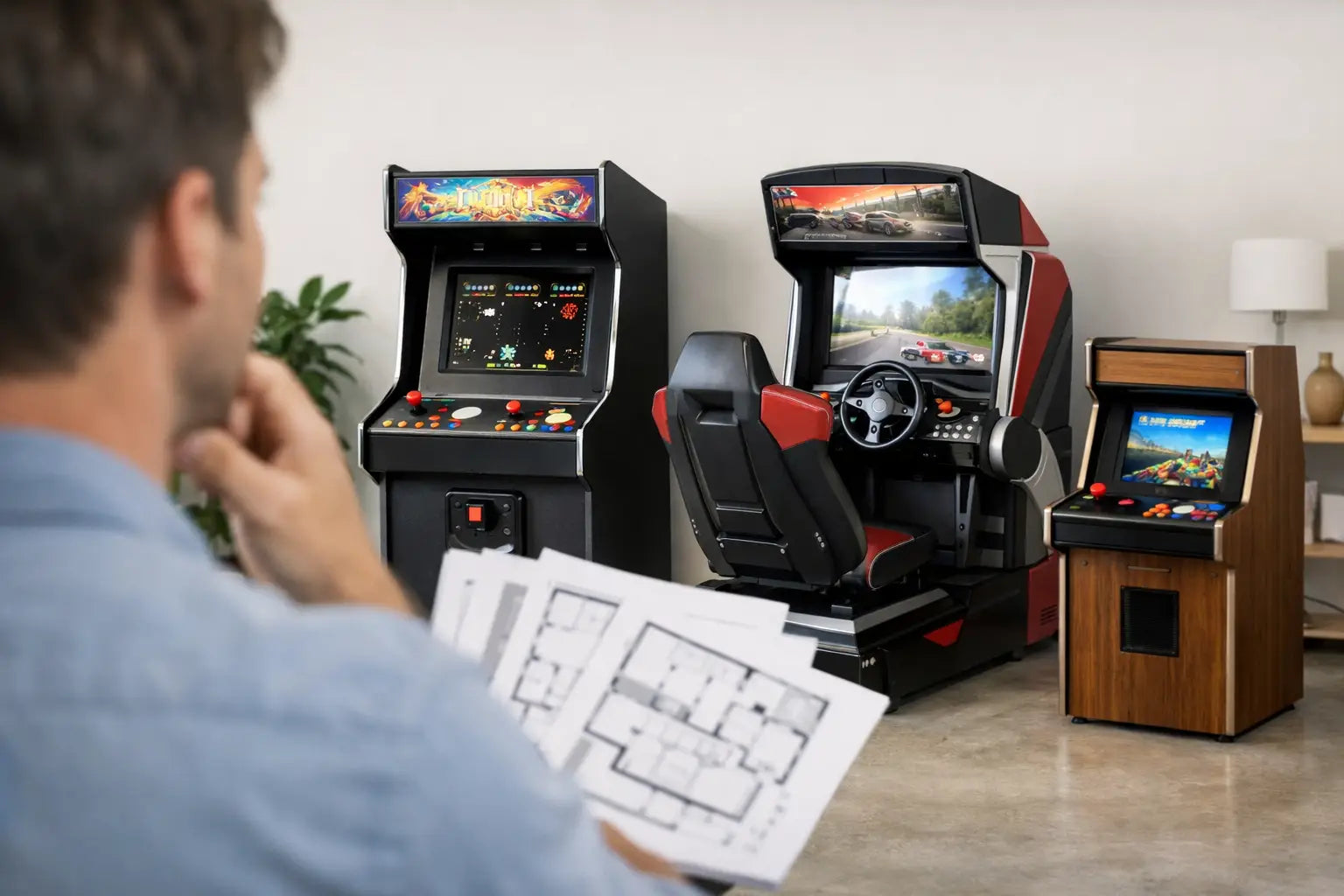
Measure everything first. That includes doorways, wall lengths, window placement, and how much clearance you need behind chairs or around tables. A racing simulator might look ideal online, but if you cannot comfortably get in and out of it without hitting a wall, the room will feel cramped fast.
You should also decide how the room will be used most often. A solo player chasing performance has different needs than a family building a weekend hangout space. If your room needs to support both, plan zones instead of forcing one layout to do everything.
How to build game room zones that make sense
A premium game room works best when each area has a job. That does not mean the space needs to be huge. It means the layout should feel deliberate.
A screen-based gaming zone usually becomes the anchor. This can be a console lounge with a large display and low seating, a desk-based PC battlestation, or both if the room allows it. From there, you can add secondary experiences like an arcade zone, a racing corner, or a tabletop section.
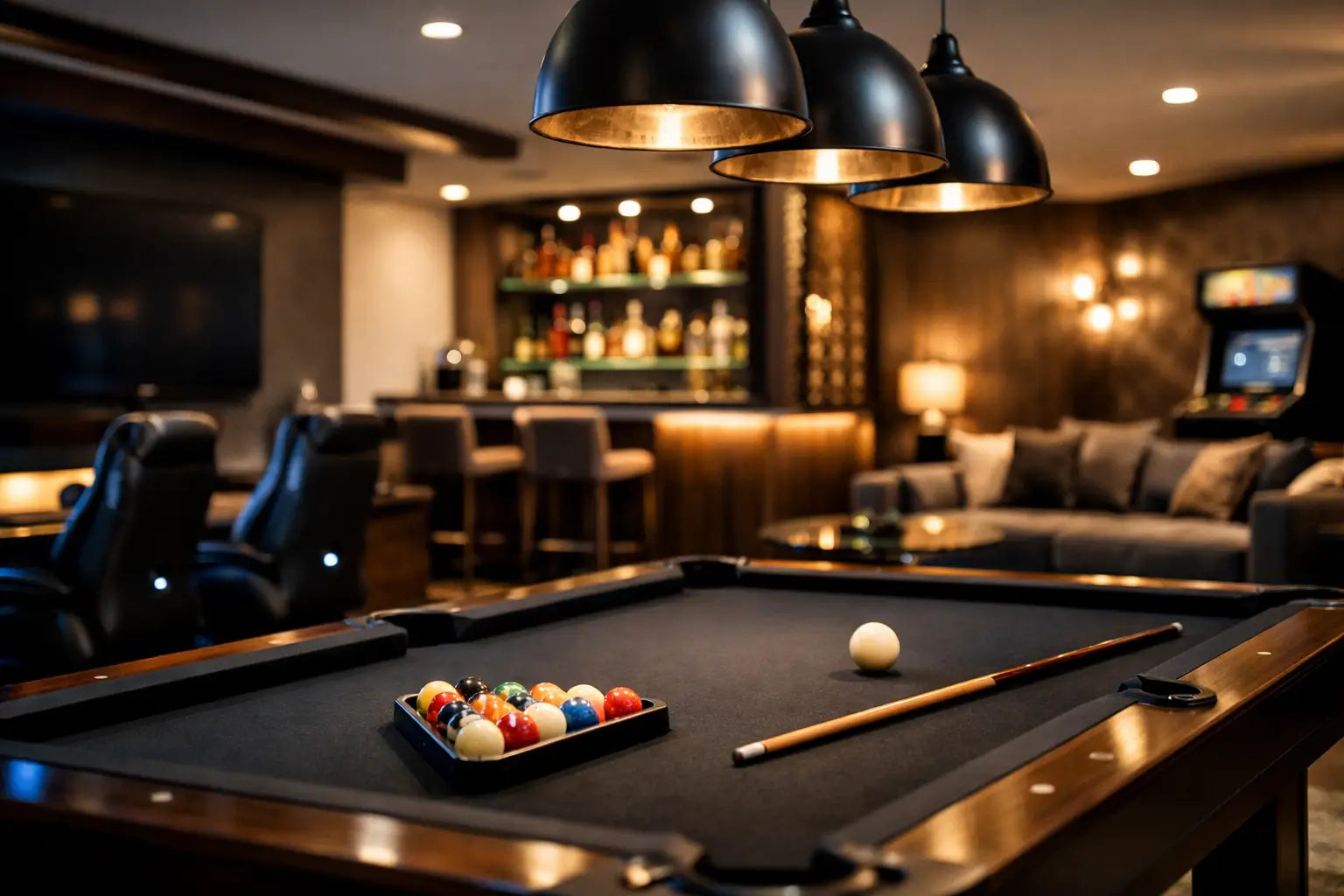
Think about noise and movement. Arcade machines and game tables draw people in and create energy, while a competitive desk setup benefits from a little separation. If the same room needs to support streaming, late-night sessions, or focused play, keep the loudest and brightest elements from crowding the main station.
Sightlines matter too. If multiple people are using the room, they should not all be forced to stare into each other’s screens. Turning one zone slightly off-axis can make the whole room feel more polished.
Choose your centerpiece carefully
Every standout game room has a focal point. Sometimes it is a massive display with a clean console setup. Sometimes it is a premium gaming desk with dual monitors and synchronized lighting. In other rooms, the hero piece is a full racing simulator or a classic arcade cabinet that gives the space instant personality.
The right centerpiece depends on what kind of experience you want to prioritize. If you care most about cinematic play, put more budget into the display, audio, and seating. If immersion is the goal, simulator seating and mounted controls may deserve the top spot. If you love social gaming, arcade and game table options can turn the room into an event space instead of a personal station.
This is where quality matters. A room built around one excellent centerpiece often feels more premium than a room packed with random gear. Buy for long-term satisfaction, not just short-term excitement.
Seating is where the room succeeds or fails
People love talking about screens and hardware, but seating is what determines whether you actually want to spend hours in the room. Cheap chairs wear out quickly, look tired fast, and can make even an expensive setup feel second-rate.
For desk gaming, ergonomic support should come first. A premium gaming chair with proper lumbar support, adjustable armrests, and durable materials will outperform trendy looks alone. For console and home theater style setups, the priorities shift toward posture, viewing angle, and enough support for long sessions.
If your game room doubles as a social space, mix seating types. A main performance chair, a loveseat or sectional, and a few flexible side seats can make the room more welcoming without sacrificing function. Just be careful not to overcrowd the floor. Open space is part of what makes a room feel high-end.
Get the display and audio right
A game room should look impressive, but it also needs to feel responsive and immersive. That means choosing a display that fits the distance and use case. A large TV works beautifully for console gaming, sports titles, party games, and multi-person viewing. A monitor setup is often better for PC players who care about refresh rate, pixel density, and desk ergonomics.
Do not oversize the screen for the room. Bigger is not always better if it forces awkward neck movement or overwhelms the wall. The same goes for audio. A capable soundbar or speaker system can transform the room, but only if the acoustics and volume match the space.
If you share walls with bedrooms or neighbors, that changes the equation. In that case, a premium headset station may be a smarter investment than a full speaker build. Great game rooms are not built from specs alone. They are built around real-life use.
Lighting is the fastest upgrade
If you want the room to feel immersive the moment someone steps in, lighting does a lot of heavy lifting. Overhead lighting alone usually flattens the space and kills the mood. Layered lighting creates depth and gives the room more control.
Ambient lighting sets the tone. Accent lighting highlights shelves, displays, or arcade pieces. Task lighting helps at a desk or control station. Bias lighting behind a TV or monitor can also reduce eye strain during long sessions.
Color-changing LEDs are popular for a reason, but restraint matters. A room lit like a nightclub gets old quickly. The best setups use lighting to support the space, not dominate it. Clean lines, soft contrast, and a few controllable scenes will feel far more premium than blasting every color at once.
Cable management and power planning matter more than you think
Nothing breaks the illusion of a polished game room faster than visible cable chaos. If you are investing in premium tech, give it a clean foundation. Plan where power will come from, how cables will be routed, and where chargers, surge protection, and accessories will live.
Use furniture that helps hide wires or gives you pathways to organize them. Wall-mounted displays, cable raceways, under-desk trays, and smart power management can make a dramatic difference. This is not the flashy part of the build, but it is one of the clearest signs that the room was put together with intention.
It also makes upgrades easier later. A room with good power access and cable organization can evolve without becoming a mess every time you add a new console, accessory, or display.
Add personality without clutter
The best game rooms reflect the owner. That does not mean filling every shelf and wall with collectibles. A few strong design choices usually outperform too many small ones.
Pick a visual direction. Maybe it is sleek and modern with black, charcoal, and LED accents. Maybe it leans retro with arcade color, neon, and nostalgic artwork. Maybe it blends gaming with broader entertainment and lifestyle tech for a more upscale lounge feel. Whatever direction you choose, keep it consistent.
Wall art, shelving, display cases, and branded accessories can all help, but edit aggressively. If everything is special, nothing stands out. Leave breathing room around your best pieces.
Budget for phases, not perfection
If you are serious about how to build game room space the right way, do not feel pressured to finish everything in one purchase cycle. In fact, phased builds often turn out better. You make sharper decisions when you live with the room a little and learn what it still needs.
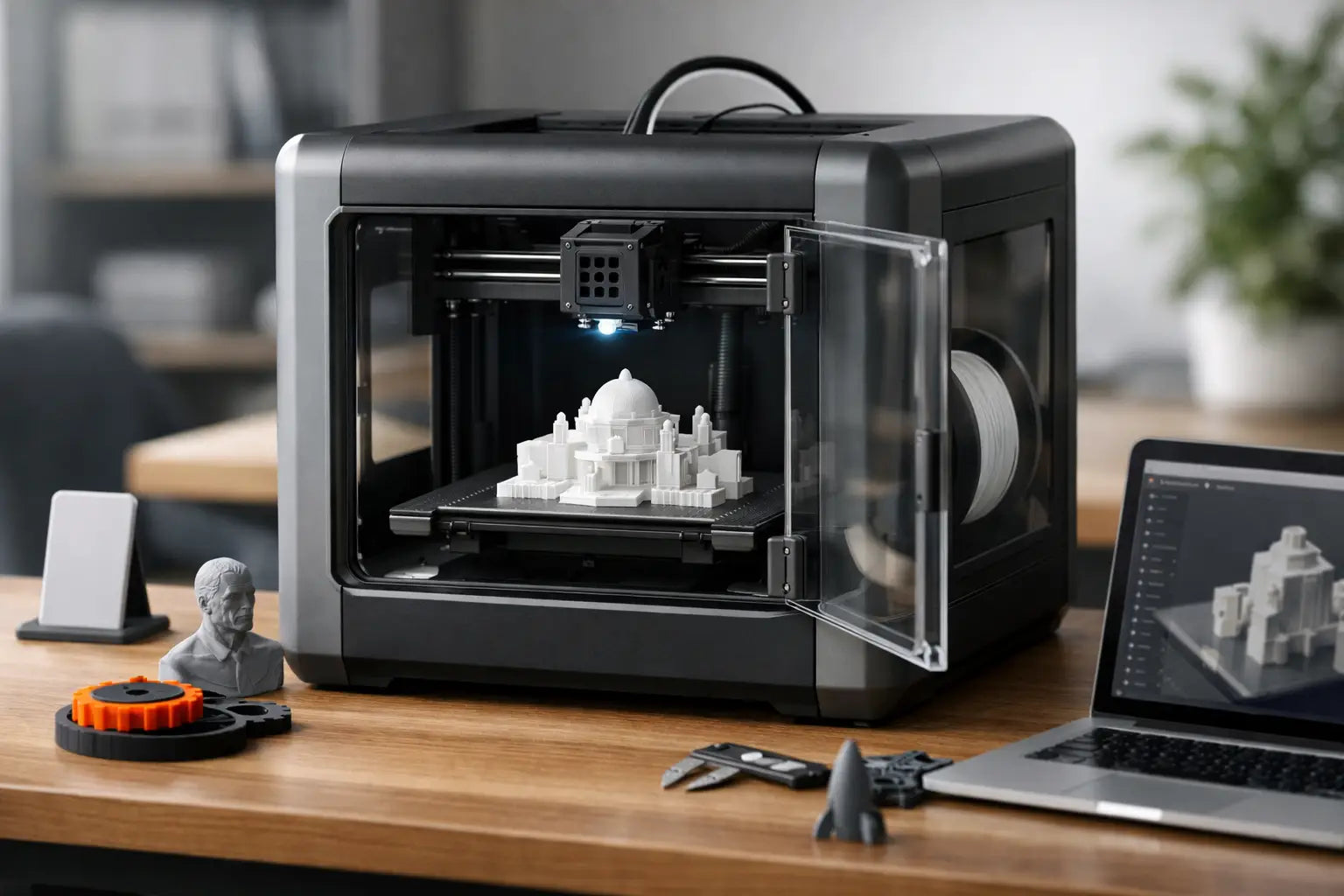
Start with the foundation: layout, primary seating, display, and core hardware. Then improve the experience with lighting, storage, audio, and secondary entertainment pieces. Finally, add premium extras that make the room feel custom, like simulator gear, arcade equipment, specialty furniture, or creator-focused tools.
This approach protects your budget and helps you avoid impulse buys that do not fit the room long term. It also gives you room to invest in better equipment instead of settling for filler.
Build for the next version of your lifestyle
A game room is rarely just about gaming. For a lot of people, it becomes the most versatile room in the house. It is where you play, stream, watch, compete, host friends, and decompress. That is why premium planning pays off.
Think about what your habits might look like a year from now. Maybe today you want a console lounge, but later you will add a simulator or creator desk. Maybe your current focus is solo play, but you know the room will become a social hub on weekends. Future-ready decisions around layout, furniture quality, and flexible tech make those upgrades easier.
At Your Tech Haven, that broader view is what separates a quick setup from a room that truly elevates the home experience. Build for performance, comfort, and longevity, and the space will keep earning its place long after the first power-on.