Folding Electric Bike Review: What Matters
A folding electric bike review gets real the moment you have to carry the bike up apartment stairs, fit it into an SUV, or rely on it for a daily commute instead of a weekend novelty ride. That is where the smart buying decisions happen - not in spec sheets alone, but in the gap between advertised convenience and real-world use.
For riders shopping in the premium tech lane, folding e-bikes are appealing for the same reason a high-end simulator, drone, or 3D printer is appealing. They promise performance in a compact footprint. But this category is full of trade-offs. The best folding electric bike is not always the fastest, lightest, or most powerful. It is the one that fits your space, your route, and how often you will actually fold it.
Folding electric bike review: the features that matter most
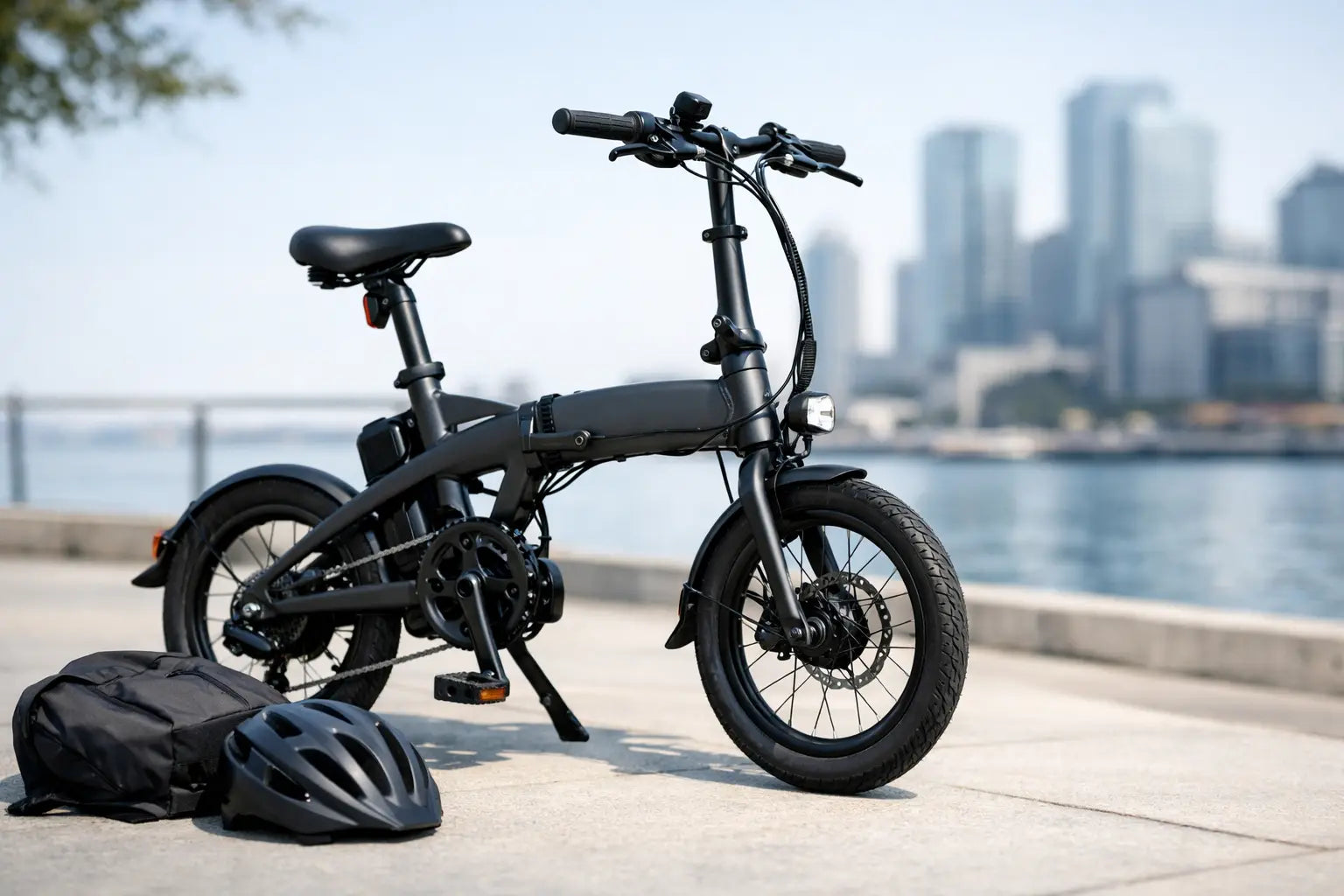
The first thing to understand is that folding e-bikes are solving two problems at once. They need to ride like a dependable electric bike and store like a much smaller object. Some models nail one side of that equation and struggle with the other.
Weight is the biggest reality check. Many folding electric bikes look compact in photos, but plenty still weigh 50 to 70 pounds. That may be manageable if you are rolling it into a garage or office corner. It is a different story if you are lifting it onto a train platform, into a trunk, or up a short flight of stairs. If portability is your main reason for buying, weight matters as much as motor size.
Wheel size changes the ride more than many buyers expect. Smaller wheels help keep the bike compact and quick to fold, but they can feel harsher over broken pavement and city imperfections. Larger wheels usually improve stability and comfort, yet they add bulk. If your commute includes rough streets, railroad tracks, or uneven bike paths, slightly larger tires or fat tires can make a folding bike feel much more planted.
Motor output matters, but context matters more. A stronger motor helps with hills, stop-and-go city riding, and heavier riders. Still, motor power alone does not guarantee a better experience. Controller tuning, pedal assist smoothness, and the bike's gearing often matter just as much. A bike with well-calibrated assist can feel more premium than one with bigger numbers and jerky response.
Battery size is where buyers often get overly optimistic. Brands may advertise impressive range, but those estimates are usually based on favorable conditions - lighter riders, lower assist, flatter terrain, and minimal wind. If you are using throttle often, carrying a backpack, or riding in hilly areas, expect real-world range to come down. For most commuters, predictable range is more valuable than an inflated headline number.
How a good folding e-bike should feel in daily use
A strong folding electric bike review should go beyond specs and focus on friction. How long does the bike take to fold? Does the latch feel secure? Can it stand or roll easily when folded? Does it stay compact enough to be practical in a hallway, closet, RV, or office?
This is where premium design earns its keep. A well-built folding mechanism should feel confident, not fiddly. If it takes too much force, requires awkward alignment, or rattles after repeated use, the bike may become annoying fast. A folding bike should reduce hassle, not introduce a new kind of it.
Comfort is another make-or-break issue. Because folding frames often have a more upright geometry, many riders find them comfortable for casual commuting and neighborhood trips. That is a real advantage for riders who are not chasing an aggressive road-bike position. On the other hand, some compact frames can feel twitchy at speed or cramped for taller riders. Adjustable handlebars and seat posts help, but fit still deserves close attention.
Brakes and tires deserve more respect in this category. Folding e-bikes can be deceptively heavy once the motor and battery are factored in, so reliable stopping power is essential. Mechanical disc brakes can be fine on entry-level or lighter models, but hydraulic brakes often feel more controlled and confidence-inspiring, especially in wet conditions or downhill sections.
Who should actually buy one
Folding electric bikes shine for a specific kind of buyer. If you live in an apartment, work in a downtown office, travel with an RV, split your commute between car and bike, or want a compact ride that does not dominate your storage space, this category makes a lot of sense.
They are also a smart fit for riders who want flexibility over pure performance. A full-size commuter e-bike may ride better over long distances, but it can be harder to store, transport, and live with. A folding model is often the better lifestyle tool. That distinction matters. You are not just buying a bike - you are buying a machine that needs to fit your home, your vehicle, and your schedule.
That said, folding electric bikes are not ideal for everyone. If you ride long distances every day, want maximum high-speed stability, or need the lightest possible machine for frequent carrying, a folding design may feel like a compromise. Some riders buy them for convenience and then realize they rarely fold them. If that sounds like your use case, a standard e-bike may deliver more value.
Folding electric bike review: common trade-offs to expect
The strongest products in this category are honest about compromises. Compact design can mean a stiffer frame feel. Smaller wheels can mean more road feedback. Higher-capacity batteries can mean more weight. Fat tires can improve comfort and confidence, but they can also make the folded bike more awkward.
There is also the question of speed versus practicality. Some folding e-bikes aim to feel sporty and powerful, which is great if you want more excitement in the ride. But faster, heavier models are not always the easiest to carry or store. If portability is the headline feature for you, resist the temptation to buy only on peak specs.
Accessories matter more here than they do on many full-size bikes. Integrated lights, fenders, rear racks, and a clear display can make a folding e-bike feel commuter-ready from day one. Without those pieces, the bike may still be good, but it may require extra spending and setup to become truly useful.
Serviceability is another practical point. Tires, hinges, batteries, and electronic components all need to be dependable. Buying from a retailer that understands enthusiast-grade gear and stands behind the category can make the experience much smoother, especially if you are comparing premium models and want real guidance instead of generic marketplace listings.
What to look for before you buy
Start with the fold itself. Watch how the frame locks, where the handlebars land, and whether the pedals fold too. If the folded shape is still bulky, measure your trunk, closet, or storage area before you commit. Compact on paper does not always mean compact in your life.
Next, match battery and motor performance to your route. For flat urban riding, you may not need the highest wattage available. For hills, longer commutes, or heavier loads, you probably do. It is smarter to buy for your worst regular ride than your easiest one.
Think carefully about rider fit. Smaller frames can work for a wide range of heights, but not equally well. If you are taller, look for extended seat post adjustment and cockpit dimensions that do not leave you feeling folded up on the bike itself.
Finally, be honest about how you will use it. If you need a bike to live in a condo corner, tuck into a vehicle, and deliver quick, efficient mobility with less clutter, a folding e-bike can be a brilliant piece of future-ready tech. If you want a long-haul machine for daily miles at top comfort, the smarter move may be a full-size platform.
The best folding electric bike review does not crown one universal winner. It helps you spot the model that fits your version of convenience, performance, and everyday ownership. When that match is right, a folding e-bike stops feeling like a compromise and starts feeling like one of the smartest upgrades in your mobility setup.