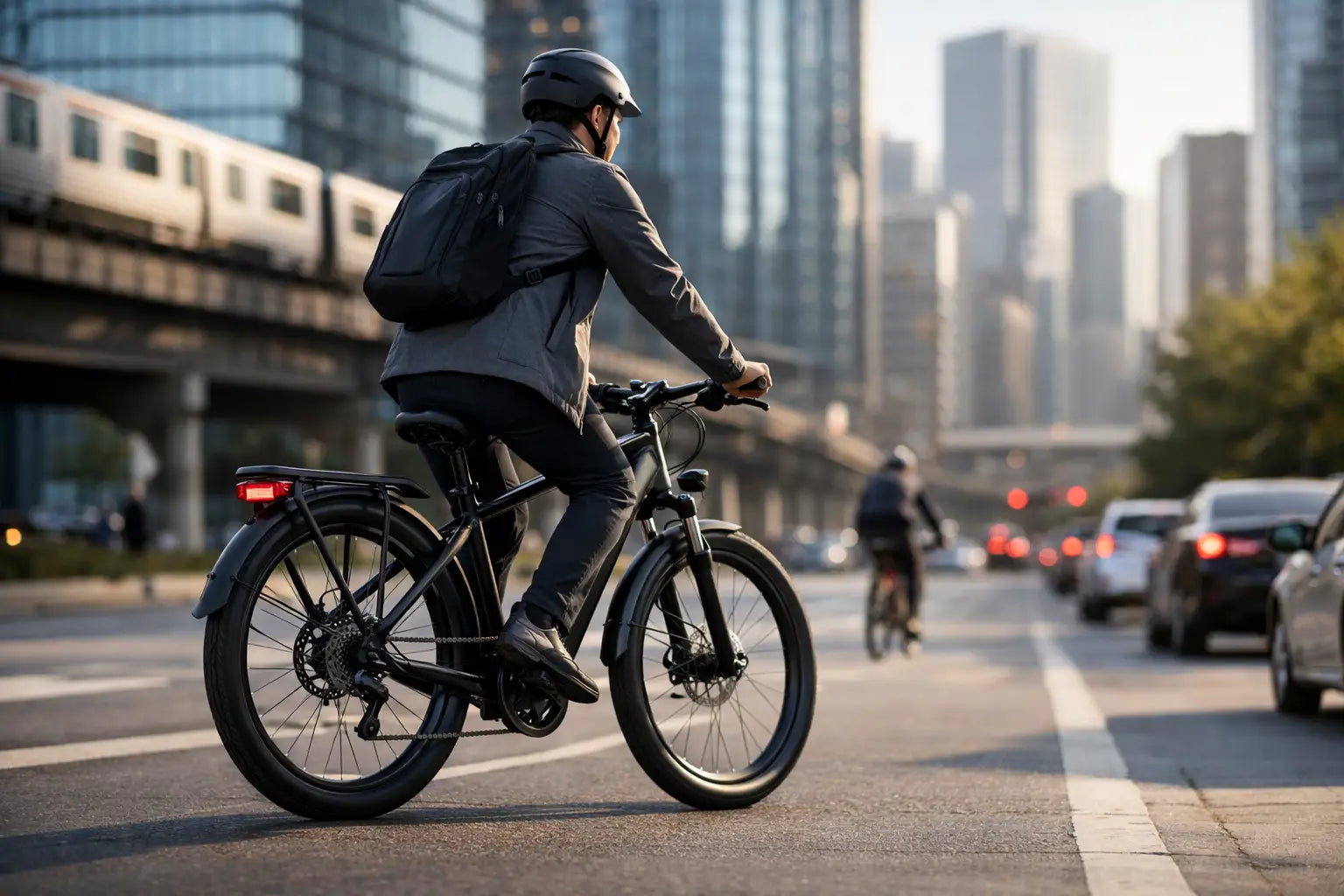
Best Electric Bike for Commuting Picks
That moment when you realize your daily drive is mostly brake lights, parking fees, and wasted time is usually the moment the search for the best electric bike for commuting starts to make a lot of sense. A good commuter e-bike does more than shorten your trip. It changes the energy of your day - less stress getting in, less friction getting home, and a lot more freedom in between.
For many riders, the right choice is not the flashiest model or the one with the highest top speed. It is the bike that fits your route, your storage situation, your comfort preferences, and how much effort you actually want to put into each ride. That is where smart buying matters. Premium gear should feel like a real upgrade, not a spec sheet guessing game.
What makes the best electric bike for commuting?
The best commuter e-bike is built around consistency. You need something that starts every morning, handles rough pavement without drama, and gives you enough battery confidence that charging does not become a daily headache. In practical terms, that means balancing range, comfort, weight, reliability, and security features.
Range gets the most attention, but it is often misunderstood. If your commute is 8 miles each way on mostly flat roads, you do not need the biggest battery on the market. If your route includes hills, headwinds, or heavy use of throttle mode, battery capacity matters a lot more. Riders carrying a laptop, a change of clothes, or groceries on the way home should also expect real-world range to drop compared with ideal manufacturer estimates.
Motor placement changes the feel of the bike. Hub-drive motors are common and cost-effective, and they work well for many city commuters. Mid-drive motors usually feel more natural and perform better on hills because they work through the bike's gears. They are often found on more premium models, and for riders who want a polished, athletic ride experience, they are hard to ignore.
Comfort is where commute bikes become everyday bikes. An upright riding position, ergonomic grips, stable handling, and wider tires can make a huge difference over a week of riding. If your route includes cracked streets, train tracks, or bike lane transitions, a rigid frame with skinny tires may look sleek but feel punishing by Friday.
The features that matter most on a daily commute
If you are trying to narrow down options, start with the features that affect everyday use rather than showroom appeal. Integrated lights, full fenders, and a rear rack are not exciting until you actually commute in low light or wet streets. Then they become essential.
Battery design matters too. A removable battery is a major advantage if you live in an apartment, store your bike in a garage without power, or want easier charging at work. Integrated batteries look cleaner, but convenience can be more valuable than aesthetics when the bike becomes part of your weekly routine.
Brakes deserve more attention than they usually get. Hydraulic disc brakes are one of the easiest premium upgrades to appreciate because they offer stronger stopping power and better control in all weather. For urban riding, especially in traffic, that extra confidence is worth it.
Tires are another underrated decision point. Narrower tires can feel quick, but wider commuter tires usually bring better comfort, stability, and grip. If your city has rough pavement, metal utility covers, or occasional gravel shortcuts, slightly larger tires can make the bike feel far more capable.
Don’t buy for top speed alone
A fast bike sounds great until it feels twitchy, heavy, or awkward to pedal once the battery level drops. The best electric bike for commuting is not necessarily the one with the most aggressive speed rating. It is the one that feels composed in traffic, predictable at intersections, and efficient enough that you actually want to ride it every day.
Weight changes everything
This is the trade-off many buyers notice too late. Bigger batteries, more powerful motors, suspension forks, and heavy-duty frames all add weight. That may be fine if your bike lives in a garage and rolls straight onto the street. It is less fine if you need to carry it up apartment stairs, lift it onto a rack, or maneuver it into a small office storage area.
Which type of commuter e-bike fits your routine?
For city riders with shorter trips and limited storage, a lightweight urban e-bike often makes the most sense. These bikes prioritize clean design, easy handling, and efficient pedal assist over oversized motors. They are ideal for riders who want to feel like they are still biking, just with less sweat and less hassle.
For longer commutes, especially 15 miles or more each way, look at models with larger batteries and a more supportive geometry. This is where comfort and endurance matter more than minimalist styling. A rack-ready frame, upright posture, and stable ride quality can keep a longer route enjoyable instead of fatiguing.
If your commute mixes pavement with rougher paths, a commuter-hybrid e-bike may be the better fit. These bikes typically use wider tires, slightly more relaxed geometry, and components that can handle mixed surfaces. They are a strong choice for suburban riders, rail-trail commuters, or anyone whose route is not perfectly paved from start to finish.
Folding e-bikes deserve a mention too, but they are more situational. They work well for apartment living, mixed train-and-bike commutes, or RV use. The trade-off is usually ride feel. Smaller wheels and compact geometry can be practical, but they often feel less planted than full-size commuter bikes.
How to choose the best electric bike for commuting without overbuying
It is easy to overspend on capability you will never use. Start with your route. How far is it, how hilly is it, and how often will you ride in poor weather? Then think about what happens before and after the ride. Do you have secure parking? Can you charge at work? Will you carry cargo or keep things minimal?
A premium commuter setup should solve friction points, not create new ones. If you need a bike for a 6-mile urban commute, a huge fat-tire model with off-road styling may be more machine than you need. If your route is long, hilly, and year-round, buying too light or too basic can leave you wanting more within months.
This is where value looks different from sticker price. A bike with integrated lights, quality brakes, rack mounts, and dependable components may cost more upfront, but it saves you from turning a new purchase into a customization project. For many buyers, that is the smarter move.
What premium shoppers should look for
If you already know you want a higher-end experience, focus on ride refinement. That means smooth pedal assist engagement, quality frame design, better battery integration, stronger braking, and components that hold adjustment over time. These details are not always obvious in product photos, but they are exactly what separate a bike you tolerate from one you look forward to riding.
Brand support also matters more than people think. Electric bikes are part vehicle, part technology product. Battery systems, displays, sensors, and motors all add complexity. Buying through a retailer that understands enthusiast gear and can help you compare real use cases is often as valuable as choosing between motor specs. That guidance can help you avoid mismatched expectations and get to a better fit faster.
There is also the question of style versus practicality. Some riders want a sleek, stealthy commuter that does not scream e-bike. Others want maximum utility with racks, fenders, high-visibility lights, and all-weather readiness. Neither choice is wrong. The right answer depends on whether your priority is design-forward minimalism or daily-use functionality.
Common mistakes first-time buyers make
One of the biggest mistakes is assuming all range claims are equal. Real-world performance depends on rider weight, assist level, terrain, temperature, tire pressure, and stop-and-go traffic. It is smarter to buy with buffer than to expect ideal conditions every day.
Another common issue is ignoring fit. Even the most advanced e-bike can feel disappointing if the frame size, handlebar reach, or riding position is wrong. Commuting is repetitive by nature. Small discomforts become big annoyances when repeated five days a week.
Security is often an afterthought too. If you are investing in a premium commuter e-bike, plan for a serious lock strategy and consider where the bike will actually live. Convenience matters, but so does peace of mind.
At Your Tech Haven, that premium-minded approach makes sense. Commuter e-bikes are not just transportation products. They are performance tech for everyday life, and the best ones earn their place the same way any great gear does - by making the experience better every single time you use it.
The best electric bike for commuting is the one that turns your route from an obligation into momentum. Pick the model that fits your streets, your schedule, and your standards, and your weekday routine starts to feel a lot more like an upgrade.