Wellness Technology for Home Use That Earns Its Space
A great home setup does more than look impressive. It should help you feel ready for the next workday, training session, game night, or creative project. That is where wellness technology for home use earns its place: not as another gadget collecting dust, but as equipment that makes comfort, recovery, and movement easier to fit into real life.
For buyers who already care about performance, the appeal is obvious. A premium massage chair can turn the end of a demanding day into a repeatable recovery ritual. Red light therapy can give a dedicated wellness routine a purposeful home base. A mobility scooter can restore freedom around a large property, neighborhood, or travel destination. The key is choosing technology that fits your habits, your available space, and the results you actually want to support.
What Wellness Technology for Home Use Should Do
The best wellness equipment reduces friction. If a device takes ten minutes to set up, requires a complicated app, or has nowhere to live when it is not in use, it is less likely to become part of your routine. Premium home wellness technology should feel accessible enough for daily use while delivering the features, build quality, and comfort that make ownership worthwhile.
Start by defining the job. Are you trying to ease the transition from desk work to downtime? Build a more consistent post-workout recovery routine? Support comfortable movement for yourself or a family member? Those are different needs, and they lead to different categories.
Massage and recovery furniture is often the right fit for people managing long sitting sessions, intense training, or general physical tension. Red light therapy devices appeal to buyers who prefer a structured personal-care routine and want a dedicated treatment area at home. Mobility products prioritize practical independence, stability, and range. A single category may overlap with another, but it should not be expected to solve every wellness goal.
That distinction matters because premium equipment is an investment. The winning purchase is usually the one you will use three or four times a week, not the one with the longest feature list.
Build Around the Routine, Not the Spec Sheet
Technical specifications matter, especially when comparing enthusiast-grade products. But a spec sheet cannot tell you whether a chair will fit through your doorway or whether a panel will work in the only room where you have privacy and reliable power.
Before comparing models, picture the moment of use. If your recovery window is twenty minutes after a workout, a massage chair near your home gym or media room may become a natural part of the flow. If you want a quiet reset after remote work, a chair in an office or den may be more useful than one tucked into a basement. If mobility is the priority, charging access, turning radius, terrain, and storage should lead the conversation.
Measure first. For larger wellness furniture, account for more than the product footprint. Reclining mechanisms, zero-gravity positions, walking clearance, and delivery access can all change what works in a room. For light-based devices, consider where they can be used consistently and safely, including ventilation, electrical outlets, and a surface or stand that keeps the device stable.
A premium purchase should elevate the room rather than force the room to work around it. This is especially true in multipurpose homes where a gaming space, office, gym, and entertainment area may all compete for square footage.
Where Each Category Fits Best
Massage chairs and recovery furniture
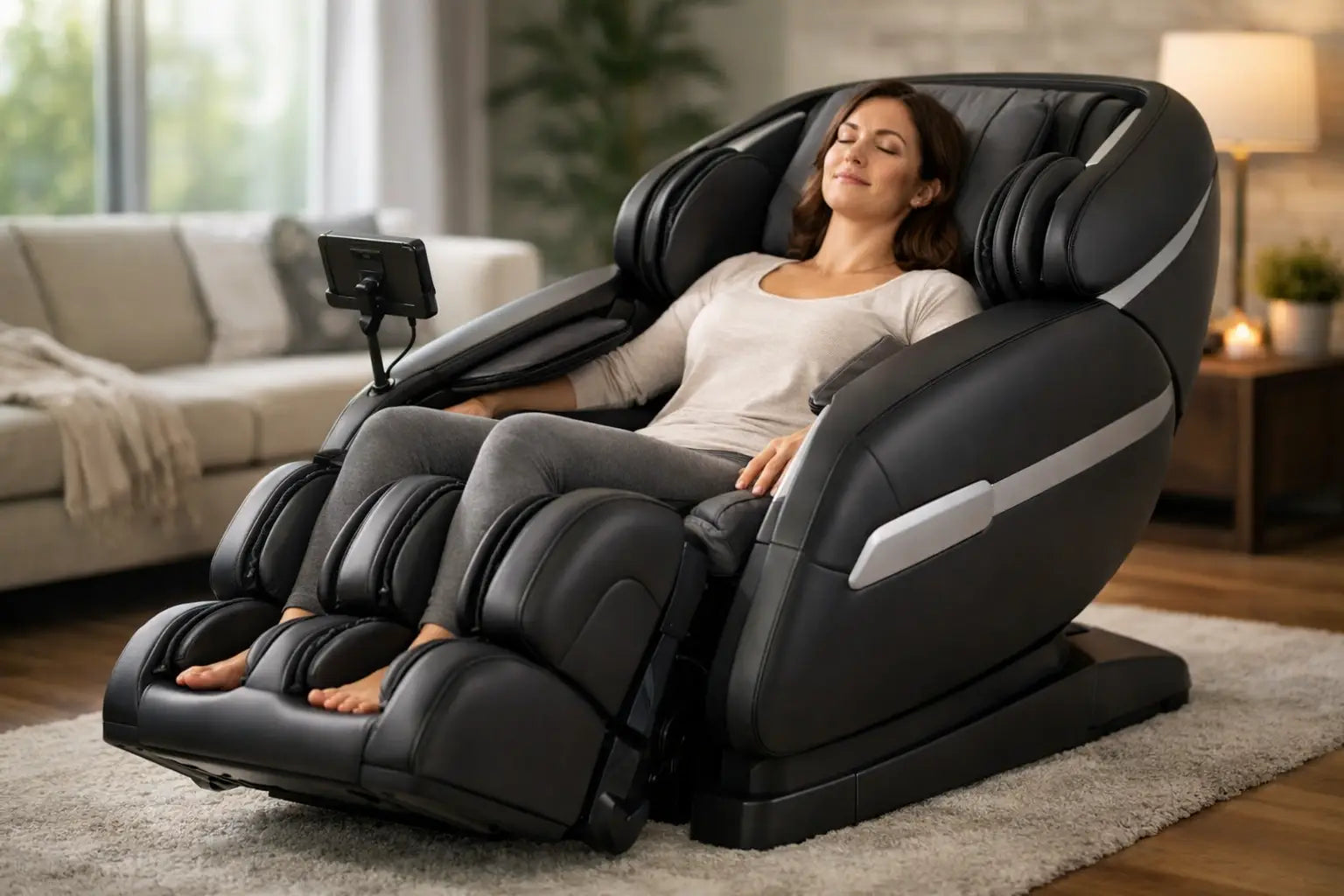
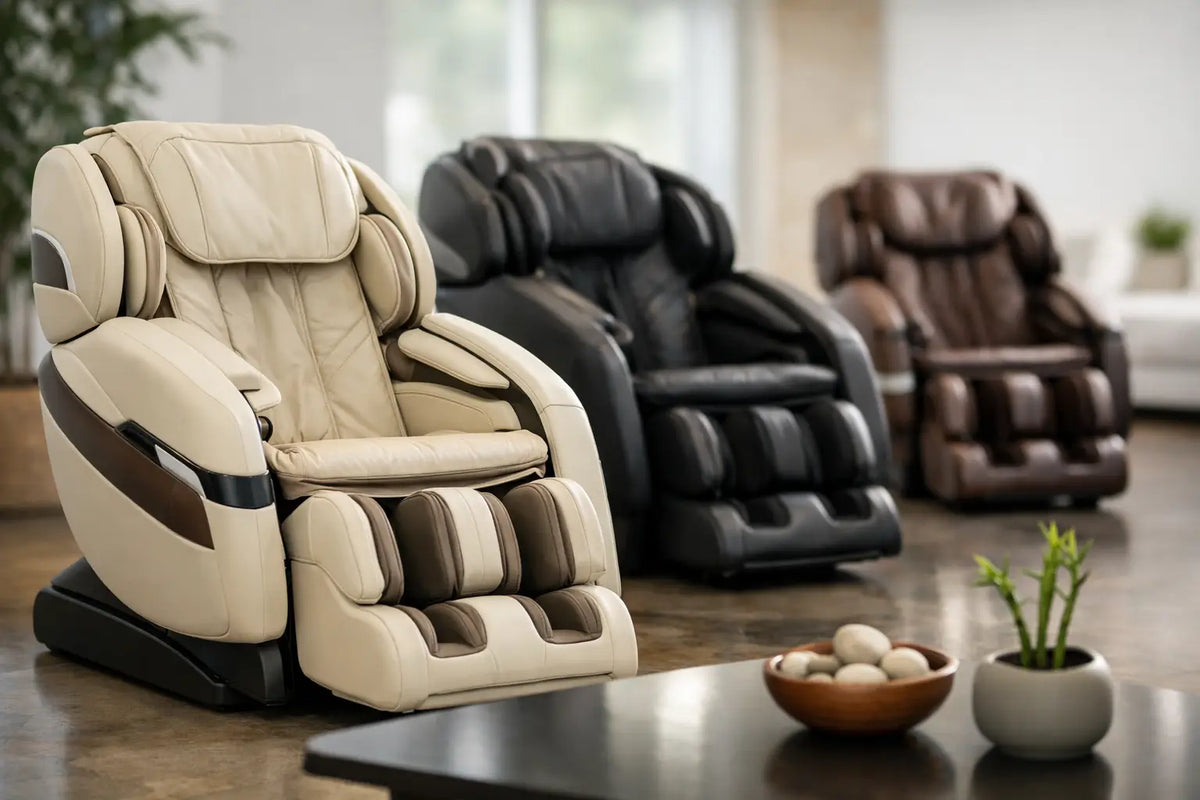
Massage chairs are built for repeatable comfort with far less effort than booking appointments or using handheld tools. Features such as body scanning, adjustable intensity, heat, air compression, foot rollers, and zero-gravity recline can make a meaningful difference in how personalized the experience feels.
More features are not automatically better. A larger chair with advanced programs may be ideal for a dedicated media room, while a more compact model may be the smarter choice for an apartment, office, or shared living area. Pay attention to user height and weight ranges, upholstery feel, noise level, and whether the controls are intuitive enough for everyone in the household.
Massage equipment can support relaxation and temporary relief from everyday muscle soreness or tension, but it is not a replacement for medical care. Anyone with a health condition, recent surgery, implanted devices, or circulation concerns should check with a qualified clinician before use.
Red light therapy devices
Red light therapy has become a popular category for home wellness buyers who value consistent routines. Device design matters here. Panels, wraps, masks, and handheld units each create a different ownership experience. A larger panel can suit someone who wants broad coverage and a dedicated treatment station, while a smaller format may be more practical for targeted use and limited space.
Look beyond marketing language. Consider the treatment area, controls, timer options, mounting or stand requirements, eye-protection guidance, and manufacturer instructions. A product with a clear protocol you can realistically follow is often more valuable than an oversized device that is inconvenient to position.
Be disciplined about claims. Red light therapy products should be used according to their instructions, and results vary by individual and intended use. If you are managing a medical condition, taking photosensitizing medications, or have questions about safety, get personalized guidance from a healthcare professional first.
Mobility scooters and personal mobility equipment
Mobility technology is wellness technology in the most practical sense. It can help people participate more fully in errands, outdoor events, family time, and everyday movement. The right choice depends heavily on where it will be used.
For indoor use, compact dimensions and a tight turning radius may matter most. For neighborhoods, campuses, or outdoor paths, range, suspension, tire type, ground clearance, and weight capacity become more significant. Also consider the realities after the ride: where will it charge, how will it be transported, and can it be stored securely?
Do not treat range as a fixed promise. Rider weight, terrain, weather, battery age, speed, and hills all affect real-world performance. Choosing a model with appropriate capacity and a comfortable margin for your normal trips creates a better, more confident ownership experience.
A Smarter Way to Compare Premium Options
When several products look appealing, compare them through the lens of ownership instead of novelty. Four questions usually clarify the decision:
- Will it fit the room, entryway, and intended use area without compromise?
- Can you use it safely and comfortably at your height, body type, and fitness or mobility level?
- Does it have the controls, adjustability, and convenience features that support frequent use?
- What does long-term ownership require, including cleaning, charging, maintenance, warranty support, and replacement parts?
Make the Setup Feel Intentional
The most effective home wellness spaces are not necessarily large. They are clear in purpose. A recovery corner can be as simple as a massage chair, a small side table for water, soft lighting, and enough open floor space to move comfortably. A red light therapy area benefits from a stable placement plan, a timer, and storage that keeps accessories protected. A mobility charging zone should be dry, accessible, and free of tripping hazards.
Treat the environment as part of the product. A device placed where you already spend time is more likely to become a habit. That might mean pairing recovery furniture with your home theater, placing a wellness device near your gym, or creating a charging station close to the exit you use most.
Your Tech Haven is built for this kind of upgrade: technology chosen not just for what it can do, but for how it improves the way you live at home. Start with the moment you want to improve, choose equipment designed for that purpose, and give it a place where using it feels like the easiest part of your day.