Red Light Therapy Panels: What to Know
A lot of wellness gear looks impressive in a product photo and underwhelming in daily use. Red light therapy panels are different when you buy the right one for your space, your routine, and your goals. Whether you're building a smarter recovery setup at home or adding another performance tool to your personal tech lineup, this category rewards buyers who look past hype and focus on the details that actually affect results.
Why red light therapy panels stand out
Not every wellness device earns permanent countertop or floor space. Red light therapy panels do because they are built for repeat use, broad coverage, and a more serious at-home experience than a handheld wand or face-only mask. For many buyers, that is the whole appeal. You are not shopping for a novelty item. You are choosing a piece of wellness hardware that can fit into the same upgraded lifestyle as a premium massage chair, a high-end gaming setup, or a recovery corner in a home gym.
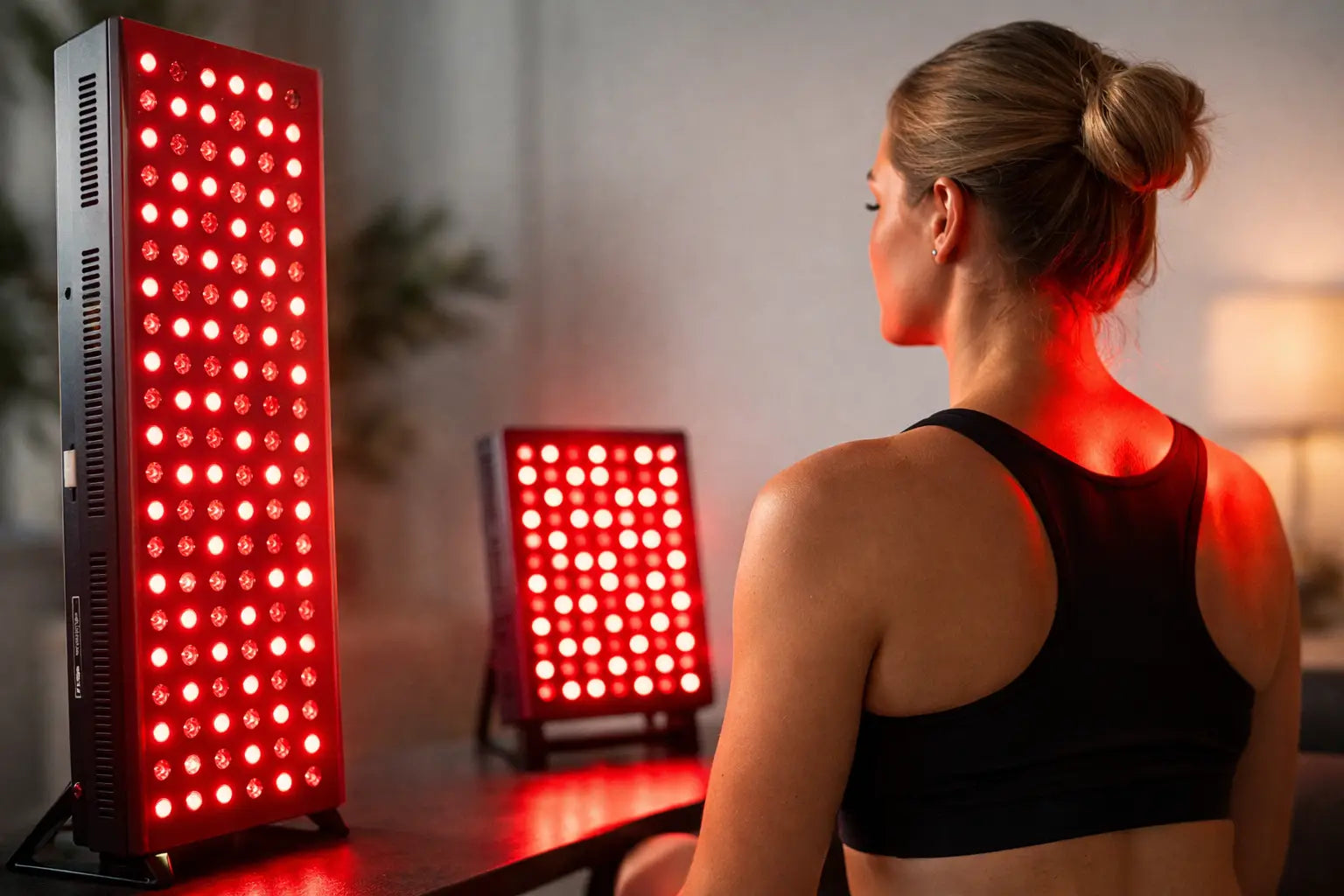
The core idea is simple. These panels emit specific wavelengths of red and near-infrared light that are commonly used for skin support, muscle recovery, and general wellness routines. Red light typically targets more surface-level concerns, while near-infrared light reaches deeper tissue. That combination is why full-body and half-body panels have gained traction with athletes, busy professionals, and tech-forward home users who want efficient sessions without booking appointments.
That said, this is not magic. Results vary based on consistency, device quality, treatment distance, and the reason you are using it in the first place. If you expect one 10-minute session to change everything, you will probably be disappointed. If you treat it like part of a broader routine, expectations usually become much more realistic.
How red light therapy panels work in real life
The science behind light exposure can get technical fast, but the buyer experience is more straightforward. You stand or sit in front of the panel at a recommended distance for a set number of minutes, usually several times per week. Some people use these sessions in the morning as part of a wake-up or recovery routine. Others use them after workouts or in the evening when they are winding down.
The big advantage over smaller devices is coverage. A compact panel may work well if your main interest is facial skin support or one targeted area like a knee or shoulder. Larger panels make more sense when you want to cover more of the body in less time. That efficiency matters more than many first-time buyers realize. A device that feels inconvenient often ends up unused, even if the specs look solid on paper.
Heat is another point that gets misunderstood. Red light therapy panels can feel warm, but they are not supposed to function like a traditional heat lamp or sauna. The value is in the light output and wavelength profile, not in trying to blast you with heat. If a buyer confuses warmth with performance, it becomes easier to choose the wrong product for the wrong reason.
What specs actually matter
This is where premium buyers should slow down. The market is crowded, and product pages can look similar even when performance is not.
Wavelengths matter first. Many panels feature red light around 660nm and near-infrared light around 850nm because those are widely used ranges. Some models include multiple wavelengths, which can be appealing if you want a broader approach. More is not always better, but a well-designed multi-wavelength setup can be a strong feature when supported by credible performance data.
Irradiance matters too, although it is often presented in ways that confuse shoppers. In simple terms, irradiance refers to how much light energy reaches a given area at a certain distance. A panel can have a long list of LEDs and still disappoint if the usable power at treatment distance is weak. That is why panel size alone is not enough.
Build quality is another major factor. Cooling, housing materials, controls, mounting options, and timer functionality all affect the ownership experience. If you plan to use a panel several times a week, you will appreciate thoughtful hardware design more than flashy marketing language. Quiet operation, stable stands, and intuitive settings matter because they reduce friction and help the device become part of your routine.
Finally, consider treatment area. A desktop panel and a full-height panel serve very different buyers. One supports targeted sessions with a smaller footprint. The other is closer to a dedicated wellness station. Neither is automatically better. The right choice depends on your goals, room layout, and how committed you are to frequent use.
Choosing the right red light therapy panels for your goals
If your focus is skincare, a smaller panel may be enough, especially if you want to target the face, neck, or hands. It gives you easier placement, lower cost, and simpler storage. That can be the smartest entry point for someone who wants quality without overcommitting on size.
If your priority is workout recovery, muscle soreness, or larger treatment zones, stepping up to a medium or large panel usually makes more sense. Broader coverage saves time and makes the product feel more like a serious performance tool. For home gym users and active households, that upgrade often pays off in convenience.
If you are aiming for a premium whole-body setup, full-size panels are the most compelling option. They create a more immersive session and can feel more in line with the kind of advanced home wellness environment many high-intent shoppers want. The trade-off is obvious - higher cost, more space required, and a stronger need for reliable mounting or positioning.
That trade-off is worth respecting. Bigger is attractive, but only if you actually have room for it and plan to use it enough to justify the footprint. A panel that dominates a room without fitting your routine becomes expensive decor.
Where buyers go wrong
One common mistake is buying based only on LED count. A panel with more LEDs is not automatically more effective if beam angle, wavelength mix, and output are poorly optimized. Another mistake is ignoring setup. If you do not have a clear place to mount, lean, or position the unit, daily use gets annoying fast.
Some buyers also chase the cheapest option in a category where quality control matters. That can mean weaker construction, less confidence in the published specs, and a shorter product lifespan. In a premium tech lifestyle category, that is usually the wrong place to cut corners.
There is also the issue of expectations. Red light therapy is best viewed as a consistency-driven tool, not a one-week transformation. The best panels support that consistency by making sessions feel easy, repeatable, and worth keeping in your rotation.
How to fit a panel into a modern home setup
One reason this category fits so well with a retailer like Your Tech Haven is that it appeals to the same buyer mindset behind premium desks, makerspace gear, simulator rigs, and performance furniture. The customer is not just buying products. They are building an environment around better experiences.
A red light panel can live in a home gym, a recovery corner, a bedroom, or a dedicated wellness room. What matters is access. If the panel is easy to reach and simple to use, it has a much better chance of becoming part of your week. If it requires moving furniture, hunting for outlets, or awkward balancing every time, the novelty fades.
This is also where form factor matters as much as specs. Wall-mounted designs can look clean and intentional. Freestanding options offer flexibility if you are still evolving the space. Smaller tabletop panels work well for buyers who want performance without giving up square footage.
Is a red light therapy panel worth it?
For the right buyer, yes. If you value at-home wellness tech, want a more serious alternative to tiny beauty devices, and are willing to use it consistently, a good panel can be a smart addition. It brings convenience, repeatability, and a more professional-feeling experience to daily wellness.
If you are unsure whether you will use it more than once a month, the answer gets less clear. In that case, starting smaller may be the smarter move. The best purchase is not always the largest or most expensive option. It is the one that fits your habits well enough to stay in use.
The real win with this category is not owning impressive hardware. It is creating a setup that supports how you want to feel and perform day after day. Choose with that in mind, and your panel becomes more than another gadget on the shelf.