Racing Simulator Seat Review Guide
A sim rig can have a great wheel, sharp pedals, and a powerful display setup, then still feel wrong the second you sit down. That is why any serious racing simulator seat review has to start with the part most buyers underestimate: your body is the final connection point in the entire system. If the seat shifts under braking, pinches your shoulders, or leaves your lower back cooked after 40 minutes, the rest of the build never gets to show its full potential.
For casual driving, almost any seat can seem acceptable at first. For real consistency, long sessions, and a setup that feels worth the investment, seat quality matters a lot more than many first-time buyers expect. The right seat improves comfort, sure, but it also improves focus, pedal control, immersion, and how confident the whole cockpit feels.
What a racing simulator seat review should actually measure
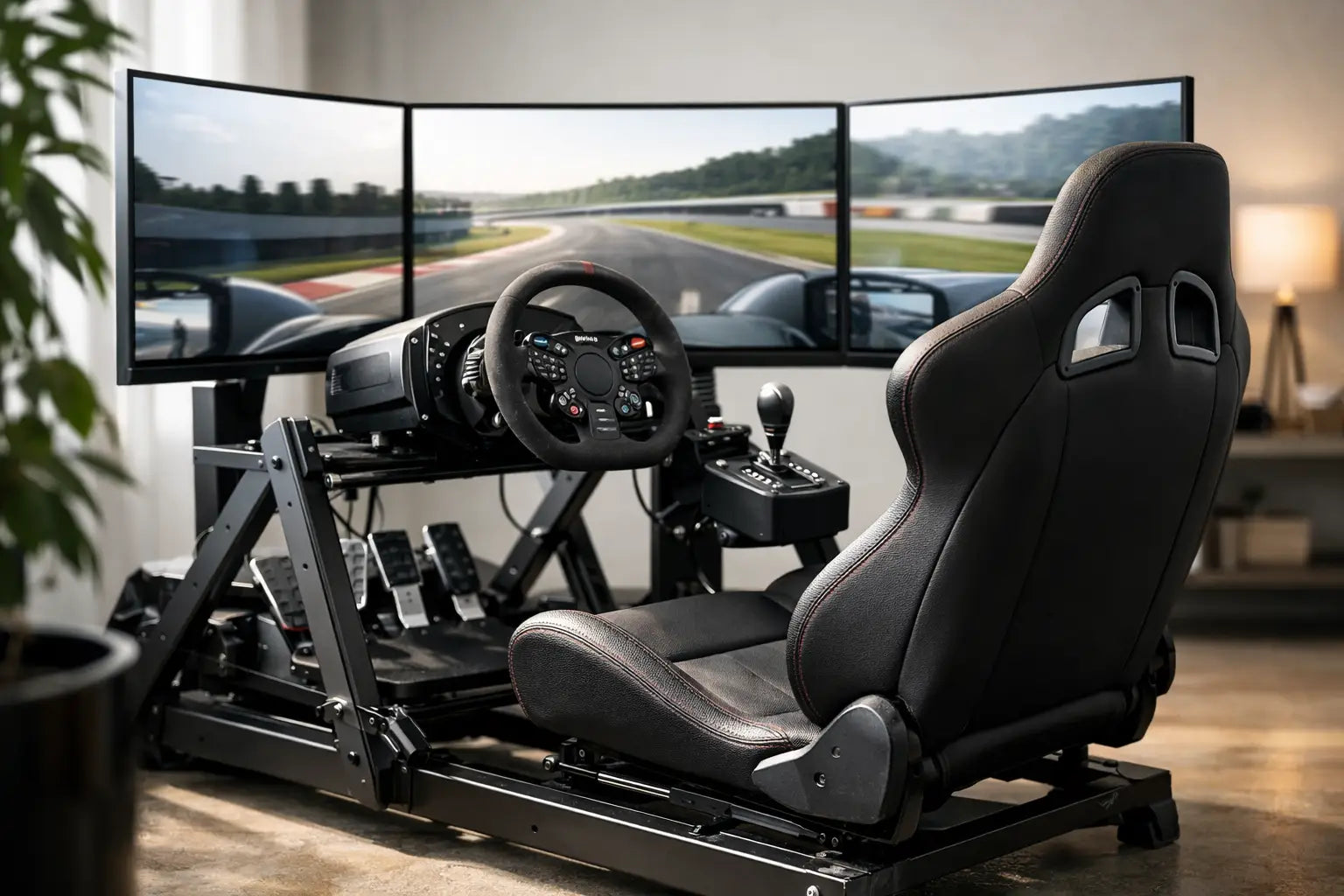
The biggest mistake in this category is treating the seat like a cosmetic add-on. It is not just about whether it looks like a GT bucket or matches the frame finish. A proper evaluation starts with structure, because flex changes the experience immediately. Under hard braking, weaker seats or poor mounting designs can introduce movement that makes pedal inputs feel less precise.
Comfort is the next layer, but comfort is not universal. A heavily bolstered seat may feel incredible for one driver and restrictive for another. Wider users may want a more forgiving shell or flatter side support, while slimmer drivers may prefer a tighter fit that locks them in during intense sessions. Padding density also matters. Softer is not always better. Seats that feel plush in the first five minutes can become tiring if the foam compresses too much and fails to support your posture.
Then there is adjustability. Fixed-back seats tend to feel more rigid and performance-focused, which is great for drivers chasing an authentic motorsport-style position. Reclining seats offer more flexibility for shared setups, hybrid gaming spaces, or users who spend hours in front of a rig beyond racing alone. Neither approach is automatically better. It depends on whether your priority is maximum stability or more everyday versatility.
Racing simulator seat review: comfort versus control
This is where buyers usually have to make a real decision. The most aggressive-looking seat in the category is not always the best one to own. Deep side bolsters, narrow shoulder sections, and race-inspired contours can look fantastic in product photos, but they can also make entry and exit annoying, especially in compact rooms or for users who race daily.
On the other hand, a flatter or more generously sized seat can be easier to live with while giving up some of that locked-in sensation. If you run high-force braking and enjoy endurance sessions, too much freedom in the seat can become a drawback. You want enough support to keep your torso stable without feeling trapped.
The sweet spot for many home users is a seat with medium-firm cushioning, reliable lumbar support, and side bolsters that guide your posture rather than squeeze it. That balance tends to work well across GT, road, and mixed-use sim setups. It also makes more sense for buyers who are building a premium home experience, not a museum replica of a race car interior.
Build quality matters more than style
A seat can photograph beautifully and still disappoint after a month. This category rewards buyers who pay attention to materials, stitching, shell strength, and mounting compatibility. Fabric finishes often breathe better and stay more comfortable over longer sessions, while synthetic leather can deliver a cleaner, more premium showroom look and is usually easier to wipe down. Neither is the automatic winner. If your setup is in a warmer room, breathability becomes a bigger factor fast.
Frame and shell construction deserve close attention too. If the seat base feels underbuilt, you may notice creaks, subtle rocking, or reduced confidence when using load cell pedals. That kind of movement chips away at the premium experience. A well-made seat should feel planted, not decorative.
This is especially important for direct drive users. Once force feedback gets stronger, weak points in the rig become much easier to notice. The seat does not need to be overbuilt for everyone, but it does need to feel like it belongs in the same performance tier as the rest of your setup.
Fit is the part most reviews miss
A lot of buyers read a racing simulator seat review hoping for one universal answer, but seat fit is personal in a way that wheelbases and monitors are not. Height, shoulder width, hip width, and preferred driving angle all affect whether a seat feels premium or frustrating.
If you are taller, pay attention to shoulder support height and overall backrest shape. A seat that fits an average-height user well can feel awkward if the shoulder wings sit too low. If you are broader through the torso or hips, narrow racing shells may look exciting but become uncomfortable quickly. Buyers sharing a rig with a partner or family member should think carefully before choosing a highly restrictive bucket seat.
This is where expert-guided shopping makes a real difference. Dimensions, mounting style, and intended use tell you much more than marketing photos alone. In a premium category, good fit is not a bonus. It is part of the value.
Fixed-back or reclining seat?
For dedicated sim racers, fixed-back seats often make the strongest case. They usually provide better rigidity, a more focused driving posture, and a cleaner motorsport feel. If your setup is permanent and performance-driven, this style often feels like the right long-term move.
Reclining seats make sense when your rig serves multiple purposes or when comfort flexibility matters as much as lap times. They are often more inviting for users transitioning from office chairs or console seating, and they can be easier for mixed households. The trade-off is that some reclining designs introduce a little more movement compared to a rigid fixed shell.
That does not make reclining seats bad. It just means they shine in a different type of setup. If your goal is a polished home gaming environment with strong comfort and broad usability, a quality reclining seat can be a smarter buy than an ultra-aggressive bucket.
How the seat changes the whole rig
A premium racing seat does more than improve posture. It changes how every other component feels. Better body support can make load cell pedals easier to modulate because you are not bracing awkwardly. It can make force feedback feel more coherent because your torso stays planted. It can even improve concentration because physical discomfort is no longer taking up mental bandwidth.
This is why experienced sim racers often talk about their cockpit as a system, not a collection of separate parts. The seat plays a central role in that system. A weaker seat can bottleneck an otherwise excellent build. A strong one can make the rig feel more expensive, more immersive, and more rewarding to use every night.
For buyers investing in a complete home performance setup, this is exactly the kind of upgrade that delivers value beyond specs. It makes the experience feel intentional.
Who should spend more on a racing simulator seat review short list
Not everyone needs the same level of seat. If you race occasionally on weekends with a modest wheel and standard pedals, you may not need the most rigid option available. But if you are building around direct drive hardware, load cell pedals, triple monitors, or a full-featured cockpit, stepping up in seat quality is usually money well spent.
You should also consider spending more if you run long sessions, care about realistic driving position, or want a setup that feels like a true centerpiece in your game room. Premium seats are rarely only about appearance. The better ones justify the price with support, durability, and a more confidence-inspiring structure.
For many shoppers, the right buy is not the most extreme product. It is the one that best matches the rest of the rig and the way the setup gets used. That is where a curated retailer like Your Tech Haven fits naturally. A strong selection matters, but so does having enough guidance to choose equipment that works together instead of chasing features in isolation.
What to look for before you buy
Before choosing a seat, think about your body size, how often you race, whether others will use the rig, and how aggressive your pedal and wheel setup will be. Those four factors do more to narrow the field than flashy branding. Mounting compatibility should be checked carefully too, because even a great seat becomes a headache if it does not integrate cleanly with your cockpit.
Also be honest about your room and routine. If the rig sits in a shared living area, easier access and broader comfort may matter more than a track-day aesthetic. If the setup is a dedicated performance space, a firmer fixed-back design may be exactly the move.
The best seat is the one that makes you want to get back in the rig, push for one more lap, and enjoy the full value of the technology around you. When a seat gets that right, it stops feeling like an accessory and starts feeling like the foundation of the experience.