Are Electric Bikes Worth It? Honest Answer
You feel it the first time you ride one up a hill you used to dread. The climb is still there, the effort still counts, but the usual sweat-soaked grind turns into something fast, quiet, and genuinely fun. That is why so many shoppers ask, are electric bikes worth it? For plenty of riders, the answer is yes - but only if the bike matches how and where they actually ride.
E-bikes sit in that sweet spot between practical transportation and premium lifestyle tech. They can replace car trips, stretch your weekend range, and make daily riding more realistic if your route includes hills, traffic, or longer distances. At the same time, they cost more upfront than a standard bicycle, and not every rider needs the extra power. The real question is not whether e-bikes are good in general. It is whether the value shows up in your routine.
Are electric bikes worth it for everyday use?
If you plan to ride often, an electric bike can earn its keep surprisingly fast. Commuters usually see the clearest value. A good e-bike can cut down on gas costs, parking fees, rideshare spending, and the general hassle of getting across town. If you live in a city or suburban area where many trips fall in the short-to-medium range, the convenience alone can be a serious advantage.
It also changes the kind of rider you can be on an average Tuesday. A traditional bike commute sounds great until you factor in heat, hills, a backpack, or showing up to work looking like you just finished a race. Pedal assist smooths that out. You still move, you still ride, but the experience becomes more usable for real life.
For recreation, the value depends on how much more often an e-bike gets you outside. Some riders go farther, explore more terrain, and ride with stronger friends or family members because the motor levels the field a bit. That matters. A product is worth more when it increases how often you actually use it.
Where the value comes from
The strongest case for an electric bike is not just speed. It is access. E-bikes remove friction from riding in ways that matter every day.
First, they make difficult routes manageable. Hills, headwinds, and longer distances stop being dealbreakers. Second, they expand who can ride comfortably. That includes older adults, people returning to cycling, riders recovering from injury, and anyone who wants support without giving up movement. Third, they make replacing short car trips much more realistic, especially for errands, quick commutes, or neighborhood runs.
There is also the tech appeal, and for the right buyer that is not a small thing. E-bikes combine mobility with smart design, battery systems, drive units, and purpose-built frames. For shoppers who already invest in performance gear, home entertainment, or enthusiast-level equipment, an e-bike feels less like a basic bike purchase and more like a meaningful upgrade to daily life.
The cost question: are electric bikes worth it at current prices?
This is where hesitation usually starts. E-bikes are not cheap, especially if you are shopping for a quality model from a recognized brand. But price only tells part of the story.
A bargain e-bike can be tempting, yet lower-end models often cut corners on battery quality, brakes, frame design, and long-term reliability. That can lead to a frustrating ownership experience and erase the savings you thought you were getting. Premium models cost more because the ride quality, motor response, component quality, and safety tend to be better. They also tend to hold up better over time.
If you are comparing an e-bike to a regular bicycle, yes, the electric option is a bigger investment. If you are comparing it to a second car, daily ride-hailing, or even frequent parking and fuel costs, the math can look very different. Riders who use their e-bike several times a week usually feel the value much sooner than occasional riders.
Battery replacement is another factor worth being honest about. Batteries do not last forever, and replacing one is a real ownership cost. That said, modern batteries can last for years with normal use and proper care. Charging costs are minimal compared with operating a car, and routine maintenance is often still lower than many other transportation options.
When an e-bike is absolutely worth it
An electric bike makes the most sense when it solves a real problem or unlocks a habit you want to keep.
If your commute is just long enough to feel annoying by car and a little too ambitious on a regular bike, an e-bike is often a sweet spot. If your neighborhood is hilly, the motor assistance can be the difference between riding regularly and not riding at all. If you want more outdoor time without turning every ride into a workout, the value is easy to see.
They are also worth a close look for couples or families with mixed fitness levels. E-bikes help people ride together more comfortably, which often means more shared trips and fewer excuses to stay home. For many buyers, that lifestyle benefit matters just as much as the transportation angle.
And if you are a tech-forward shopper who values performance, convenience, and gear that improves your day-to-day routine, an e-bike fits naturally into that mindset. This is not novelty tech. In the right use case, it is functional, premium, and genuinely useful.
When an electric bike may not be worth it
Not every rider needs one, and that is part of being smart about the purchase.
If you only ride a few times each summer on flat recreational paths, a standard bike may be plenty. If you have a very short trip, secure parking is limited, or local riding conditions are poor, the return on investment may be weaker. The same goes if you are buying one mainly because it looks exciting but do not have a realistic use case in mind.
Storage matters too. E-bikes are heavier than traditional bikes, which can be inconvenient if you need to carry one upstairs or fit it into a tight apartment setup. And while they are easy to ride, they still require maintenance, charging, and a little ownership discipline.
There is also the reality that not all e-bikes are equal. A poorly chosen model can feel bulky, underpowered, or mismatched to your terrain. The wrong e-bike can make a good category seem disappointing.
How to decide if an e-bike fits your lifestyle
Think less about the category and more about your pattern. How many days a week would you ride if hills, distance, or fatigue were less of an issue? How often could you replace a car trip, skip parking headaches, or turn a chore into a quick ride? If the answer is often, the value starts building quickly.
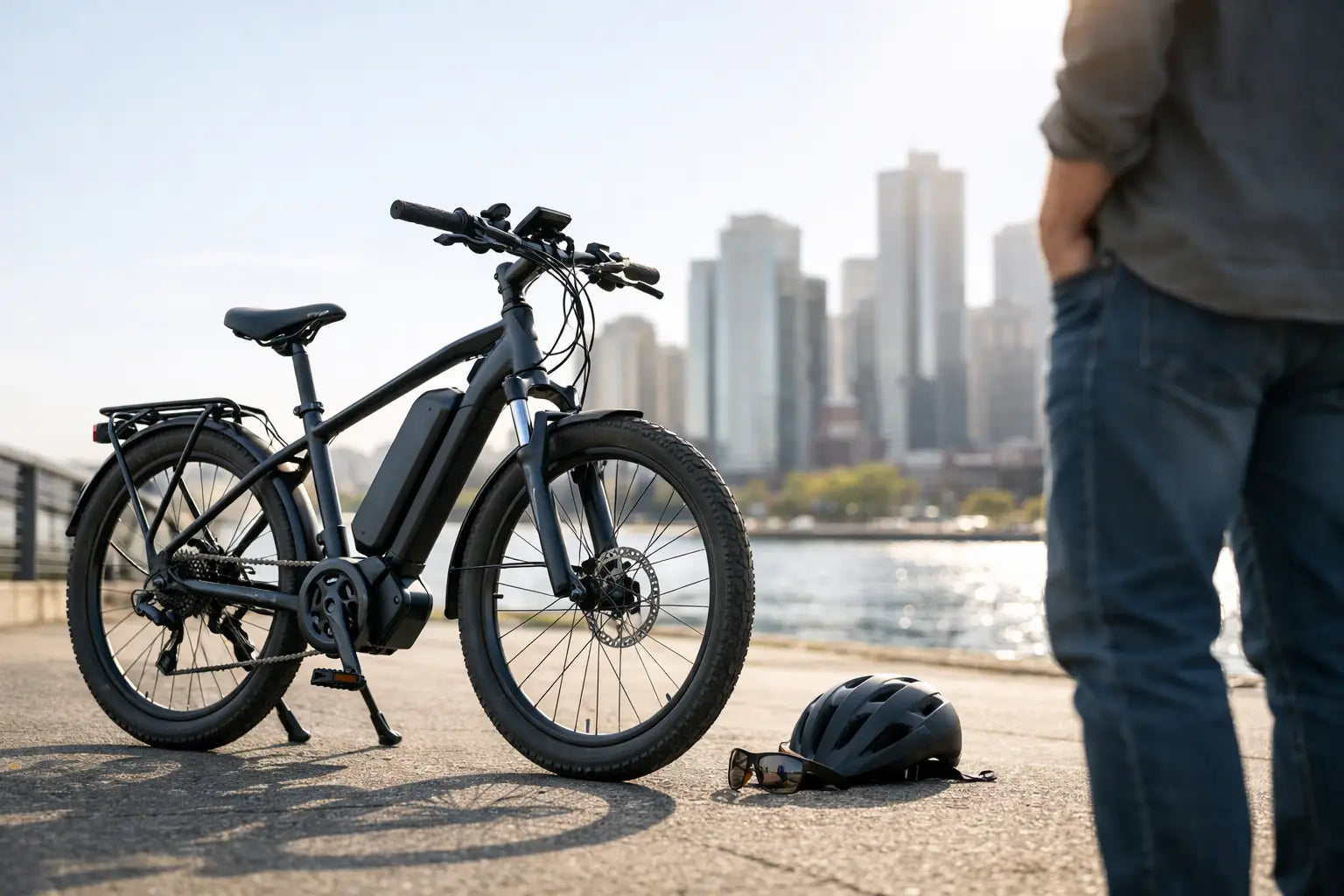
It also helps to get specific about your use case. A commuter has different needs than a trail rider. A compact setup for urban riding is different from a fat-tire model built for mixed terrain and weekend adventure. Range, motor feel, riding position, cargo options, and frame style should all match your actual routine, not just your wishlist.
This is where buying from a retailer that understands enthusiast gear matters. If you are already investing in premium lifestyle tech, you probably do not want generic advice or a race to the bottom on price. You want a bike that fits your goals and support that makes the purchase feel solid. That is the kind of decision-making process that turns a big-ticket item into a high-satisfaction one.
So, are electric bikes worth it?
For riders who want to commute more easily, ride farther, handle hills without dread, or make cycling a bigger part of daily life, yes, electric bikes are worth it. They are especially compelling when you treat them as a practical upgrade rather than an impulse buy. The more often you ride, the more the investment makes sense.
For occasional riders with simple needs, a traditional bike may still be the better call. There is no shame in that. The smartest purchase is the one that fits your life, not the one with the most features.
If an e-bike helps you move more, drive less, and enjoy the ride enough to keep coming back to it, that is where the value becomes obvious. The best tech does not just impress you on day one. It keeps proving itself every week after.