How to Choose Red Light Therapy Device
A red light panel can look futuristic and impressive on a product page, but once you start comparing specs, sizes, and claims, the category gets crowded fast. If you are trying to figure out how to choose red light therapy device options for your home, the smartest move is to start with your actual goal, not the flashiest design or the longest feature list.
Some buyers want a compact device for facial use and skin-focused routines. Others want deeper coverage for muscle recovery, joint comfort, or full-body sessions after training. Those are very different use cases, and the right device for one can be a poor fit for the other. A better buying process is less about chasing hype and more about matching performance, footprint, and budget to the way you will really use it.
How to choose red light therapy device types
The first decision is form factor. This shapes everything from treatment area to convenience.
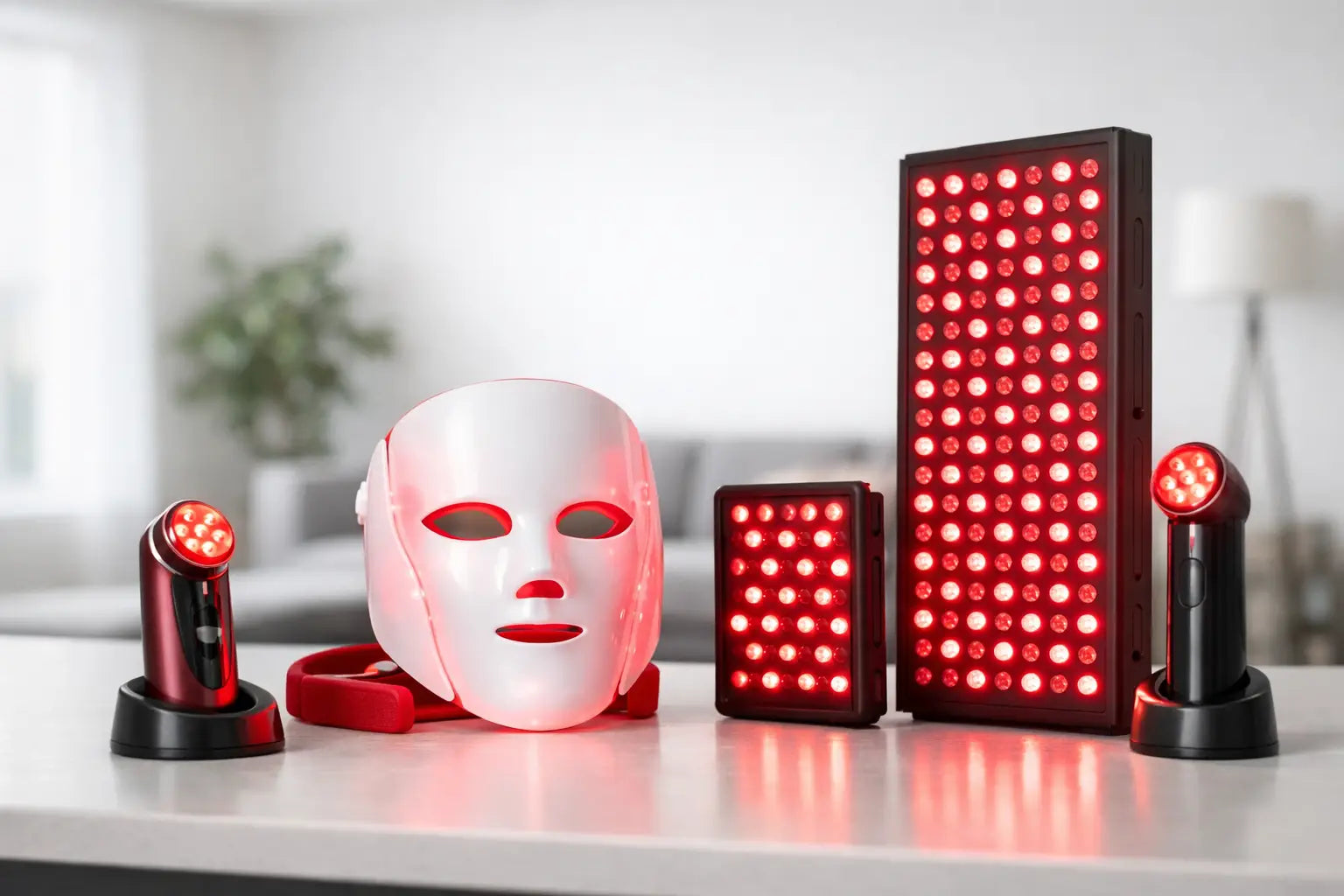
Small handheld units are easy to store and cost less, which makes them appealing for first-time buyers. They can work well for targeted areas like the face, hands, knees, or shoulders. The trade-off is time. If you want to treat larger zones, a small device often means longer, more repetitive sessions.
Mask-style devices are designed for facial routines. They are usually chosen by shoppers focused on skin appearance, fine lines, or convenience. Their strength is simplicity. Their limitation is obvious: they are specialized, not flexible, and they will not replace a panel if you also want broader body coverage.
Panels are the category many enthusiasts graduate toward because they offer more output and a larger treatment area. A tabletop panel can suit someone targeting the upper body or a few recurring trouble spots. A larger standing or mounted panel makes more sense for buyers who want a premium setup and expect to use it consistently for recovery or wellness routines. Panels usually ask for more space and a higher upfront investment, but they can be far more efficient if your goal extends beyond one small area.
Beds and oversized systems exist too, but for most home buyers, they are more luxury purchase than practical necessity. Unless you are building a dedicated wellness room and know you want full-body coverage at scale, they are rarely the best starting point.
Start with your treatment goal
Before comparing specs, define what success looks like. That will narrow the field quickly.
If your focus is skin appearance, you will probably care most about facial compatibility, comfort, and ease of regular use. A mask or compact panel may be enough. If your focus is post-workout recovery, soreness, or larger body zones, coverage and power become much more important. If you want one device that can support multiple goals, a medium or large panel often gives you the most flexibility.
This is where many shoppers overspend or undershoot. Buying a tiny device for full-body ambitions usually leads to frustration. Buying a large premium panel for occasional facial sessions can be overkill. The better fit is the one that supports your routine without adding friction.
Wavelengths matter, but they are not the whole story
One of the biggest parts of learning how to choose red light therapy device models is understanding wavelengths without getting buried in jargon.
Most red light therapy products highlight red light in the mid-600 nanometer range and near-infrared light in the mid-800 nanometer range. In plain terms, red light is commonly associated with more surface-level applications, while near-infrared is often chosen for deeper tissue targets. Many premium devices combine both, which is a strong option for buyers who want broader versatility.
What you should not do is assume that more wavelength options automatically means a better device. If a product lists several numbers but gives little context on output, treatment distance, or real use case, that extra complexity may not help you. For many home users, a proven red and near-infrared combination is more useful than a long spec sheet that sounds advanced but does not translate into a better experience.
Check power and irradiance carefully
This is where serious shoppers separate marketing from real performance. Power matters because it affects how efficiently the device can deliver light at a usable distance.
You will often see brands mention irradiance, which describes the intensity of light reaching a surface at a certain distance. That distance matters a lot. A device can post a great number from two inches away and look less impressive at twelve inches, where many people will actually use it. When comparing products, try to evaluate numbers at similar distances rather than taking isolated claims at face value.
Higher output is not automatically better for every buyer, but weak output can turn sessions into a chore. A well-built panel with solid irradiance and a realistic treatment distance usually offers a better long-term experience than a cheaper device that requires very close positioning and extended sessions.
This is one of those areas where premium products can justify their price. Better engineering, cooling, build quality, and consistency often show up here, not just in aesthetics.
Coverage is a lifestyle feature, not just a size spec
A lot of buyers focus on dimensions without thinking through usage. Coverage determines how much of your body you can realistically treat in one session.
If you want to use red light therapy as part of a morning face routine, small coverage is fine. If you picture using it after lifting, cycling, or long desk days, broader coverage is much more valuable. A medium panel can often hit several use cases without dominating a room. A larger panel suits buyers who want a more complete setup and do not want to keep repositioning the device.
Think about your space, too. A device that performs well but is awkward to mount or store tends to get used less. The best choice fits both your wellness goals and your room layout.
Safety and build quality should feel reassuring
A red light therapy device is not just another gadget you toss in a drawer. It is an at-home wellness product you will use close to your body, often for months or years. That makes build quality worth taking seriously.
Look for clear safety information, straightforward instructions, and construction that feels durable rather than disposable. Cooling systems, stable stands or mounting options, and quality materials all affect day-to-day satisfaction. Eye protection guidance should also be easy to find. Some devices are designed for use with goggles, while others provide recommendations depending on treatment area and session type.
If the product page is vague about safety, certification, or usage guidance, that is a sign to slow down. Confidence comes from clarity.
Features that actually improve the experience
Not every feature is worth paying for, but some can make a premium device much easier to live with.
Built-in timers are genuinely useful because they make sessions more consistent. Adjustable intensity can help if multiple people in the household will use the device or if you want more control over comfort and routine. Stands, door mounts, or pulley systems can be major advantages depending on where you plan to use the panel.
On the other hand, app-heavy features are only valuable if you will use them. For some buyers, a clean manual interface is better than extra connectivity they do not need. Choose features that support consistency, because consistency is what turns a product into part of your routine.
Budget: buy for the routine you want in six months
There is a place for entry-level devices, especially if you are testing the category. But there is also a pattern many experienced shoppers recognize: buying too small or too weak can lead to upgrading sooner than expected.
A lower-cost device may be enough if your needs are narrow and your expectations are realistic. If you already know you want regular use, better coverage, and stronger performance, stepping into a higher-quality panel can be the smarter value play. The best purchase is not always the cheapest one. It is the one that still feels right after the novelty wears off.
That is especially true for shoppers who already invest in high-performance gear across fitness, gaming, recovery, and home tech. If you care about design, output, and long-term usability, it makes sense to buy with those standards in mind.
The best way to choose with confidence
If you are still narrowing the field, keep it simple. Decide whether you need targeted treatment or broader coverage. Choose a form factor that fits your space. Look for red and near-infrared capability if you want versatility. Compare irradiance at realistic distances, not just headline numbers. Then weigh build quality, safety, and features against how often you will actually use the device.
That approach usually leads to a better decision than shopping by trend alone. At Your Tech Haven, that is how future-ready wellness tech should feel - exciting to own, easy to understand, and strong enough to earn a place in your everyday setup.
The right red light therapy device should not just look advanced. It should fit your goals so well that using it feels like the obvious next step.