Best Cold Plunge Tub for Athletes
The difference between a cold plunge that gets used every day and one that turns into an expensive backyard accessory usually comes down to one thing - fit. Not just body fit, but training fit, space fit, and routine fit. If you're shopping for the best cold plunge tub for athletes, the real question is not which model looks the most intense on social media. It is which one helps you recover consistently without turning setup, sanitation, and temperature control into a second workout.
Athletes tend to buy cold plunge tubs with a performance mindset, which makes sense. You want lower friction in your recovery routine, reliable cooling, and enough room to get in comfortably after a hard lift, long run, or competition block. But there is a trade-off here. The coldest tub is not always the smartest buy, and the most premium system is not always the best match for your training volume or home setup.
What makes the best cold plunge tub for athletes?
For athletes, a cold plunge tub is not just a wellness accessory. It is recovery equipment. That means the buying criteria should look more like performance gear than patio furniture.
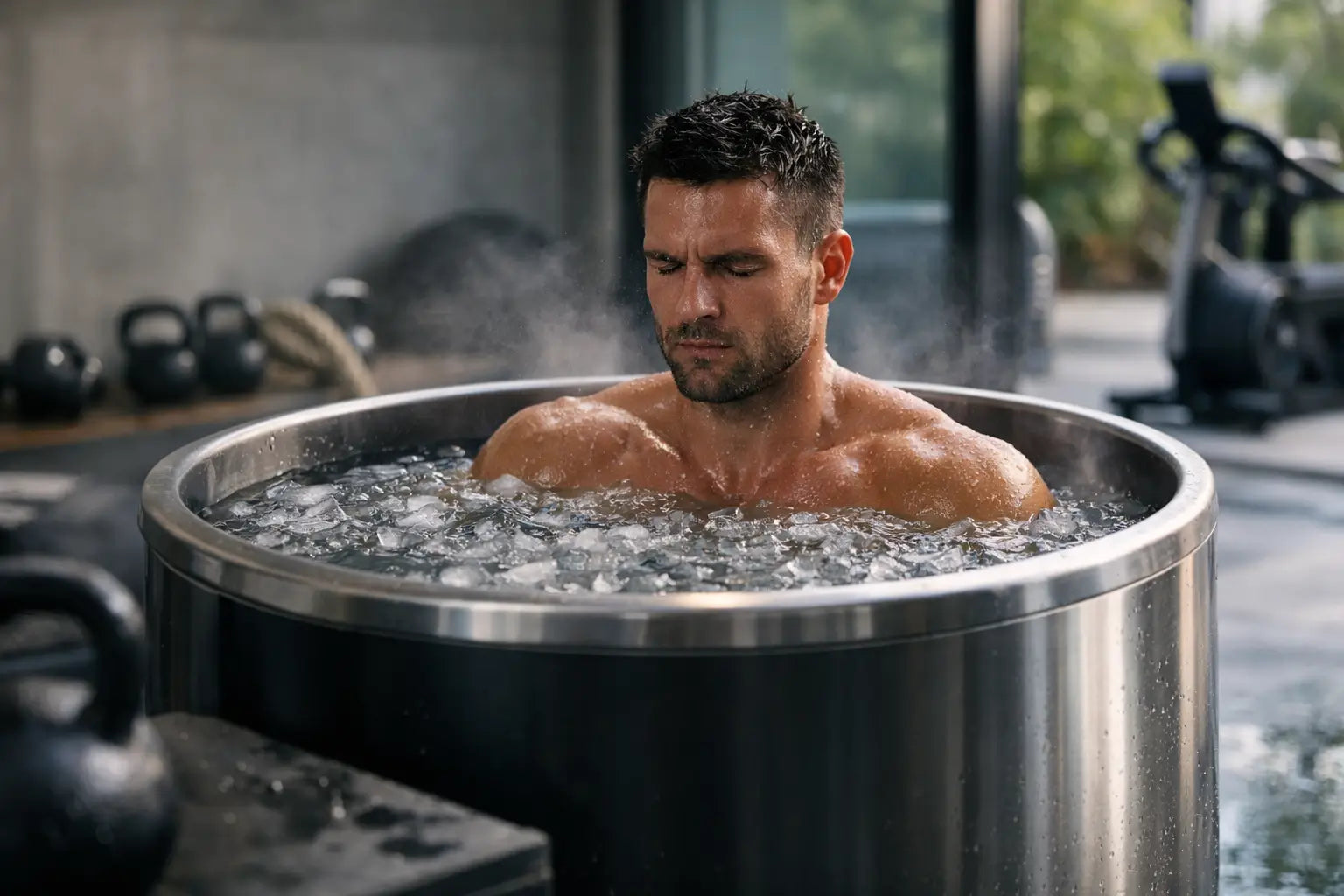
Start with temperature consistency. If a tub struggles to stay cold after repeated use, especially in a warm garage, home gym, or outdoor setting, it quickly becomes less useful. Athletes who train hard or share a plunge with a partner should prioritize active cooling systems over basic ice-only setups. Ice baths can work, but they demand more prep, more cleanup, and more guesswork. If convenience matters, and for most athletes it does, a tub with a built-in chiller is a major upgrade.
Size matters too, but not in the way many buyers assume. A bigger tub is not automatically better. You need enough interior space to sit with a comfortable bend in the knees and chest immersion that reaches an effective level. Beyond that, oversized tubs take up more room, require more water, and often cost more to cool. For taller athletes, legroom is a real issue. For everyone else, efficient dimensions often win.
Then there is durability. A cold plunge used by an athlete sees regular, hard use. It may live in a garage, on a patio, or in a training facility where it gets moved, splashed, and exposed to changing temperatures. Materials should feel stable and well-finished, not flimsy or temporary. Insulation also matters more than many first-time buyers realize. Better insulation means less strain on the chiller and lower energy waste over time.
Ice bath or powered cold plunge?
This is the first big decision, and it shapes everything else.
An ice bath setup is the lower-cost entry point. It can be effective if you're highly disciplined, do not mind buying or making ice, and only plunge occasionally. For athletes on a tighter budget or those testing whether cold exposure fits their routine, this option can make sense. The drawback is consistency. Water temperature varies, prep takes effort, and what sounds manageable in theory can get old fast during a packed training week.
A powered cold plunge tub is built for repeat use. It cools water on demand, often filters it continuously, and reduces the daily friction that causes people to stop using recovery tools. For serious athletes, that convenience is not a luxury feature. It is what keeps the tub relevant month after month. If your goal is regular use before or after training, especially multiple times per week, the powered route is usually the better long-term investment.
Key features worth paying for
The best cold plunge tub for athletes usually earns that label through everyday usability, not flashy extras.
A reliable chiller is the top priority. Look for a system that can reach and hold low temperatures without constant adjustments. Digital temperature control is especially useful because it removes the guesswork and helps you repeat the same protocol over time.
Filtration and sanitation come next. Clean water is not optional when the tub becomes part of your weekly recovery cycle. A model with built-in filtration and a straightforward sanitation process saves time and keeps maintenance from becoming a headache. Some systems need more hands-on upkeep than others, so it is smart to think beyond the spec sheet and consider what you will realistically maintain.
Insulation is another feature that pays off quietly. A well-insulated tub cools more efficiently, stays stable longer, and generally feels like a more premium piece of equipment. If the tub will live outdoors or in a non-climate-controlled space, insulation becomes even more valuable.
Portability may matter depending on your setup. Some athletes want a permanent installation near a home gym or sauna. Others need a lighter unit that can move between indoor and outdoor use. Neither is better across the board. It depends on whether you want a dedicated recovery station or more flexibility.
How athletes should match the tub to their training
Not every athlete uses cold therapy the same way, so the right tub depends on what your week actually looks like.
Endurance athletes often care about frequency and convenience. After long runs, rides, or hard conditioning work, the ability to step into cold water without prepping ice is a strong advantage. For this group, efficiency and repeatability matter more than oversized capacity or luxury styling.
Strength athletes may want a tub that fits a larger frame and feels easy to enter and exit when legs are already taxed. Stability, interior comfort, and overall build quality become more important here. If you lift heavy several days a week, an awkward entry height or cramped seating position gets old quickly.
Field sport and court sport athletes often benefit from a balance of durability and speed. If recovery windows are tight, the tub needs to be ready when you are. A powered setup with dependable cooling makes more sense than an occasional-use ice bath.
There is also an important recovery nuance here. Cold exposure can be useful for reducing soreness and helping you feel refreshed, but timing matters depending on your goals. Some athletes avoid immediate post-lift plunges during phases focused heavily on muscle growth adaptations. Others use cold therapy strategically after games, intense conditioning, or especially demanding training blocks. The tub is a tool, not magic. The best one is the one that supports your plan instead of replacing it.
Space, noise, and home setup realities
A cold plunge tub can look compact in product photos and still feel substantial once it arrives. Measure carefully, especially if the tub is going into a garage gym, small patio, or indoor recovery corner. Think about clearance around the unit, drainage access, and how close you want it to a power source.
Noise is another practical issue that gets overlooked. Chillers and filtration systems are not all equally quiet. If your plunge will sit near a living space, office, or shared backyard area, sound output matters. For some buyers, a quieter premium unit is worth the added cost simply because it fits home life better.
Climate matters too. In hot regions, a weak cooling system may struggle. In colder climates, outdoor use brings different maintenance concerns, especially around winter performance and freeze protection. The best cold plunge tub for athletes in Arizona may not be the same best choice for an athlete in Colorado or the Midwest.
Where premium value really shows up
This category has grown fast, which means there is now a wide spread between basic tubs and true enthusiast-grade systems. Premium models tend to justify their price in three ways: temperature stability, lower maintenance, and a better ownership experience.
That last part matters more than buyers expect. Easy controls, dependable build quality, solid insulation, and materials that feel made for daily use all add up. If a plunge is frustrating to maintain or inconsistent to operate, it loses value no matter how attractive the original price looked.
For shoppers building out a more complete home recovery setup, this is where curated retailers stand out. A store like Your Tech Haven fits naturally into that premium-performance lane because the buyer mindset is similar across categories. You are not just buying a product. You are building a higher-functioning home environment around training, recovery, and performance.
So which tub is best?
The honest answer is that the best cold plunge tub for athletes is the one that matches your training frequency, body size, available space, and tolerance for maintenance. If you want the lowest upfront cost and do not mind prep work, an ice-based setup can still do the job. If you want consistency, cleaner operation, and a recovery tool you will actually use throughout the year, a powered cold plunge with filtration and insulation is the stronger choice.
For most athletes shopping in the premium tier, the sweet spot is a tub with dependable active cooling, enough interior room for comfortable immersion, strong insulation, and maintenance that feels manageable on a busy schedule. That is the setup that turns cold therapy from a sometimes habit into part of a real recovery system.
Buy for the routine you will keep, not the one that sounds impressive. That is usually where the best results start.