How to Choose Home Arcade Games for Your Space
A great game room does not need a warehouse-sized footprint to feel unforgettable. The right home arcade games can turn an unused wall, finished basement, bonus room, or entertainment nook into the place friends and family naturally gather. The key is choosing a machine that fits the way you play, the people you host, and the space you actually have.
Arcade ownership is about more than chasing nostalgia. A well-chosen cabinet creates a ready-to-play experience that consoles and mobile games rarely match: stand up, hit start, and compete. Whether you are building a polished home theater, upgrading a dedicated game room, or adding a statement piece beside a racing simulator, the details matter.
Start With the Experience You Want
Before comparing screens, cabinet artwork, or game counts, decide what you want your arcade to do. Some buyers want a single iconic game that looks and feels close to the original. Others want a flexible multi-game machine that can keep a group entertained for hours. Neither approach is automatically better.
A dedicated cabinet is a strong choice when one title or series is the centerpiece of your vision. Think classic fighting games, pinball, retro sports, or an instantly recognizable driving game. These machines tend to deliver a more focused control layout and a more authentic visual identity. They also make a bigger design statement, especially in a room built around a favorite era of gaming.
Multi-game cabinets are better suited to households with different tastes. A broad library means one person can play a side-scrolling classic while another queues up a puzzle game, racer, or fighter later in the evening. The trade-off is that a large game count does not always mean every title offers perfectly original controls. If authenticity for one particular game is your priority, inspect the joystick, button arrangement, trackball, steering wheel, or light gun setup before you buy.
Match Home Arcade Games to Your Room
The machine has to fit through the door before it can become the star of the room. Measure the intended location, but also measure hallways, stair landings, elevators, and entryways. Full-size cabinets can be substantial, and the usable footprint is larger than the cabinet dimensions alone because players need room to stand, move, and watch.
For an arcade cabinet, leave enough open floor space for comfortable play and for someone to pass behind the player. For driving, air hockey, basketball, and multiplayer machines, plan even more clearance. A table-style game may have a lower visual profile, but it can occupy more floor area than an upright cabinet once chairs or standing players are included.
Ceiling height is another practical detail. Standard upright machines work in many rooms, while basketball-style games and tall marquee cabinets may need more vertical clearance. If your room doubles as a media space, consider sightlines as well. You do not want a tall cabinet blocking the TV, projector screen, or the clean view from your primary seating.
Noise deserves consideration, too. The soundtrack and button clicks are part of the fun, but a machine located beside a bedroom, home office, or shared wall should have adjustable volume. In an apartment or a late-night game room, that control can be the difference between a frequently used arcade and a machine you hesitate to turn on.
Choose a Cabinet Style That Fits Your Setup
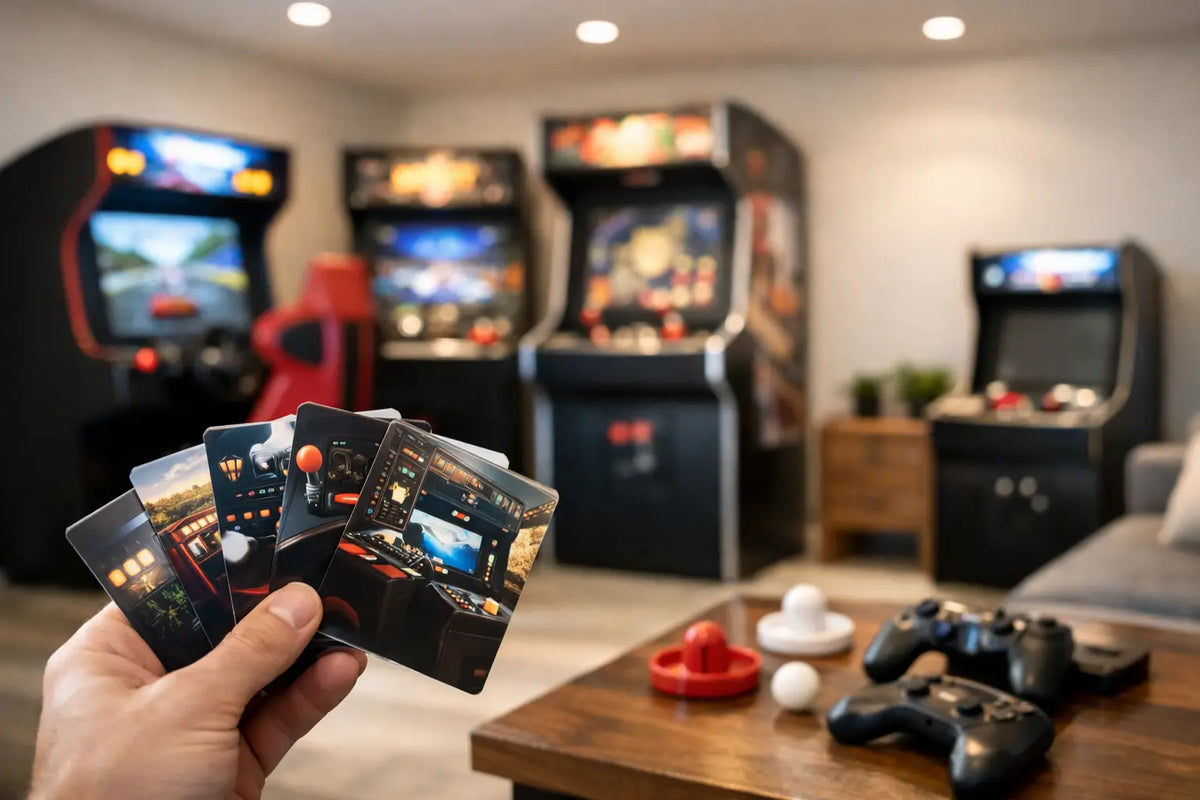
Upright cabinets are the classic game-room choice. They use vertical space efficiently, display bold artwork, and deliver the familiar stand-up arcade feel. They work especially well along a wall or as a pair framing a larger entertainment setup.
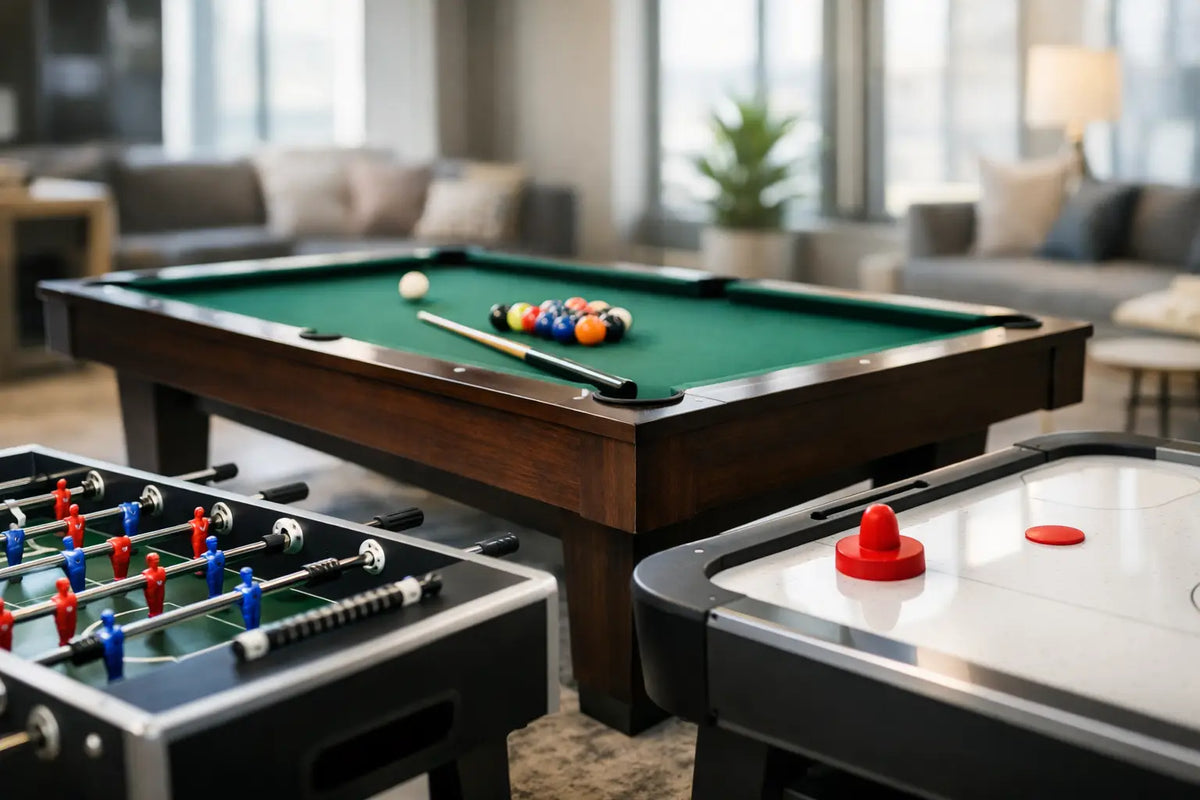
Cocktail and table-style cabinets bring a different energy. They can suit lounge areas, rec rooms, and multipurpose spaces where guests may prefer to sit while playing. These are ideal for certain retro titles, but not every game translates naturally to a horizontal table format.
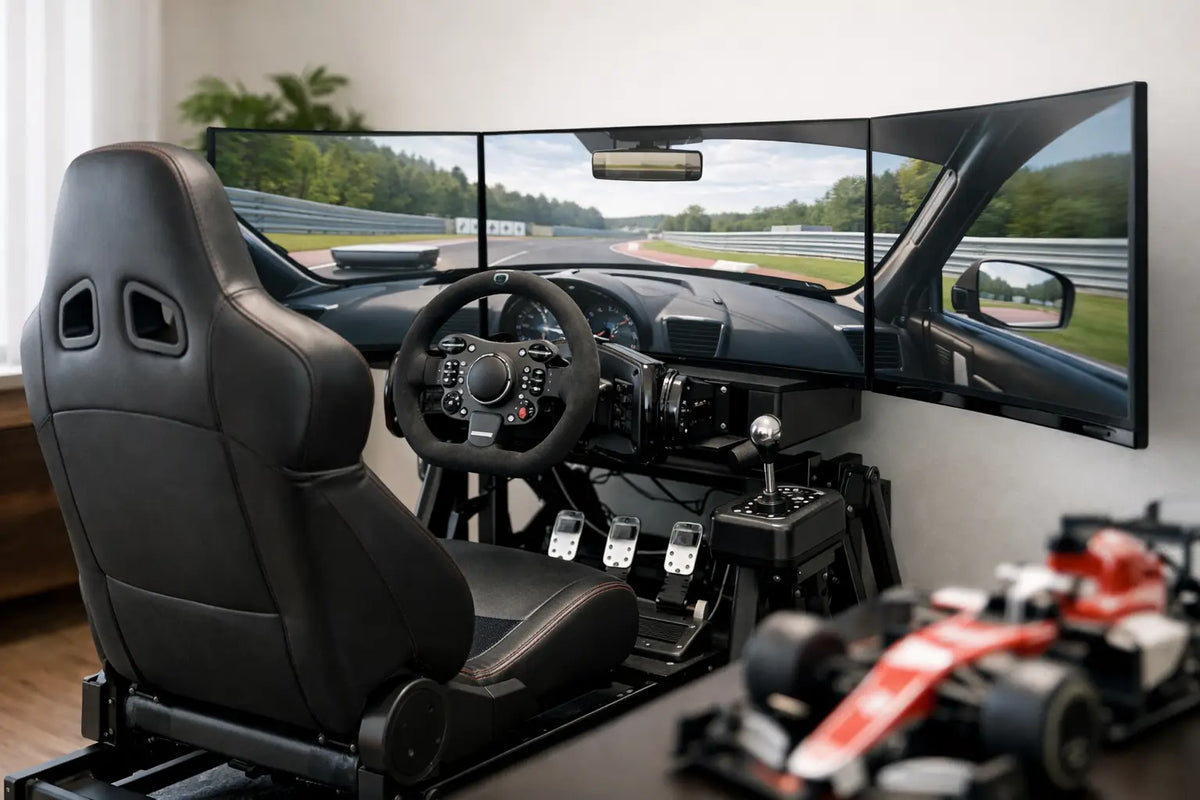
Sit-down racers create one of the most immersive experiences available for home entertainment. They are excellent for competitive households, car enthusiasts, and anyone already building a performance-focused gaming zone. Their larger footprint and specialized controls make them a more intentional purchase, but that is exactly why they can become the showpiece of the room.
Pinball machines deliver a tactile, mechanical kind of excitement that screens cannot duplicate. They demand more maintenance awareness than a simple digital cabinet, yet their physical action, sound, lights, and art reward owners with a collectible-grade centerpiece.
Look Beyond the Game Count
“Thousands of games” is an attention-grabbing claim, but it is not the only number worth considering. Game selection should align with the people who will actually play. A family may get more value from approachable sports, racing, and cooperative titles than from a huge library of obscure arcade releases. A competitive group may care most about responsive fighting-game controls and two-player spacing.
Screen quality shapes the experience more than many first-time buyers expect. Look for a bright display with good viewing angles, especially if the machine will be used at parties. Older games were designed around specific screen formats, so stretching every title to fill a modern display can affect the look. A quality cabinet should present games cleanly without making classic artwork and sprites feel distorted.
Controls are equally important. Buttons should feel responsive, joysticks should return smoothly to center, and player stations should have enough room to avoid elbow collisions. If the cabinet includes specialty games, make sure the specialty hardware is present. A trackball game is more satisfying with a proper trackball, just as a driving game feels more convincing with a wheel and pedals than with a generic joystick.
Also consider startup simplicity. The best home entertainment gear invites people to use it. A clear menu, reliable power-on behavior, and uncomplicated game selection matter when guests want to play immediately. A cabinet that looks impressive but feels confusing will not earn as much playtime as one with an intuitive interface.
Build for Multiplayer, Not Just Solo Play
Arcades shine when they create friendly competition. Even if you are buying for yourself, consider how many people can play at once and how comfortably they can share the machine. Two-player upright cabinets are a natural fit for fighting games, cooperative brawlers, and classic sports titles. Four-player designs can be exceptional for family gatherings, but they need enough width and room clearance to justify the larger cabinet.
A smart game room often balances one marquee arcade machine with a second activity. Pair an upright cabinet with a game table, pinball machine, or racing setup so guests have options between rounds. This approach also keeps one popular machine from becoming a bottleneck during a party.
For a more elevated setup, coordinate the cabinet with the room rather than treating it as an afterthought. Match the lighting, seating, wall art, and flooring to the energy you want. Neon-style accent lighting can amplify a retro arcade look, while a clean black cabinet beside premium gaming chairs can create a more modern entertainment lounge.
Think About Power, Delivery, and Long-Term Care
Most home arcade machines run on standard household power, but verify the electrical requirements before planning the room. Avoid overloading a single outlet with several high-draw devices, particularly when the space includes a large TV, audio equipment, mini fridge, racing gear, or multiple cabinets. A quality surge protector is a sensible addition for protecting electronics.
Delivery planning is essential for larger arcade equipment. Confirm where the machine will be placed, whether assembly is needed, and who will be available to help position it. Some units arrive ready to play, while others require legs, stools, marquee pieces, or other components to be installed. Check the product specifications instead of assuming every cabinet follows the same process.
Long-term care is generally straightforward: keep the cabinet dry, wipe controls with a soft cloth, avoid harsh cleaners on screens and artwork, and give the machine ventilation around its rear panel. For pinball and more mechanical equipment, expect a greater level of hands-on ownership. That is not a drawback for every buyer. For enthusiasts, the maintenance and fine-tuning are part of the appeal.
Buy the Machine You Will Keep Playing
The best arcade purchase is rarely the one with the flashiest headline. It is the one that matches your favorite games, your available room, and the type of entertainment you want to create. A focused single-game cabinet can be more rewarding than a massive library you never explore. A compact machine can outperform a full-size showpiece if it fits naturally into the way your household lives.
At Your Tech Haven, the goal is to help make premium home entertainment feel intentional, not complicated. Choose the machine that makes you want to invite people over, power it on after a long week, and take just one more turn before calling it a night.