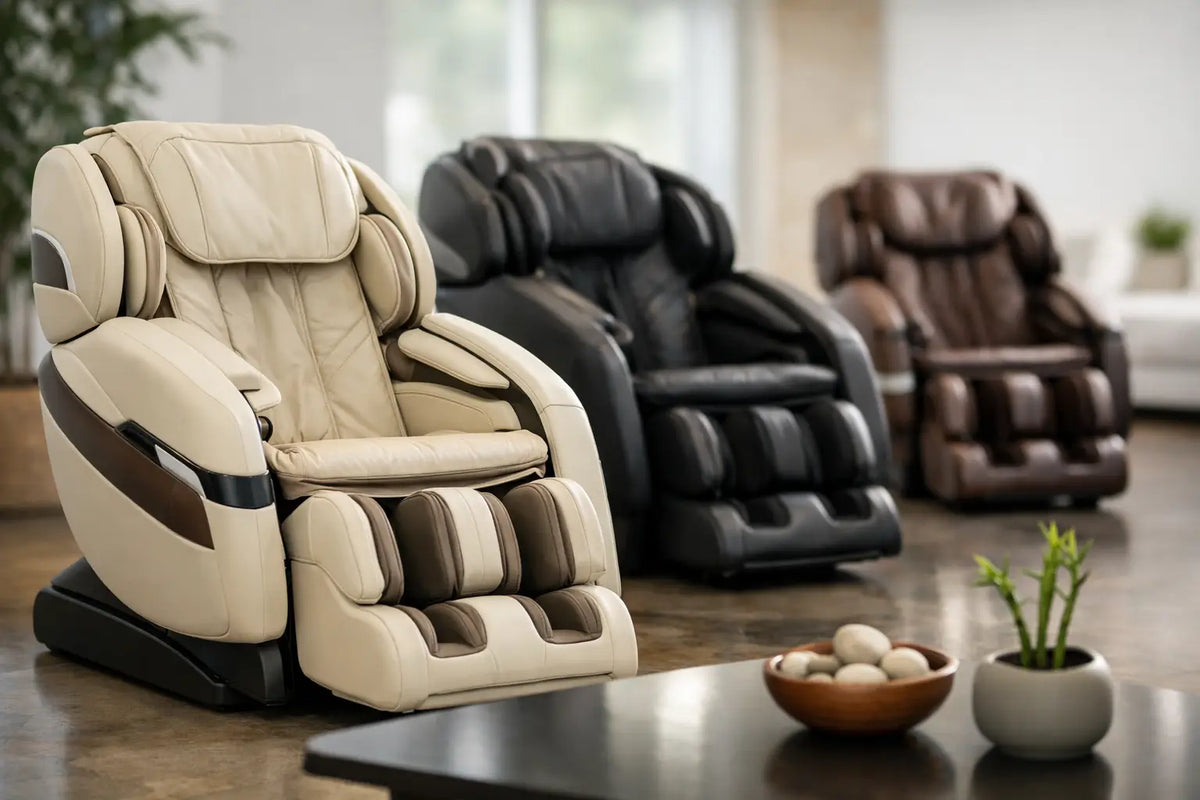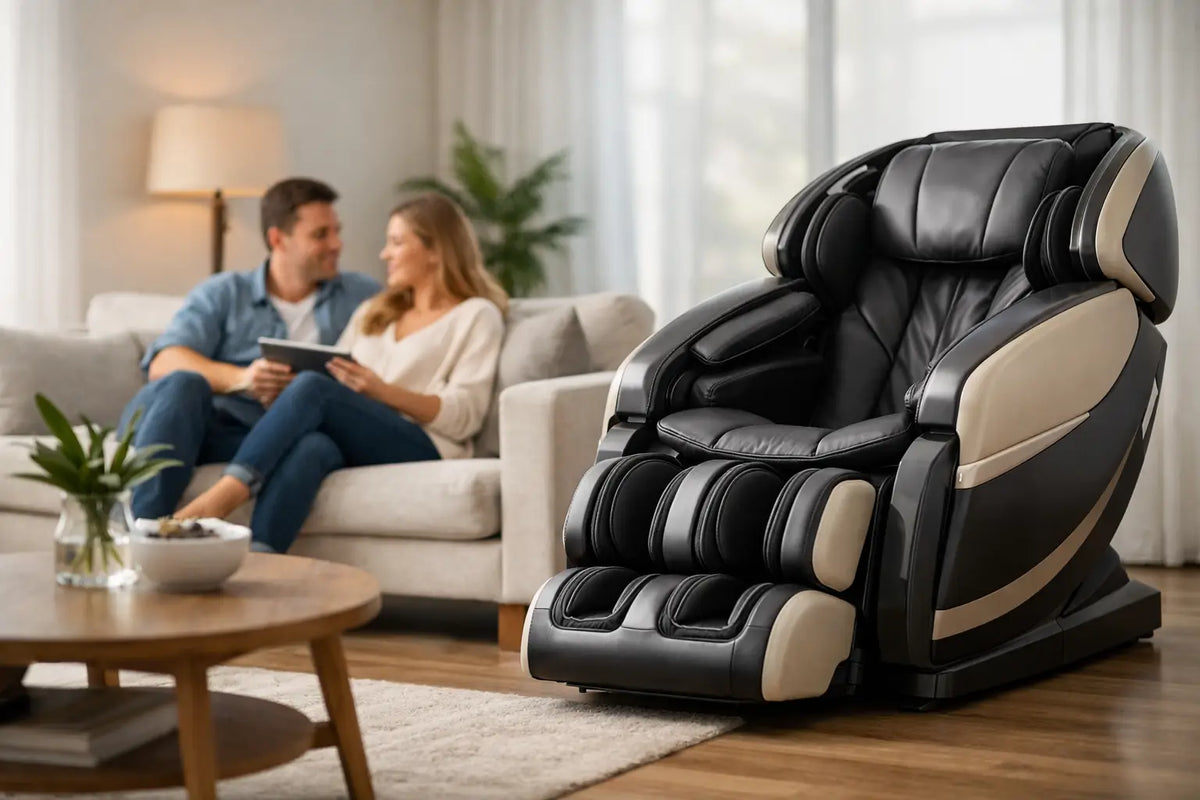
How to Choose a Massage Chair for Your Home
A massage chair can become the most-used seat in your home, or an expensive feature that never quite fits your body, room, or routine. If “how to choose massage chair” is the question bringing you here, start by thinking beyond the massage menu. The right chair should match the way you recover after work, train, game, create, or simply reset at the end of a long day.
Premium models offer a lot more than a vibrating backrest. They can scan your body, recline into a near-weightless position, target the calves and feet, apply heat, and deliver different massage styles from one session to the next. But more features do not automatically mean a better experience. Fit, mechanism quality, available space, and ease of use matter just as much.
Start With Your Recovery Goals
Before comparing tracks, rollers, or speaker systems, decide what you want the chair to do most often. Someone who spends long hours at a desk may prioritize neck, shoulder, and lower-back relief. A runner, cyclist, or active gamer may care more about calf compression, foot rollers, and post-workout leg recovery. If relaxation is the main goal, zero-gravity recline, heat, and gentle full-body programs may matter more than intense deep-tissue settings.
Think about frequency, too. A chair used for 15 minutes after work has different requirements than one used by several people throughout the day. For a shared household, look for body scanning, adjustable intensity, and user memory settings. These features help the chair adapt rather than delivering the same roller position and pressure to every person.
A massage chair is a wellness and comfort purchase, not a substitute for medical care. If you have a chronic condition, recent injury, implanted medical device, pregnancy-related concerns, or circulation issues, get guidance from a qualified clinician before using one.
How to Choose a Massage Chair That Actually Fits
The most impressive specification sheet cannot fix a poor fit. Check the manufacturer’s recommended height and weight range, then consider your proportions. Two people with the same height can have very different shoulder widths, leg lengths, and preferred pressure levels.
Pay attention to the massage track
The track determines how far the rollers travel along your body. An S-track follows the natural curve of the spine and is a strong choice for focused back massage. An L-track extends farther, typically continuing from the neck and back into the glutes and upper hamstrings. For many buyers, an L-track creates a more complete seated recovery experience, especially after long workdays or training sessions.
Neither option is universally better. If your priority is neck-to-lower-back work and you want a smaller footprint, an S-track may be enough. If you want more coverage through the seat and hips, an L-track is usually worth considering.
Look for adjustable rollers and intensity
Roller technology varies widely. Entry-level chairs may offer basic fixed programs, while advanced models use 3D or 4D rollers that can move inward and outward to adjust depth and speed. More dimensions can create a more lifelike massage, but they also make personalization more important. A powerful chair should let you reduce intensity, narrow or widen the roller position, and adjust the massage area.
If you prefer firm pressure, do not assume every premium chair will feel strong enough. Conversely, a deep-tissue setting can be too aggressive for someone new to massage chairs. Choose a model with a broad adjustment range rather than one defined by a single “intense” or “gentle” personality.
Do not overlook calves and feet
Foot and calf massage can be a deciding feature, particularly for people who stand all day, train regularly, or deal with tired legs after travel. Check whether the leg rest extends automatically or manually, and verify that it accommodates your inseam. Enclosed footwells feel secure and can provide more targeted foot rollers, while open-style footrests may better suit taller users or households with different body types.
Air compression around the calves and feet is often more relaxing than rollers alone. The best setup depends on your preference: rollers can feel precise and stimulating, while airbags create a squeezing, circulation-focused sensation.
Measure the Room Before You Fall in Love With a Chair
Massage chairs are substantial pieces of home technology. Measure the chair’s upright dimensions, but do not stop there. You also need to account for the space required when the chair reclines and when its footrest extends.
Wall-hugging designs are a smart option for apartments, offices, media rooms, and multipurpose spaces. These chairs slide forward as they recline, reducing the clearance needed behind them. That does not mean they are small, so measure the full path from delivery entrance to final location as well. Doorways, hallways, staircases, elevators, and tight turns can be just as important as floor space.
Consider where the chair will live in your routine. A dedicated recovery corner may support a larger, feature-rich model. A living room or game room may call for a chair with a more refined exterior, quiet operation, and a footprint that leaves room for people to move comfortably. A massage chair should elevate the room, not take it over.
Choose Features You Will Use, Not Just Features That Sound Impressive
The strongest massage chair purchase is built around useful technology. Zero-gravity recline is one of the features worth prioritizing because it elevates the legs and distributes body weight in a way that can make the massage feel more comfortable. Heat is another meaningful addition, especially for the lower back, though the intensity and placement vary by model.
Airbag massage adds compression to the shoulders, arms, hips, calves, and feet. It is particularly valuable when you want a full-body experience rather than roller-focused back treatment. Stretch programs can also feel excellent after sitting for hours, but they may be too strong for some users. Look for adjustable air pressure and the ability to skip body zones.
Controls shape the ownership experience. A clear remote with dedicated buttons is often faster to use than a complicated touchscreen, while app control can be convenient if it saves personalized programs. Voice controls and Bluetooth speakers are nice additions, but they should not outweigh comfort, fit, and core massage performance.
Evaluate Build Quality and Everyday Ownership
A massage chair has moving parts, motors, upholstery, electronics, and a frame that must handle repeated use. That is why brand reputation, warranty coverage, and support are part of the product, not an afterthought. Review what is covered, how long coverage lasts, and whether in-home service is available for your location.
Upholstery should fit your lifestyle. Synthetic leather is common because it is easy to wipe down and looks polished in a home office or entertainment space. If the chair will be used daily, inspect the stitching, armrest finish, footwell materials, and any areas likely to experience repeated friction.
Also consider noise. Most chairs make some motor and air-pump sound, but a loud model may be distracting in a shared living room or while watching a movie. If a chair includes speakers, remember that massage noise may still be noticeable during quieter moments.
Set a Budget Around the Experience You Want
Price ranges can be broad, and the smartest budget is not always the lowest one. Less expensive chairs can be a solid choice for occasional relaxation and basic back massage. Mid-range models often add better tracks, zero gravity, heat, and more capable leg massage. Higher-end chairs typically focus on refined rollers, advanced body scanning, extensive customization, premium materials, and stronger full-body coverage.
Spend where it changes your daily experience. A chair that fits your body, reaches the areas you need, and feels good enough to use several times a week will deliver more value than a feature-packed model with awkward controls or insufficient legroom. If the chair is for two users with very different builds, adjustable components and saved user profiles may justify a higher investment.
At Your Tech Haven, the goal is to make advanced home wellness technology feel easier to evaluate, whether you are building a high-performance recovery space or upgrading a room designed for serious downtime.
Make the Final Decision With a Real-World Checklist
Before placing an order, confirm the chair fits your height and inseam, your room dimensions, and your delivery route. Then compare the roller track, recline style, calf and foot design, intensity adjustments, warranty, and return terms. Those practical details reveal more than a long list of preset programs.
The best massage chair is not the one with the most buttons. It is the one you look forward to using after a demanding day, because it fits your body, your home, and the elevated lifestyle you are building.