FPV Drone Review: What Premium Pilots Should Buy
A great FPV drone review cannot be reduced to a camera resolution or a top-speed number. The best FPV setup is the one that makes you want to fly again tomorrow - whether that means threading a line through a forest, filming a fast-moving vehicle, or building a polished cinematic reel. For buyers investing in premium tech, the real question is not simply which drone is fastest. It is which flight experience, video system, and ownership path fit the way you want to create.
FPV, or first-person-view flying, puts a live camera feed in your goggles while you control the aircraft. It is immersive in a way conventional camera drones are not. You are not watching a drone from the ground. You are in the flight line, making split-second decisions with a level of energy that feels closer to driving a performance machine than operating a typical consumer gadget.
FPV Drone Review: Start With the Flight Experience
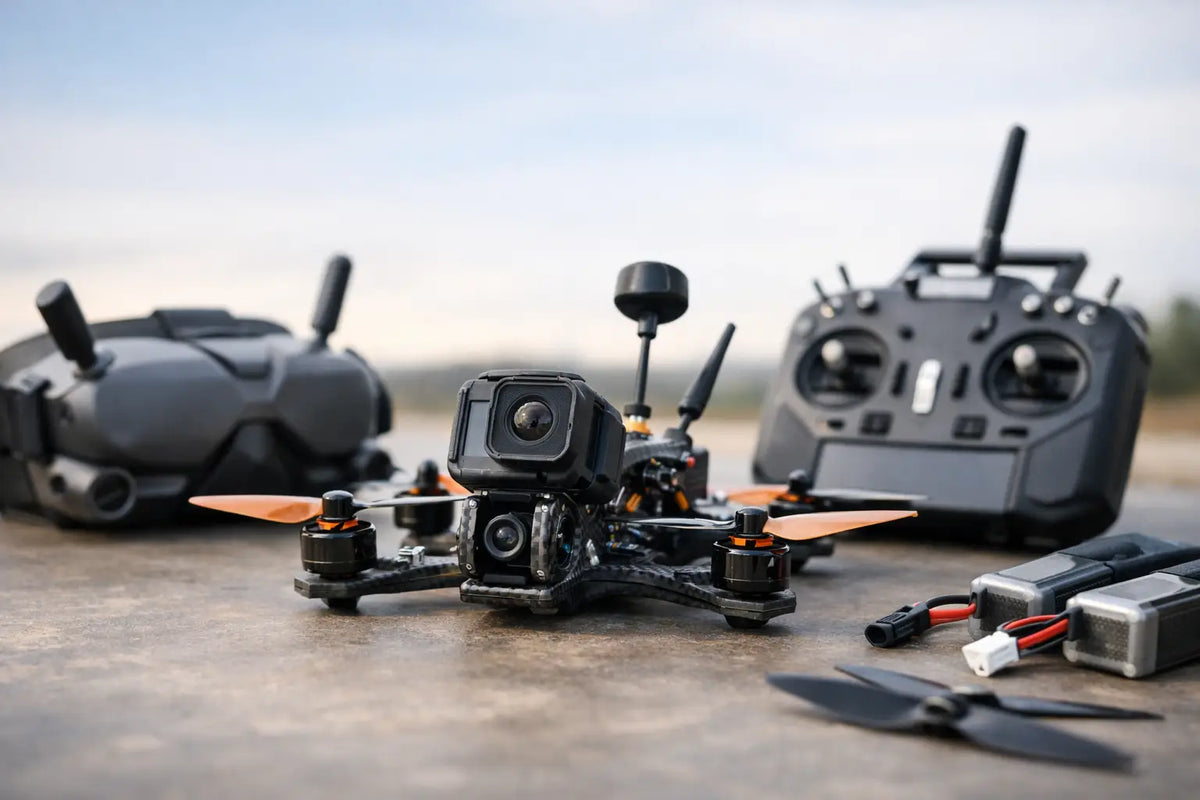
An FPV drone’s character comes down to more than raw power. Frame size, motor selection, propellers, controller tuning, weight, and battery voltage all shape how it feels in the air. A compact cinewhoop is designed for controlled, guarded flying near people or interiors. A five-inch freestyle quad delivers the agile, powerful response most enthusiasts picture when they think of FPV. Long-range models prioritize efficiency and stable cruising over rapid direction changes.
For a first premium purchase, ready-to-fly systems offer the most direct route from unboxing to flight. They combine a compatible drone, controller, goggles, batteries, and charging equipment into a more approachable ecosystem. That convenience has value, especially for creators who would rather learn framing and flight control than spend their first weekend soldering connectors and configuring firmware.
Build-it-yourself quads are a different kind of reward. They offer deeper control over performance, repairability, and upgrades. If you enjoy makerspace projects, tuning hardware, and understanding how every component works, a custom FPV build can become part of the hobby rather than an obstacle to it. The trade-off is time. You need to be prepared to diagnose a bad motor, replace a damaged arm, update firmware, and safely work with batteries.
Neither route is automatically better. A ready-to-fly system is often the smarter choice for someone focused on footage and reliable weekend flying. A custom machine makes more sense for pilots who want a specialized freestyle, racing, or long-range platform that evolves with their skills.
Video Transmission Is the Feature You Feel Most
Specs can make FPV shopping noisy, but the quality and reliability of the live video feed affect every flight. Digital systems generally provide a sharper image, clearer detail, and a more polished experience than analog. That clarity helps when you are identifying a gap in branches, judging distance on a low pass, or setting up a precise reveal shot.
Analog still has a place. It can be lighter, cost less, and maintain a passionate following among pilots who value its response characteristics and broad component compatibility. But for buyers seeking an elevated first FPV experience, a quality digital ecosystem is usually easier to recommend. The goggles, camera, and video transmitter work together to make the hobby feel more accessible without removing the thrill.
Do not confuse high recording resolution with a perfect live feed. Many setups use one camera system to transmit video to the goggles and another action camera to record finished footage. Some newer models integrate high-quality recording directly into the airframe, which reduces setup time and weight. That is excellent for travel and quick shoots, though a separate action camera can give advanced creators more flexibility in lenses, stabilization, and color workflows.
Look Beyond Resolution
A clean image matters, but latency, signal strength, and field of view matter just as much. Latency is the delay between what the drone sees and what reaches your goggles. Lower latency makes fast flying feel more connected. Signal reliability determines whether your feed stays usable when you move behind obstacles or fly farther from your takeoff point.
Wide field-of-view goggles can feel exceptionally immersive, but fit is personal. Face shape, eyeglass compatibility, ventilation, screen quality, and adjustment range all deserve consideration. If possible, treat goggles as a core purchase rather than an afterthought. They are your cockpit.
Camera Quality Depends on Your Mission
For social clips and personal flying, a stable 4K recording option may be all you need. For professional-looking automotive, action sports, or real estate content, image quality becomes more demanding. You will want strong stabilization, good dynamic range, flexible frame rates, and footage that holds up in post-production.
FPV footage has an advantage traditional drones cannot always match: momentum. A slow orbit can be beautiful, but an FPV aircraft can enter through a doorway, skim along a trail, follow a rider, and rise into a dramatic reveal in one continuous move. The result can make ordinary locations feel cinematic.
Still, FPV is not the best tool for every shot. If your priority is a long, steady hover, optical zoom, or highly automated mapping, a conventional camera drone may be the better fit. Many serious creators eventually own both. One platform handles deliberate aerial coverage; the other captures motion, proximity, and energy.
Batteries: The Cost Behind the Thrill
Flight time is where first-time buyers often bring camera-drone expectations into FPV. A high-performance FPV quad may offer only several minutes of spirited flight from one battery. That is normal. It delivers its performance through high current draw, not by staying airborne for half an hour.
The answer is not to chase one oversized battery. It is to build a sensible battery rotation. Four to six compatible packs can turn a short session into a satisfying afternoon, provided you also have a charger capable of handling them safely and efficiently. Budget for batteries, a quality charger, charging leads, a protective battery bag, and replacement propellers from the beginning.
Lithium-polymer batteries demand respect. Charge on a nonflammable surface, use the correct settings, inspect packs for damage, and never leave charging batteries unattended. Storage voltage also matters if you will not fly for several days. These habits are not glamorous, but they protect your investment and keep the hobby enjoyable.
Durability and Repairs Shape Long-Term Value
Crashes are part of learning FPV. Even skilled pilots misjudge a branch, catch a gust, or clip a gate. A drone with replaceable arms, accessible screws, and readily available parts can be a better long-term value than a sleek model that is difficult to repair.
Cinewhoops and beginner-friendly models with prop guards may reduce the consequences of minor impacts, especially when flying indoors or near structures. They are not indestructible, and the guards add weight, but they can create a more forgiving learning environment. Freestyle frames are often tougher than they look and designed to accept repairs after a hard landing.
Before buying, consider the practical ecosystem: Are props easy to source? Can you replace motors without rebuilding the entire aircraft? Is the radio system supported by compatible receivers? Premium ownership is not only about first-flight excitement. It is about getting back in the air quickly when life happens.
A Practical FPV Drone Buying Path
Start by deciding where and why you will fly. A creator who wants dynamic backyard and travel footage should prioritize an integrated digital system, dependable stabilization, and a compact transport case. A hobbyist interested in learning acro flight should prioritize a comfortable radio, simulator practice, durable construction, and accessible spare parts. A pilot chasing cinematic interior shots should look closely at ducted cinewhoops and low-risk prop protection.
A flight simulator deserves a place in almost every first-time setup. Using the same style of controller you will fly in real life helps build muscle memory without risking a drone. A few focused simulator sessions can save props, batteries, and frustration when you move outdoors.
Also plan for the operational side of flying in the United States. Drone registration, Remote ID requirements, local restrictions, airspace rules, and safe operating practices can vary by aircraft and use case. Check current FAA guidance before flying, and choose open areas where you can maintain situational awareness and respect people, property, and wildlife.
Your Tech Haven shoppers often invest in equipment that makes home entertainment, creative work, and weekend recreation more exciting. FPV fits that mindset perfectly because it rewards skill and curiosity. It can be a technical hobby, a content tool, and a reason to get outside with a purpose.
The right drone is the one you can confidently operate, maintain, and keep in your rotation. Choose a system that matches your real flying goals, give yourself room for batteries and practice, and let the first smooth line through the sky set the direction for the next one.