Best Gaming Chair for Long Hours: What Matters
Eight hours into a ranked session or a full workday-turned-gaming-night, even a powerful setup starts to feel wrong if your seat is fighting you. Finding the best gaming chair for long hours is less about flashy styling and more about how well the chair supports your body when the excitement wears off and the sitting keeps going.
That distinction matters more than most buyers expect. A chair can look premium, feel soft for ten minutes, and still leave your lower back stiff, your shoulders tense, and your legs restless by the end of the night. If you are investing in a better battlestation, creator desk, or hybrid work-and-play room, your chair is not a background accessory. It is performance equipment.
How to choose the best gaming chair for long hours
The first thing to know is that comfort over long sessions is not one feature. It is the result of fit, adjustability, support, materials, and posture working together. That is why the best gaming chair for long hours will not be the same for every gamer, streamer, or remote professional.
Start with fit. A chair that is too wide can leave you unsupported, while one that is too narrow can create pressure points in your hips and thighs. Seat depth matters too. If the seat pan is too long, it presses into the back of your knees. Too short, and your legs are doing more work than they should. Premium chairs usually publish recommended height and weight ranges for a reason. Those numbers are not just legal fine print. They are one of the fastest ways to narrow the field.
Adjustability is where long-session comfort really starts to separate average chairs from great ones. Height adjustment is standard, but the important upgrades are 2D, 3D, or 4D armrests, recline tension control, tilt lock positions, and lumbar adjustments that let you fine-tune the chair to your frame. If you stream, edit, game, and work from the same chair, these controls matter even more because your posture changes throughout the day.
Support beats softness every time
A common mistake is shopping for the plushest cushion and assuming that softer means better. For long hours, that logic usually fails. Extra-soft foam can feel impressive at first and then compress too much, which reduces support and encourages slouching. A firmer, denser seat often performs better across extended sessions because it holds its shape and keeps your pelvis in a more stable position.
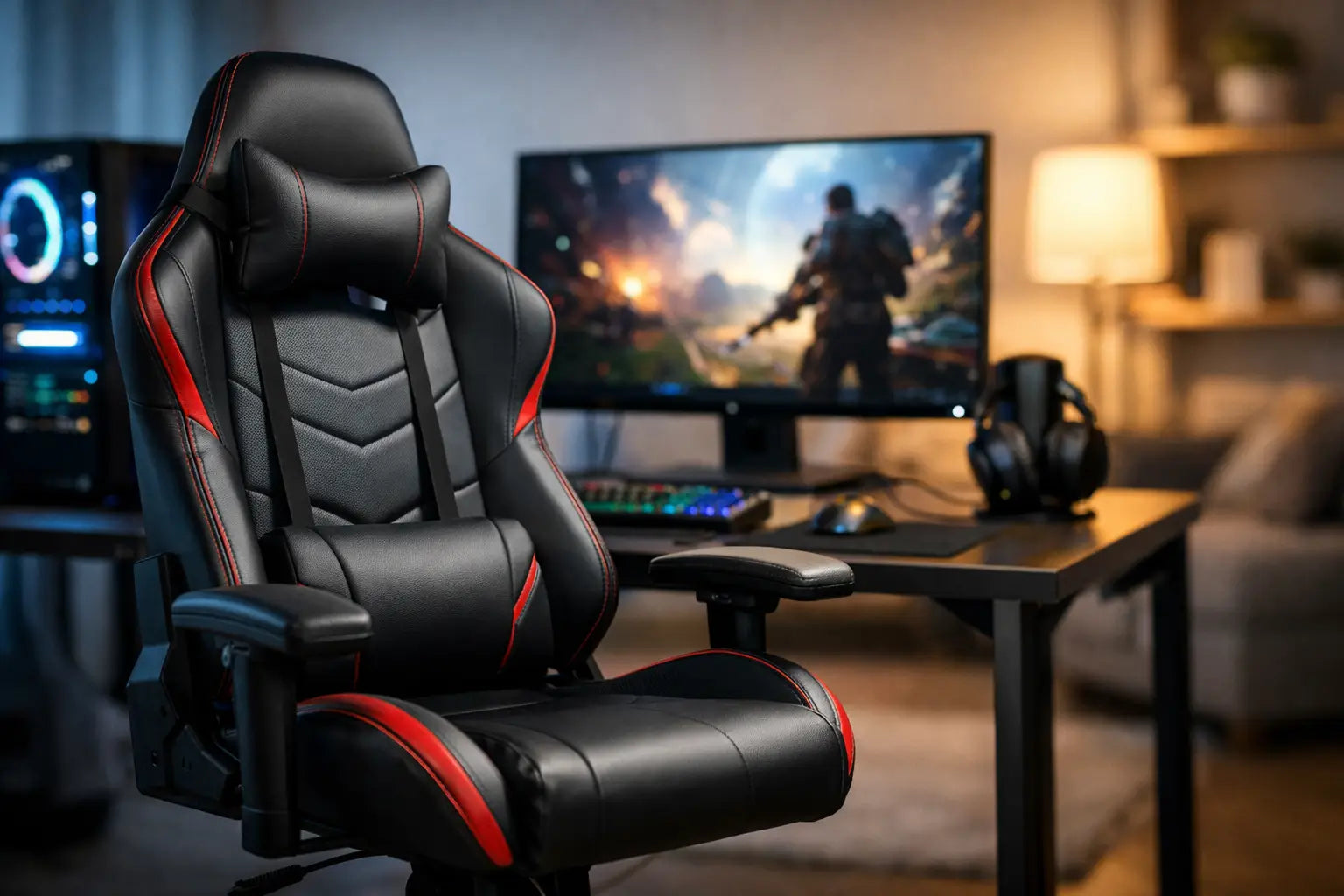
Lumbar support is the feature most buyers should take seriously. Some gaming chairs use removable lumbar pillows, while others build in an adjustable support system. Built-in lumbar tends to feel more precise and less fussy, especially if you spend long stretches at a desk. Pillows can still work well, but they are more dependent on your body shape and how often you are willing to reposition them.
Backrest shape also plays a role. High-back designs can help support the shoulders and upper back, but not every racing-style shell is ideal. Some side bolsters look aggressive yet reduce natural movement. If you like to stay locked in and upright, that may be fine. If you shift positions often, a less restrictive backrest can be the smarter pick.
The right material depends on your room
Material choice changes the long-hour experience more than product photos suggest. PU leather and similar synthetic finishes are popular because they are easy to clean and give a sleek, premium look. They can work well in climate-controlled rooms, especially if you want a chair that feels polished and gaming-focused.
The trade-off is heat. If your room runs warm or you naturally sit hot, mesh or breathable fabric may be the better long-session option. Fabric tends to feel less sticky and more forgiving during marathon use. Mesh can be excellent for airflow, though not every mesh gaming chair delivers the same level of cushioning. This is one of those areas where your environment matters as much as the spec sheet.
If your setup lives in a dedicated game room with cool airflow, leather-like upholstery might be a strong fit. If your chair pulls double duty in a home office under bright lights for ten hours a day, breathable materials can be a real quality-of-life upgrade.
Armrests are not a small detail
People underestimate armrests until they use a bad set. Fixed armrests can force your shoulders too high or leave your elbows unsupported. Over time, that tension moves into your neck and upper back. Adjustable armrests help you bring the chair to your desk, keyboard, and controller position instead of forcing your body to adapt.
For PC gamers, creators, and remote workers, 3D or 4D armrests are worth serious attention. Height, width, depth, and pivot adjustments let you support your forearms during keyboard use without crowding your torso. For controller gaming, slight inward angles can feel better. It sounds minor on paper, but over long sessions it becomes one of the features you notice every day.
Gaming chair or ergonomic office chair?
This is where honest buying advice matters. Some shoppers looking for the best gaming chair for long hours may actually be better served by an ergonomic office-style chair. If your priority is upright desk work, all-day comfort, and subtle aesthetics, an ergonomic task chair often offers excellent lumbar systems, breathable materials, and movement-friendly support.
A gaming chair makes more sense when you want a stronger recline range, a more immersive design, a high-back silhouette, and a style that matches the rest of your setup. Premium gaming chairs have improved a lot, especially at the higher end, and many now borrow features that used to be reserved for office seating. But the right answer depends on how you spend your time. If 80 percent of your use is competitive PC gaming and streaming, a premium gaming chair can be a great fit. If 80 percent is spreadsheet work, editing, and meetings, an ergonomic office chair may deserve a look.
That does not make one category better overall. It just means your chair should match your actual habits, not just your ideal setup aesthetic.
What premium buyers should look for
If you are shopping in the enthusiast tier, durability matters as much as comfort. Long-session seating puts real stress on a chair, and lower-end models often reveal weaknesses fast through flattened foam, wobbly armrests, squeaky tilt mechanisms, or peeling upholstery. A premium chair should feel stable, quiet, and consistent after months of use, not just on day one.
Look closely at frame construction, base material, caster quality, and warranty coverage. Steel frames, aluminum bases, and dense molded foam typically signal a more serious product. Weight capacity also tells part of the story, but build quality is broader than one number. The goal is a chair that still feels confidence-inspiring after repeated daily use.
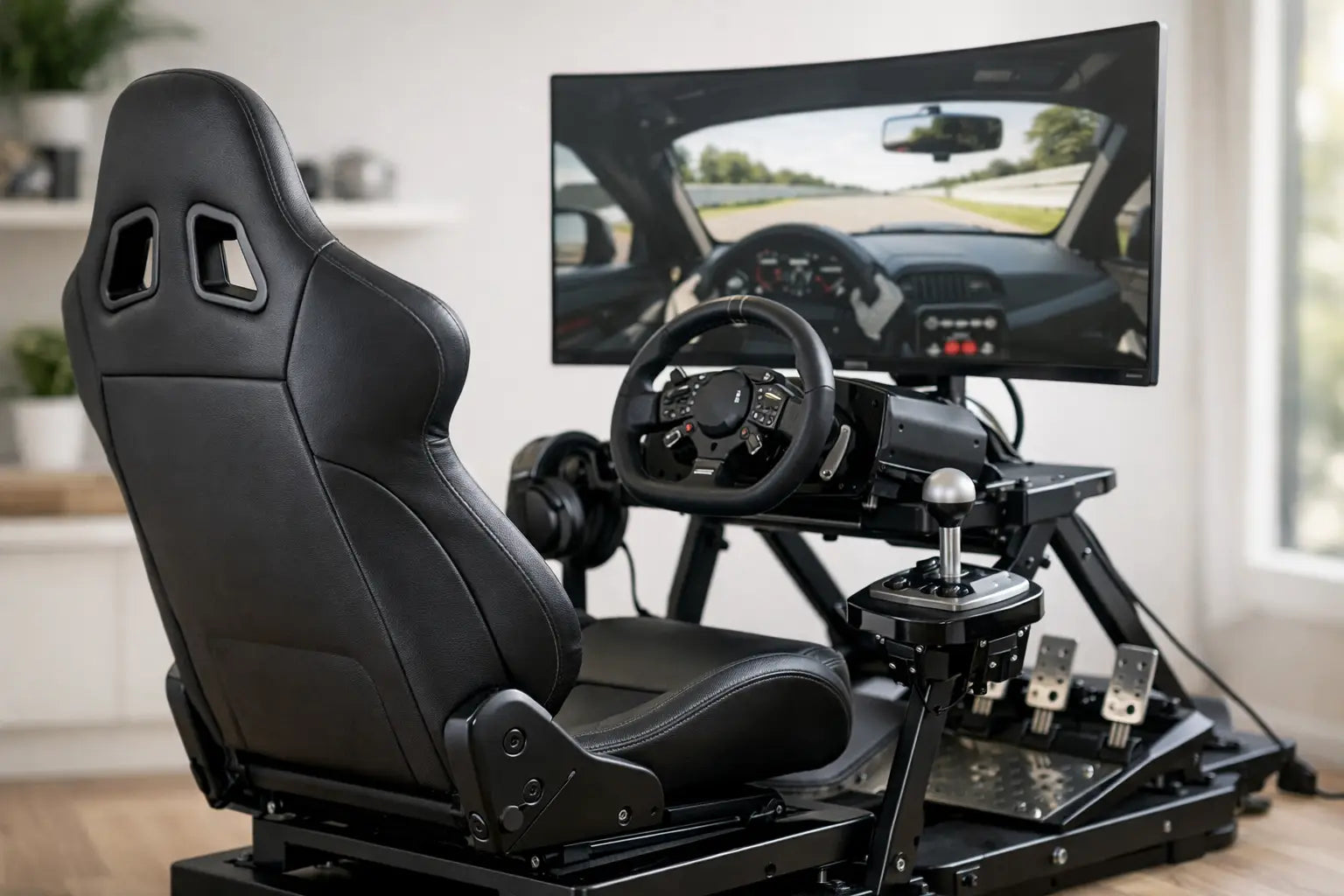
For buyers upgrading a complete room, aesthetics matter too. That is not vanity. A gaming chair is a major visual anchor in a setup. The right one should complement your desk, monitors, lighting, simulator rig, or entertainment space without sacrificing function. At Your Tech Haven, that balance between elevated performance and premium lifestyle design is exactly why chair selection deserves a careful look.
Red flags that should make you pause
A few warning signs are easy to miss. If a product page focuses almost entirely on colorways and racing visuals while staying vague about dimensions, foam density, or adjustment range, that is worth noting. If lumbar support is described in a generic way with no explanation of how it adjusts, expectations should stay realistic.
The same goes for chairs that promise all-day comfort but offer minimal armrest movement or no clear seat sizing guidance. Marketing can make almost any chair look elite. Real long-hour comfort shows up in the details.
The best chair is the one that fits your use case
If you game in short competitive bursts, almost any decent chair may feel acceptable. If you are stacking work, streaming, editing, and gaming into one setup, the standard gets much higher. In that case, the best gaming chair for long hours is usually the one that disappears beneath you - the one that supports posture, encourages movement, manages heat, and still feels composed deep into the session.
That may mean choosing breathable fabric over a slick leather finish. It may mean prioritizing built-in lumbar over a softer seat. It may even mean stepping away from an aggressive bucket-style shape in favor of a more open, ergonomic design. Those trade-offs are not compromises if they improve the way you actually live and play.
A great setup should energize you, not wear you down. Choose the chair that supports the way you spend your real hours, and the rest of your space starts performing at a much higher level.