9 Best Drones for Aerial Photography
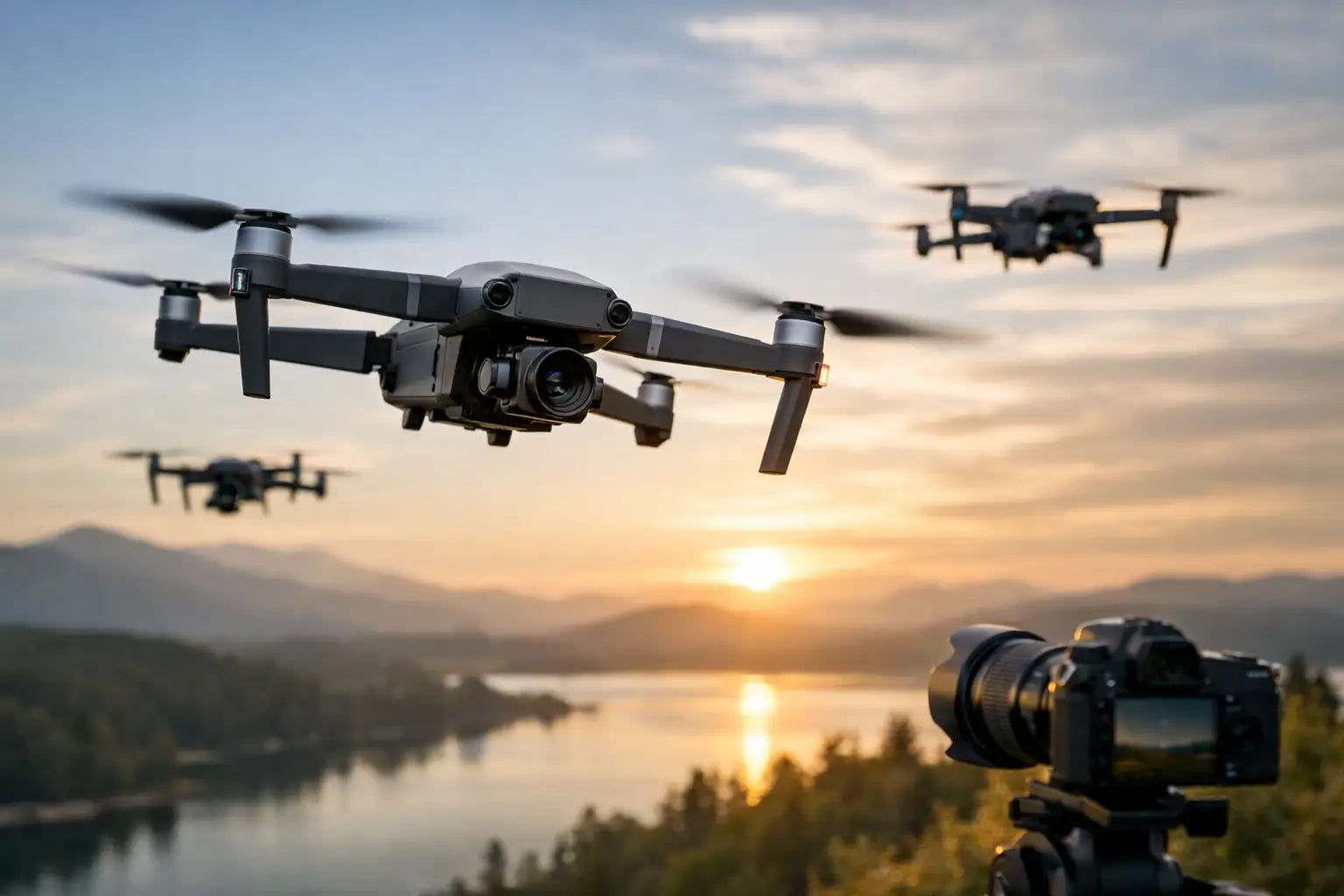
A drone can make an ordinary scene look cinematic in seconds - but only if you buy the right one. The best drones for aerial photography are not just the ones with the highest price or the biggest spec sheet. They are the models that match how you shoot, where you fly, and how much control you want over the final image.
For some buyers, that means a compact drone that folds into a backpack and gets in the air fast. For others, it means a larger platform with a stronger camera system, better wind resistance, and more room to grow. If you are shopping for image quality first, it helps to think like a photographer before you think like a pilot.
What makes the best drones for aerial photography?
Camera quality is the first filter, but it is not the only one. Sensor size matters because larger sensors generally handle dynamic range and low light better. That translates to cleaner shadows, more highlight detail, and footage that holds up better in editing.
Lens behavior matters too. A drone with a sharp lens and natural color can produce more usable results than one with inflated resolution numbers. If you plan to shoot landscapes, real estate, travel content, or social media video, color profile options and stabilization can be just as important as megapixels.
Flight performance is the other half of the story. Aerial photography gets frustrating fast if your drone struggles in mild wind, has a short battery life, or feels unpredictable in the air. Reliable obstacle sensing, strong GPS performance, and stable hovering all make a real difference when you are trying to frame a precise shot.
9 best drones for aerial photography right now
DJI Air 3
For many buyers, the DJI Air 3 is the sweet spot. It blends strong image quality, excellent flight stability, and a dual-camera setup that gives you more creative range than a standard wide-angle drone. That second medium tele camera is especially useful when you want compression, cleaner framing, or more dramatic subject isolation.
It is not the smallest option, but it is portable enough for regular travel and capable enough to satisfy serious creators. If you want one drone that can handle landscapes, destination content, and polished video without jumping to a much higher price tier, this is one of the smartest choices on the market.
DJI Mini 4 Pro
The Mini 4 Pro is easy to recommend if portability is high on your list. It is compact, easy to carry, and far less intimidating for new pilots than a larger aircraft. Despite its size, it still delivers impressively detailed photos and clean video for travel, social content, and everyday creative work.
The trade-off is that smaller drones can be less confidence-inspiring in stronger winds. That does not make the Mini 4 Pro weak, but it does mean conditions matter more. If you want a high-quality camera drone that fits a grab-and-go lifestyle, it is one of the best values available.
DJI Mavic 3 Pro
If your priority is premium imaging performance, the Mavic 3 Pro deserves serious attention. Its multi-camera system opens up more shooting flexibility, and the overall image quality is a clear step above mid-range models. This is the kind of drone that makes sense for advanced hobbyists, commercial shooters, and creators who want footage with a more refined, professional look.
The obvious drawback is price. It is an investment, and it can be more machine than a casual flyer needs. But for buyers who care about stronger low-light performance, more grading headroom, and better lens options, the cost reflects real capability.
Autel EVO Lite+
The Autel EVO Lite+ stands out for buyers who want a capable camera drone outside the DJI ecosystem. It offers strong image performance, solid flight time, and a larger sensor approach that appeals to photographers who care about detail and tonal range.
Its user experience may feel a bit different depending on what platform you are used to, but the overall package is compelling. If you want excellent aerial imaging and like having a serious alternative in the premium consumer category, this model is worth a close look.
Autel EVO Nano+
The EVO Nano+ fits a similar role to the leading compact drones, but with its own strengths. It is designed for creators who want something lightweight and easy to travel with while still getting image quality that feels elevated beyond basic entry-level results.
This is a strong option for weekend trips, quick content capture, and casual photography that still looks polished. As with other small drones, it is best for buyers who value convenience and understand that extreme wind performance will not match larger aircraft.
DJI Mini 3
Not everyone needs every premium feature. The DJI Mini 3 remains a smart pick for buyers who want strong photo and video performance without paying for the latest top-end extras. It is approachable, compact, and capable enough to produce content that looks far more expensive than its price suggests.
For beginners, that balance matters. You can focus on composition, movement, and editing instead of feeling buried in advanced options. If your goal is to step into aerial photography with confidence, this drone still makes a lot of sense.
DJI Avata 2
The Avata 2 is not a traditional first choice for still photography, but it deserves a place in this conversation because aerial imagery is not always about hovering over a landscape. Sometimes the shot is about motion, speed, and a more immersive perspective. That is where this drone shines.
For action-heavy video, dynamic tracking, and cinematic fly-throughs, it brings a very different creative energy. The trade-off is obvious: if you mainly want classic overhead stills and patient composition work, a camera-first drone will be easier to live with. But if you want footage that feels alive, the Avata 2 opens new doors.
Skydio 2+
Skydio built its reputation around autonomous flight and obstacle avoidance, and that strength still matters for creators who film movement-heavy scenes. If you shoot biking, hiking, trail content, or outdoor action, the way this drone navigates around obstacles can be a major advantage.
It is not always the first pick for pure landscape photography, especially if your top priority is squeezing out the absolute best still image quality. But for creators who need smart tracking and confidence in complex environments, it offers a compelling mix of technology and usability.
DJI Inspire 3
This is the high-end choice for buyers operating at a professional production level. The Inspire 3 is built for serious cinema work, commercial shoots, and teams that need top-tier aerial imaging with advanced control. It is in a different class from mainstream consumer drones.
That also means it is excessive for most shoppers. Between cost, size, and workflow complexity, it is not the model you buy for casual weekend flights. But if your aerial photography needs overlap with high-end video production, this is where premium performance becomes a real business tool.
How to choose the best drone for your style
The right pick depends on what you actually plan to shoot. If you travel often and want a lightweight kit, a Mini-series drone or other compact model is the obvious fit. If you shoot real estate, landscapes, or commercial content and want stronger image quality, stepping up to an Air, Mavic, or EVO Lite class drone usually makes sense.
Budget should include more than the aircraft. Extra batteries, a better controller, ND filters, a carrying case, and memory cards all affect the real ownership cost. A lower-priced drone can become less of a bargain if you quickly outgrow its camera or need to replace it within a year.
It is also worth being honest about skill level. A beginner does not always benefit from buying the most advanced drone available. In many cases, a model with strong automation, stable flight, and dependable safety features will help you get better results faster.
Features worth paying for and features you can skip
Obstacle avoidance is worth paying for if you fly in mixed environments or plan to film motion. It reduces stress and adds confidence, especially for newer pilots. Better battery life is also worth the premium because it gives you more time to wait for the right light and refine a shot.
On the other hand, not every buyer needs a multi-camera system or the highest-end video specs. If you mainly post online, create short-form content, or shoot for personal use, a well-balanced mid-range drone may deliver everything you need. Chasing the biggest numbers can lead to overspending without improving your actual output.
Best drones for aerial photography by buyer type
If you want the best all-around choice, the DJI Air 3 is hard to beat. If you want the best compact travel drone, go with the DJI Mini 4 Pro. If you want the best premium prosumer option, the DJI Mavic 3 Pro is the standout. If you want a strong non-DJI alternative, the Autel EVO Lite+ is a serious contender.
That kind of clarity is valuable when you are comparing a crowded category. At Your Tech Haven, that is exactly what smart tech shopping should feel like - exciting, informed, and built around performance that fits your lifestyle.
A great drone does more than fly. It changes the way you see familiar places, gives your content a stronger signature, and turns ordinary light into something worth keeping. Buy for the shots you want to create next, not just the specs that look good today.