Best Drone for Aerial Photography in 2026
A skyline shot can look cinematic in one drone and flat in another, even when both claim 4K video and a high-end camera. That is why choosing the best drone for aerial photography is less about chasing the biggest spec sheet and more about matching camera performance, flight stability, and real-world usability to the way you actually shoot.
For some buyers, that means a foldable drone that travels easily and launches in minutes. For others, it means a larger platform with a stronger sensor, better wind resistance, and more room to grow. If you are investing in premium tech, the goal is not just getting airborne. It is getting the kind of footage and stills that feel worth sharing, printing, licensing, or building a brand around.
What makes the best drone for aerial photography?
The short answer is image quality, but image quality in drones is shaped by several things working together. Sensor size matters because it affects low-light performance, dynamic range, and how much detail you can recover in highlights and shadows. A larger sensor usually gives you more flexibility in editing, especially if you shoot during sunrise, sunset, or mixed lighting conditions.
Stabilization is just as critical. A good gimbal keeps movement smooth, but overall flight behavior matters too. A drone can have an impressive camera and still frustrate you if it drifts in wind, responds unpredictably, or struggles to hold position while you compose a shot. The best models feel controlled and confident, which makes a real difference when you are trying to frame architecture, coastline, mountain terrain, or moving subjects.
Then there is the question of intelligence. Obstacle sensing, subject tracking, return-to-home reliability, and automated flight modes are not just convenience features. They can help you get cleaner footage with less stress, especially if you are flying in more complex environments. That said, advanced automation is not a replacement for pilot skill. It is support, not magic.
Camera specs that actually matter
A lot of drone shoppers get stuck on resolution. It is easy to compare 4K, 5.1K, or higher and assume the biggest number wins. In practice, sensor size and lens quality often matter more than headline resolution. A drone with a larger sensor and strong color performance can produce better-looking results than one with more pixels on paper.
Bit depth and color profiles are worth paying attention to if you plan to edit your footage seriously. If you are creating content for YouTube, real estate, travel media, or commercial work, having more room in post can be a major advantage. RAW photo capture is another feature that separates casual drones from more creator-focused platforms. It gives you far more control over exposure, contrast, and color correction.
A variable or well-managed aperture can also help, though not every drone needs it. If you mostly shoot in bright outdoor conditions and want convenience, a fixed-aperture system can still perform very well. If you need more creative control across changing light, a more advanced camera setup becomes more attractive.
Size, portability, and why convenience affects results
There is a reason compact premium drones dominate the market. If a drone is easy to pack, quick to deploy, and simple to fly, you are more likely to bring it with you and use it often. For creators who travel, hike, or shoot multiple locations in one day, portability is not a luxury. It is part of the workflow.
Still, smaller drones come with trade-offs. They can be more affected by wind, may have shorter flight times under real conditions, and sometimes use smaller sensors than larger professional models. If your priority is maximum image quality and you mostly shoot planned projects rather than spontaneous content, stepping up in size can make sense.
The best choice depends on how you work. A travel creator may get more value from a compact drone that is always ready. A real estate shooter or production team may prefer a heavier platform with stronger camera hardware and more predictable performance in varied conditions.
Flight performance separates good drones from frustrating ones
Specs tell part of the story, but flight confidence is where premium drones justify their price. Strong GPS lock, stable hovering, responsive controls, and dependable battery behavior all affect your shot quality. When a drone feels planted in the air, you can focus on composition rather than fighting the aircraft.
Battery life deserves a realistic view. Manufacturers often advertise best-case numbers, but wind, speed, temperature, and shooting style all reduce actual runtime. If a drone claims long flight times, expect less once you are recording, repositioning, and flying cautiously. That does not mean the claim is misleading. It means you should plan for real production use, not ideal lab conditions.
Transmission range matters too, but not because most pilots need to fly extreme distances. A stronger transmission system usually means a more stable live feed and better control confidence, even at moderate range. For aerial photography, seeing your frame clearly is a major part of getting the shot right the first time.
Best drone for aerial photography by user type
If you are a beginner with premium expectations, look for a model with strong obstacle sensing, reliable return-to-home, intuitive controls, and a camera that captures RAW photos and high-quality stabilized video. You do not need the largest platform right away. You need a drone that helps you learn without feeling limited after a month.
If you are a content creator, portability and camera flexibility tend to matter most. A foldable drone with strong vertical and horizontal shooting options, dependable tracking, and solid low-light performance can become a core part of your kit. This is where the sweet spot often lives for buyers who want serious results without moving into full production-drone territory.
If you are shooting real estate, landscape work, tourism media, or client projects, it may be worth prioritizing sensor size, dynamic range, and wind performance over convenience. Professional-looking aerial work often comes down to cleaner tonal detail and more stable capture conditions, not just flashy features.
If you are an enthusiast upgrading from an entry-level drone, focus on where your current setup falls short. Maybe the camera struggles at golden hour. Maybe tracking is weak, or the footage breaks apart when you color grade. The right upgrade solves those bottlenecks instead of just adding more modes you may never use.
Features worth paying more for
Obstacle avoidance is one of the easiest premium features to appreciate. It does not make flying risk-free, but it can reduce the chance of costly mistakes and open up more confidence when working around trees, buildings, or uneven terrain. Better subject tracking is another upgrade that pays off fast if you film vehicles, action sports, or moving people.
Controller quality matters more than many buyers expect. A brighter built-in screen, lower latency, and a cleaner interface can improve the entire flight experience. If you plan to use your drone frequently, the controller is not an accessory. It is a big part of the product.
Storage workflow also matters. Fast transfer options, reliable app support, and smooth file handling can save time every time you fly. Premium gear should feel premium after the shoot too, not just during the product demo.
Common mistakes when shopping for an aerial photography drone
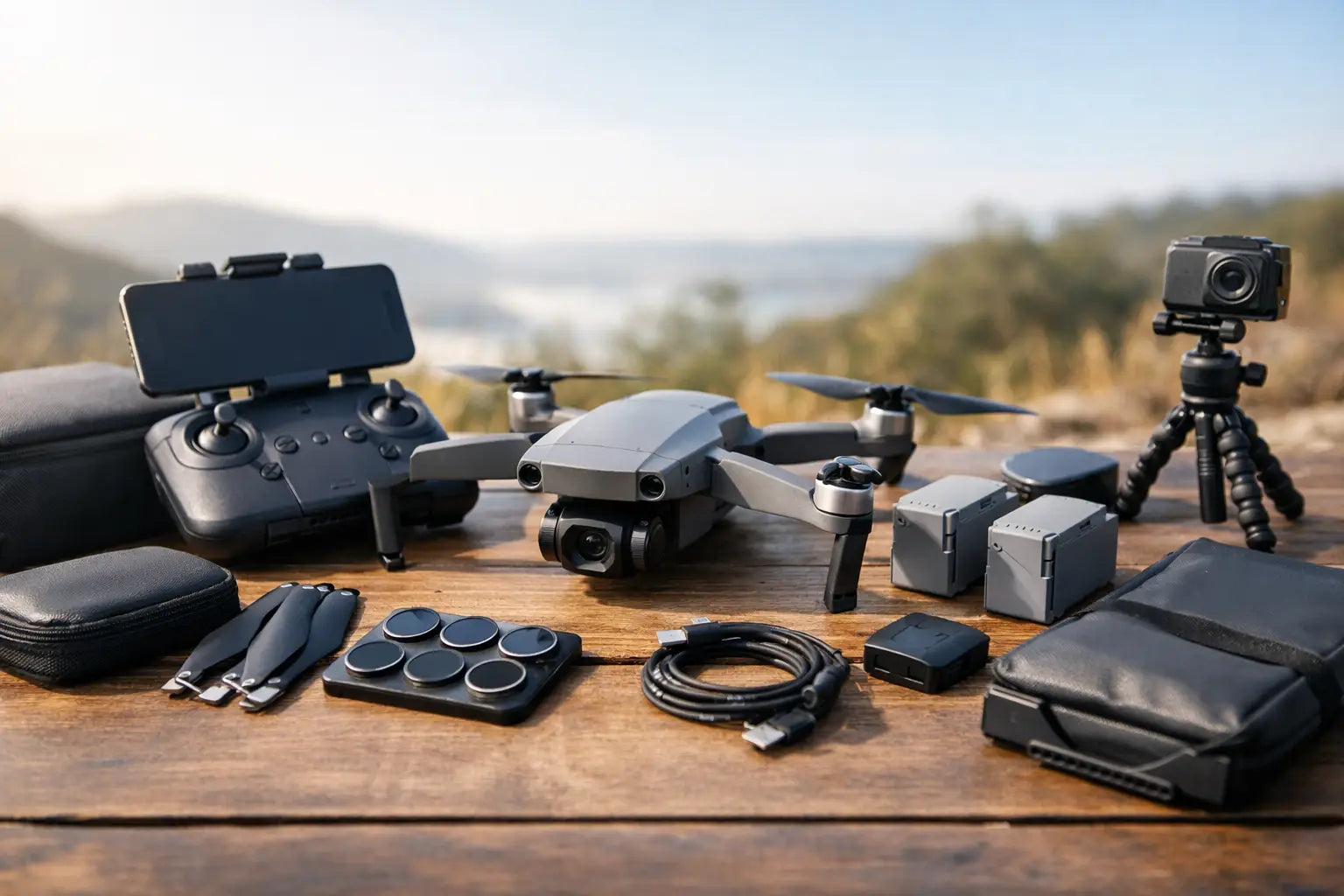
The first mistake is buying only for specs and ignoring use case. A drone can be outstanding on paper and still be wrong for your travel habits, skill level, or shooting goals. The second is underestimating accessories. Extra batteries, filters, spare props, and a quality carrying setup are part of the real investment.
Another common mistake is assuming bigger always means better. Sometimes it does. Sometimes it means bulk, more setup time, and less spontaneity. There is also the opposite mistake of buying too small and outgrowing the camera quickly. The right answer usually sits in the middle of convenience, image quality, and confidence.
And finally, some buyers focus only on the drone itself and ignore retailer support. When you are buying enthusiast-grade technology, dependable service, secure checkout, and a curated product selection matter. That is part of what makes shopping with a specialist platform like Your Tech Haven feel more aligned with how serious tech buyers actually shop.
How to choose with confidence
Start with your output. If you mainly want social content and travel visuals, prioritize portability and speed. If you want polished commercial imagery or more advanced editing latitude, prioritize sensor performance and flight stability. Then think about where you fly most often. Open beaches, mountain lookouts, suburban real estate, and urban environments all place different demands on the drone.
Budget matters, but value matters more. Spending less upfront can cost more later if the camera limits your work or the flight experience makes you avoid using the drone. On the other hand, paying for high-end features you will never touch is not smart either. The best drone for aerial photography is the one that gets you in the air consistently and gives you files that still look strong when you bring them into your editing workflow.
A great drone should make you want to create more, not second-guess the purchase after the first weekend. Pick the model that fits your ambitions now, with just enough headroom for where your shots are going next.