Best Arcade Machine for Home Buyers
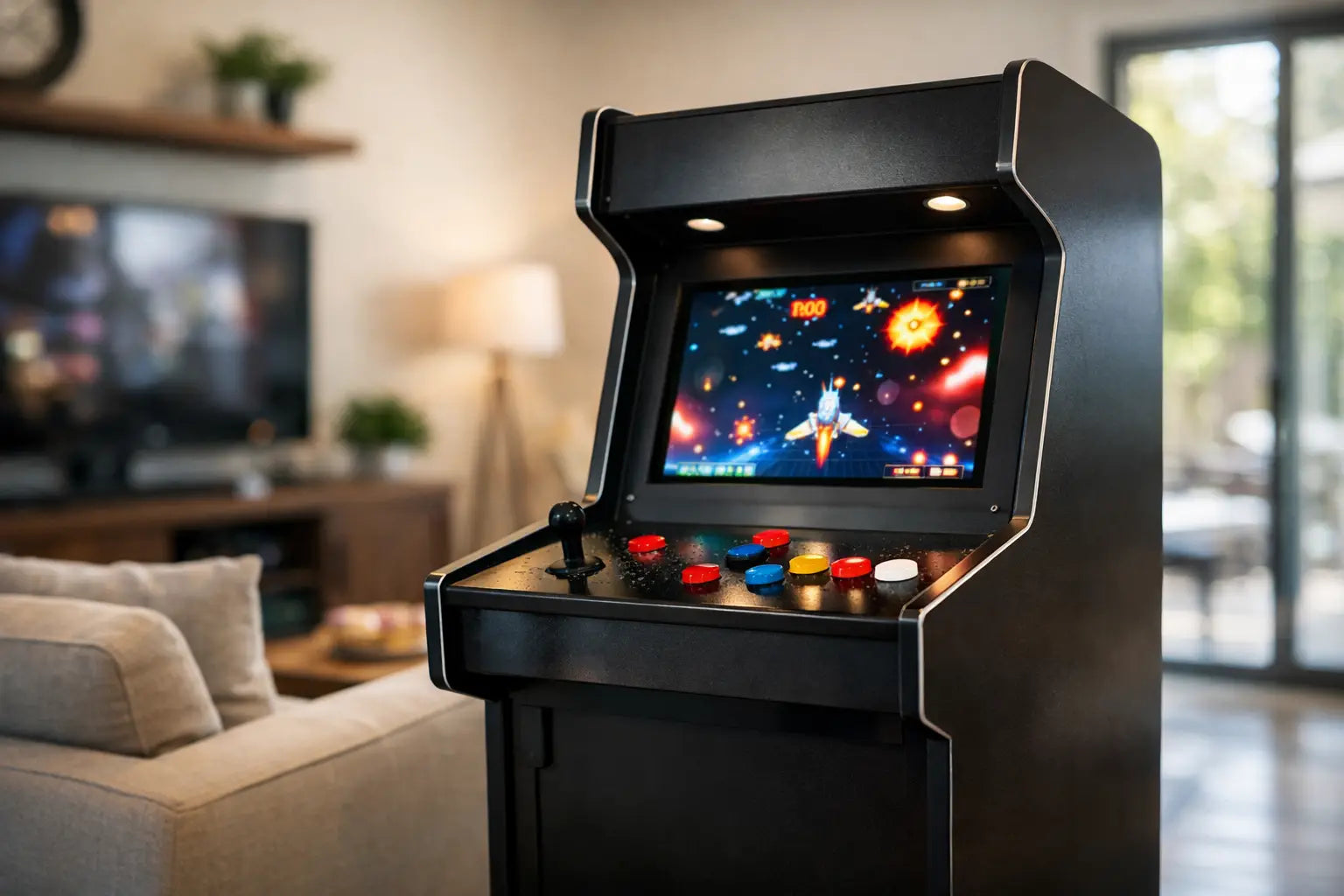
The best arcade machine for home is rarely the one with the longest game list or the flashiest cabinet art. It is the one that fits your space, matches the way you actually play, and still feels exciting after the first weekend wears off. That is where smart buying beats impulse buying, especially when you are building a game room that needs to look sharp, perform well, and justify the footprint.
Home arcade shopping has changed fast. A few years ago, the choice felt simple - buy a small replica cabinet for nostalgia or go full commercial if you had the budget and square footage. Now there are more formats, more price tiers, and more feature sets competing for attention. For buyers who care about immersive entertainment and premium gear, that is good news, but it also means the right pick depends on priorities.
How to choose the best arcade machine for home
Start with the question most shoppers skip: who is this machine really for? If the answer is family game nights, your ideal cabinet looks very different from a setup built for one player chasing high scores on classic fighters and shooters. A household with kids may want simpler controls, recognizable titles, and a durable build. A dedicated enthusiast may care more about joystick precision, screen quality, authentic button layout, and whether the cabinet height feels comfortable for longer sessions.
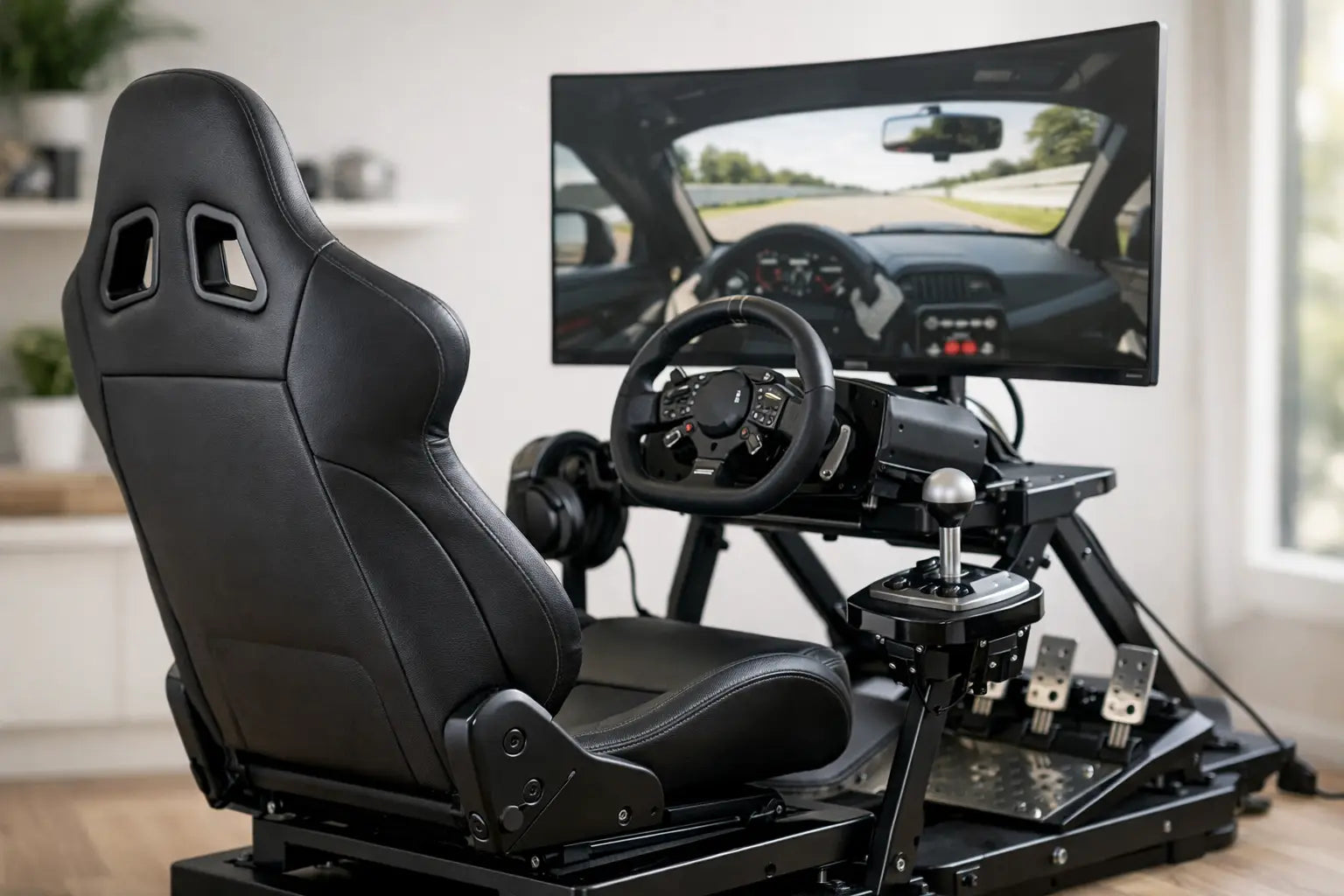
Space matters just as much as game selection. Full-size cabinets create the biggest visual impact and usually deliver the strongest arcade feel, but they can dominate a room. Mid-size and compact cabinets are easier to place in a media room, office, loft, or finished basement. If your setup already includes a racing simulator, gaming chair, or home theater furniture, every inch counts. Measure width, depth, and ceiling clearance before you fall in love with a cabinet design.
There is also a style decision hiding inside the technical one. Some buyers want their arcade machine to feel like a centerpiece, with bold artwork and classic lines that instantly set the tone of the room. Others want a cleaner, more modern look that blends with premium home entertainment gear. Neither approach is better. It depends on whether you are designing a retro corner or a polished tech-forward lounge.
Cabinet types and what they do best
Not every home arcade machine is trying to solve the same problem. That is why direct comparisons can get messy.
Full-size cabinets
If your goal is authenticity, a full-size cabinet is hard to beat. The stance, control deck spacing, screen position, and overall presence come closest to the real arcade experience. These machines are best for dedicated game rooms and buyers who see the cabinet as both entertainment and statement piece.
The trade-off is practical. They cost more, weigh more, and limit placement options. Moving one upstairs, around corners, or into a tighter bonus room is not something you want to figure out after delivery day.
Mid-size and home-friendly cabinets
This is often the sweet spot for people searching for the best arcade machine for home. You get a satisfying upright format without committing to the dimensions and cost of a commercial-scale unit. Many newer models in this category offer strong screens, respectable control quality, and enough visual presence to make the room feel complete.
The compromise is usually in ergonomics or materials. Some machines look fantastic but feel slightly cramped for taller adults, especially in two-player sessions. Others lean more heavily on convenience than premium construction.
Cocktail and tabletop arcade machines
These work well in multipurpose spaces because they double as furniture. They are a smart fit for open-concept basements, lounges, and game rooms where flexibility matters. They also create a different social feel, especially for classic puzzle, maze, and head-to-head titles.
Still, they are not ideal for every genre. If your dream setup revolves around standing play, fighting games, or shooters, a cocktail unit may look cool but feel less satisfying over time.
The features that separate a good machine from a great one
A large game count sounds impressive, but it should not be the main selling point. A curated library of games you will return to is better than hundreds of titles you never launch. Look for genre fit first. If you love fighters, make sure the controls and roster support that. If your household wants family-friendly variety, focus on cabinets with broader appeal rather than niche nostalgia.
Screen quality is one of the most overlooked factors. A bright, sharp display with good viewing angles makes a noticeable difference, especially in rooms with ambient light. Cheap screens flatten the experience fast. The cabinet can look amazing from across the room and still disappoint once play starts.
Controls deserve the same scrutiny. Buttons should feel responsive, not mushy. Joysticks should return cleanly and handle repeated use without feeling loose. For serious players, this can be the difference between a novelty purchase and a machine that stays in regular rotation. If you are investing in premium home entertainment, the control feel should match the rest of your setup.
Audio also changes the experience more than many buyers expect. Strong onboard speakers bring life to older games and help the machine hold its own in a larger room. Weak audio makes the cabinet feel smaller than it is.
Then there is connectivity. Some modern arcade machines include online play, score tracking, software updates, or companion features that extend their lifespan. For some buyers, that added functionality is a major win. For others, it is extra complexity attached to a machine they want to feel timeless. This is one of those true it-depends decisions.
Budget, value, and what you are really paying for
Arcade machines span a wide price range, and value is not always obvious on the product page. Lower-cost cabinets can be a great way to bring home retro energy without overcommitting, but they often cut corners in materials, screen size, or control quality. That may be fine for casual use. It is less fine if you expect daily play or a more premium finish.
At the higher end, you are typically paying for stronger construction, better displays, more polished design, and a more convincing arcade feel. You may also get improved reliability and better support. For buyers who care about long-term ownership and room aesthetics, that premium can make sense.
The smartest way to evaluate cost is to think about role. Is this machine a novelty addition, a family favorite, or the centerpiece of your entertainment space? If it is the centerpiece, a bargain model that feels flimsy will not feel like a bargain for long.
The best arcade machine for home depends on your setup
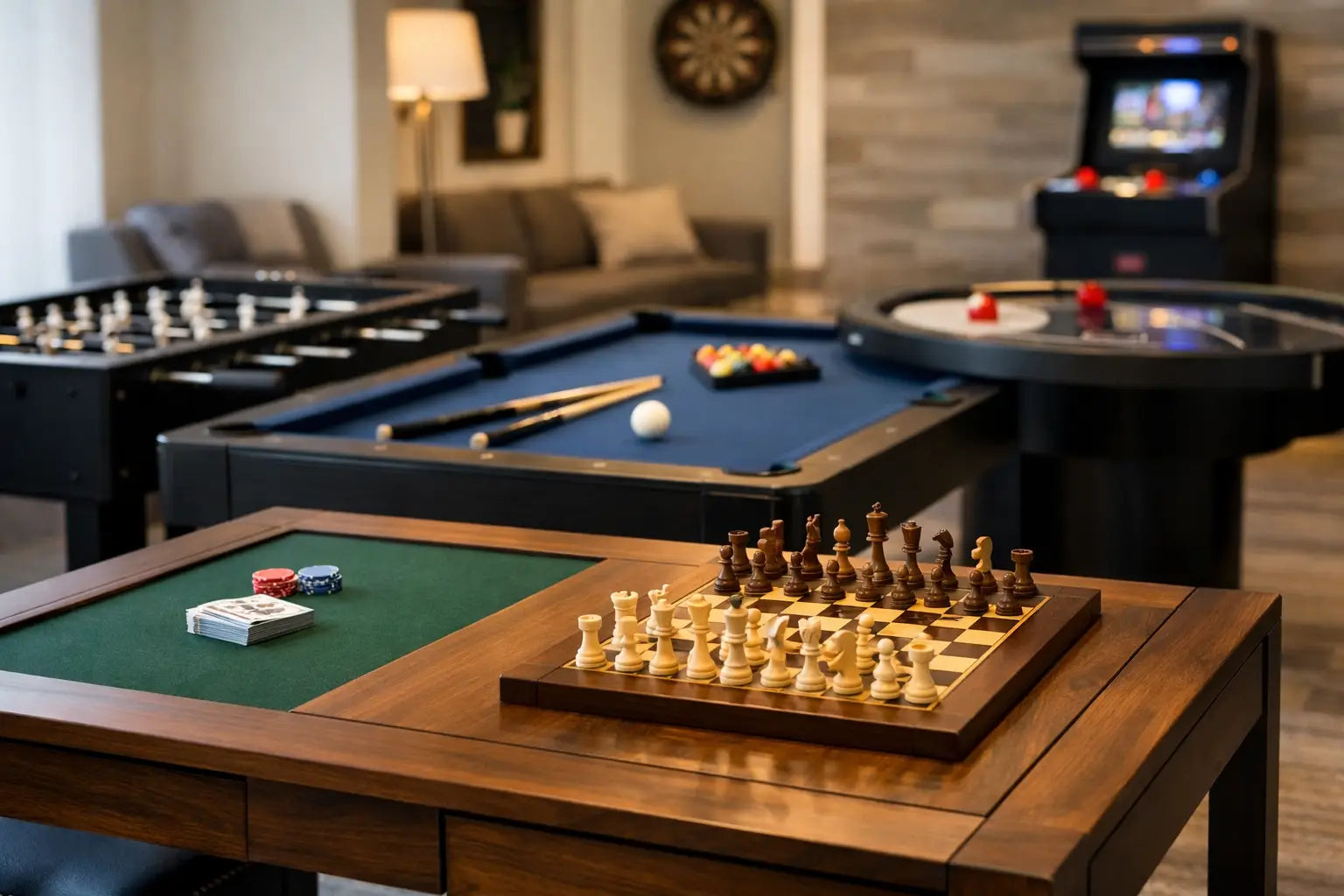
A loft apartment, a dedicated basement arcade, and a shared family media room all call for different decisions. In a smaller home, compact or mid-size units often win because they preserve flow without giving up the fun. In a larger game room, a full-size cabinet can anchor the space and pair well with other enthusiast gear like air hockey, racing simulators, or premium seating.
Think about how the machine will live with the rest of your equipment. If your entertainment area already leans modern and performance-driven, look for a cabinet that complements that energy instead of fighting it. If your goal is pure retro personality, embrace the bold graphics and classic silhouettes.
This is where a curated retailer can save time. Instead of sorting through endless mixed-quality listings, buyers can focus on machines that already align with premium home entertainment standards. That is especially useful when you are not just buying a game, but shaping the atmosphere of the room. Your Tech Haven sits naturally in that lane, where innovation meets elevated at-home experiences.
Common mistakes buyers make
The biggest mistake is shopping for nostalgia alone. Nostalgia gets the click, but daily usability determines whether the machine becomes part of your routine or turns into expensive decor. A cabinet that reminds you of your favorite arcade memory still has to fit your room, your height, your play habits, and your expectations for quality.
Another common misstep is underestimating assembly and delivery logistics. A machine may technically fit your space and still be difficult to get there. Check access paths, stairwells, and floor space before ordering.
Finally, do not assume more features always mean more fun. Sometimes a straightforward cabinet with excellent controls and a focused game lineup delivers a better ownership experience than a feature-heavy unit that tries to do everything.
If you are choosing carefully, think less about chasing the biggest spec sheet and more about building the kind of room you will want to spend time in. The right arcade machine should feel exciting on day one, but it should also still feel right months later when friends come over, the lights go down, and the room finally feels finished.