







Racing Gaming Chairs
Find Your Perfect Racing Cockpit
Compare our top Playseat racing simulators side by side to find the right fit for your setup, space, and racing style.


Price
$1,199.00
$2,499.00
Seating Position
GT / Rally
Open-wheel / F1®
Frame Material
Steel & aluminum
Premium steel
Foldable Design
Yes
No
Monitor Mount Ready
Yes
Yes
Adjustable Pedal Plate
Yes
Yes
Best For
Immersive GT racing
Pro F1® simulation
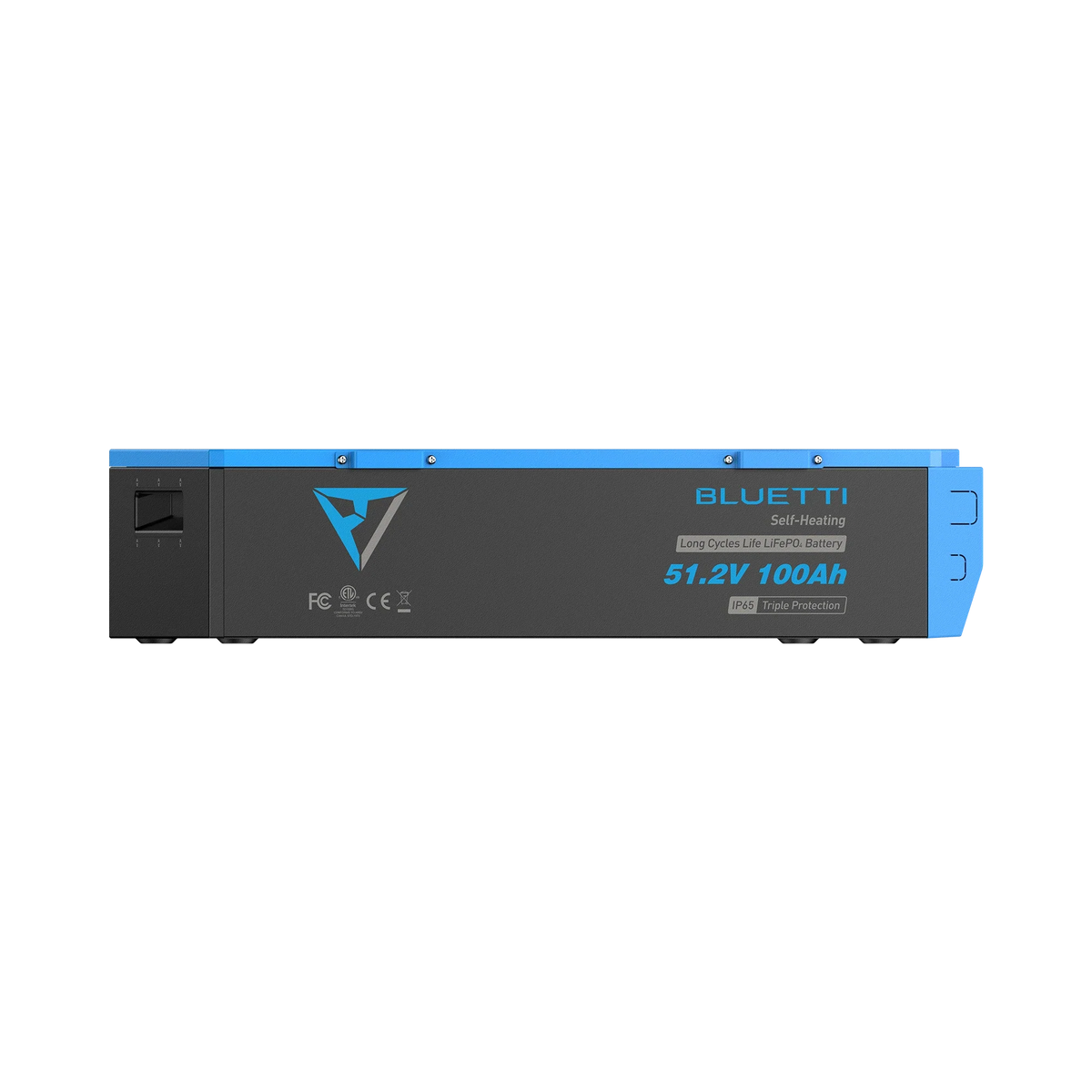
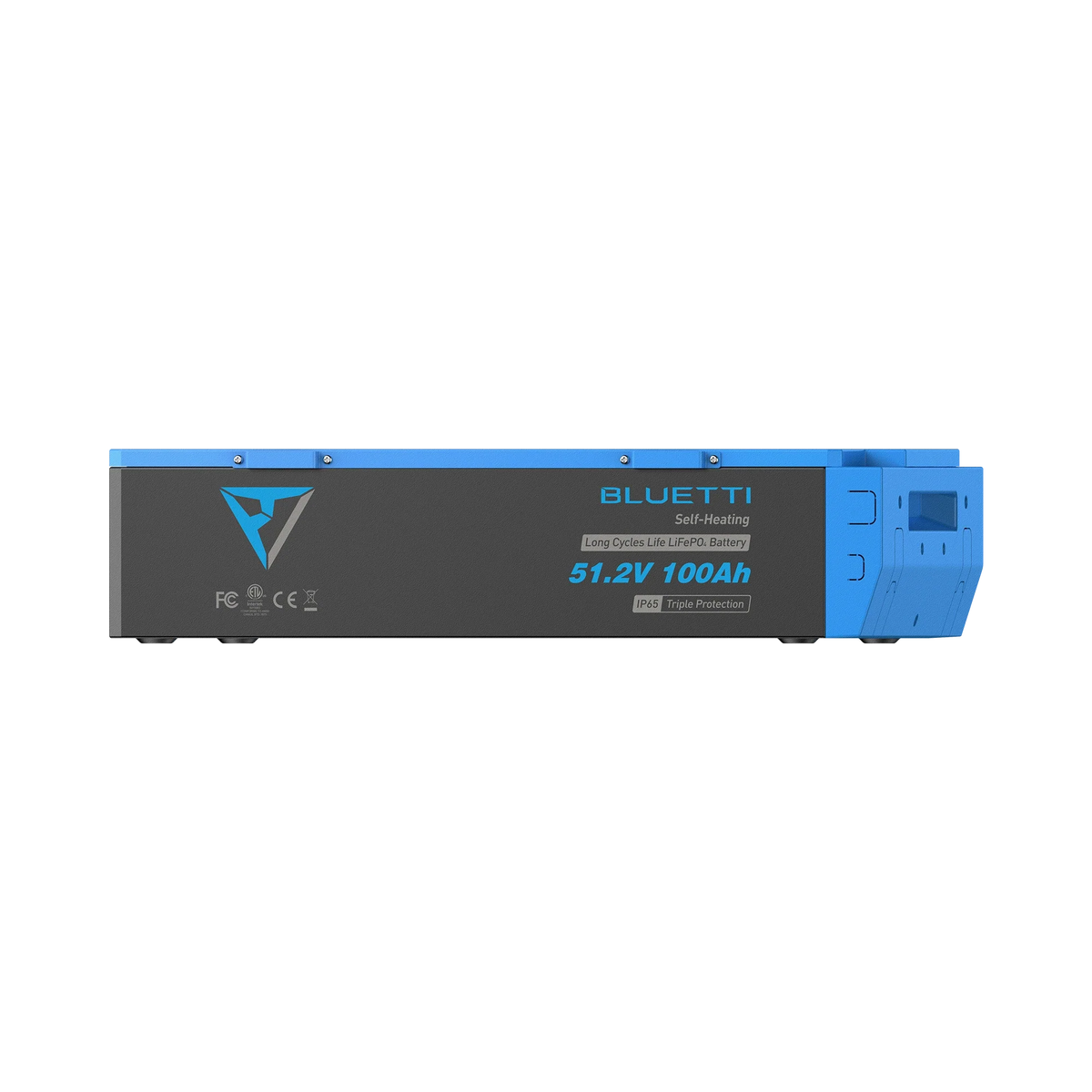
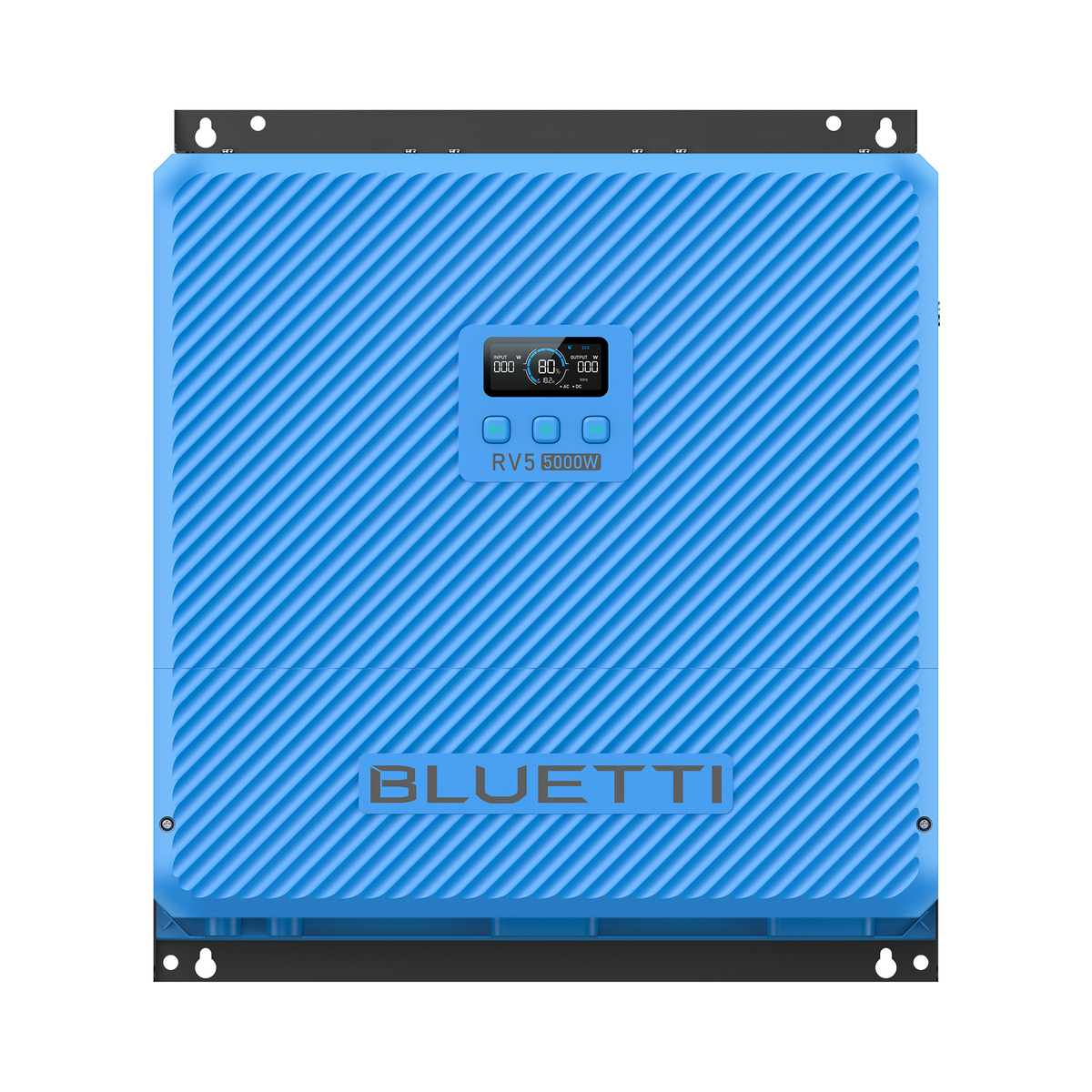
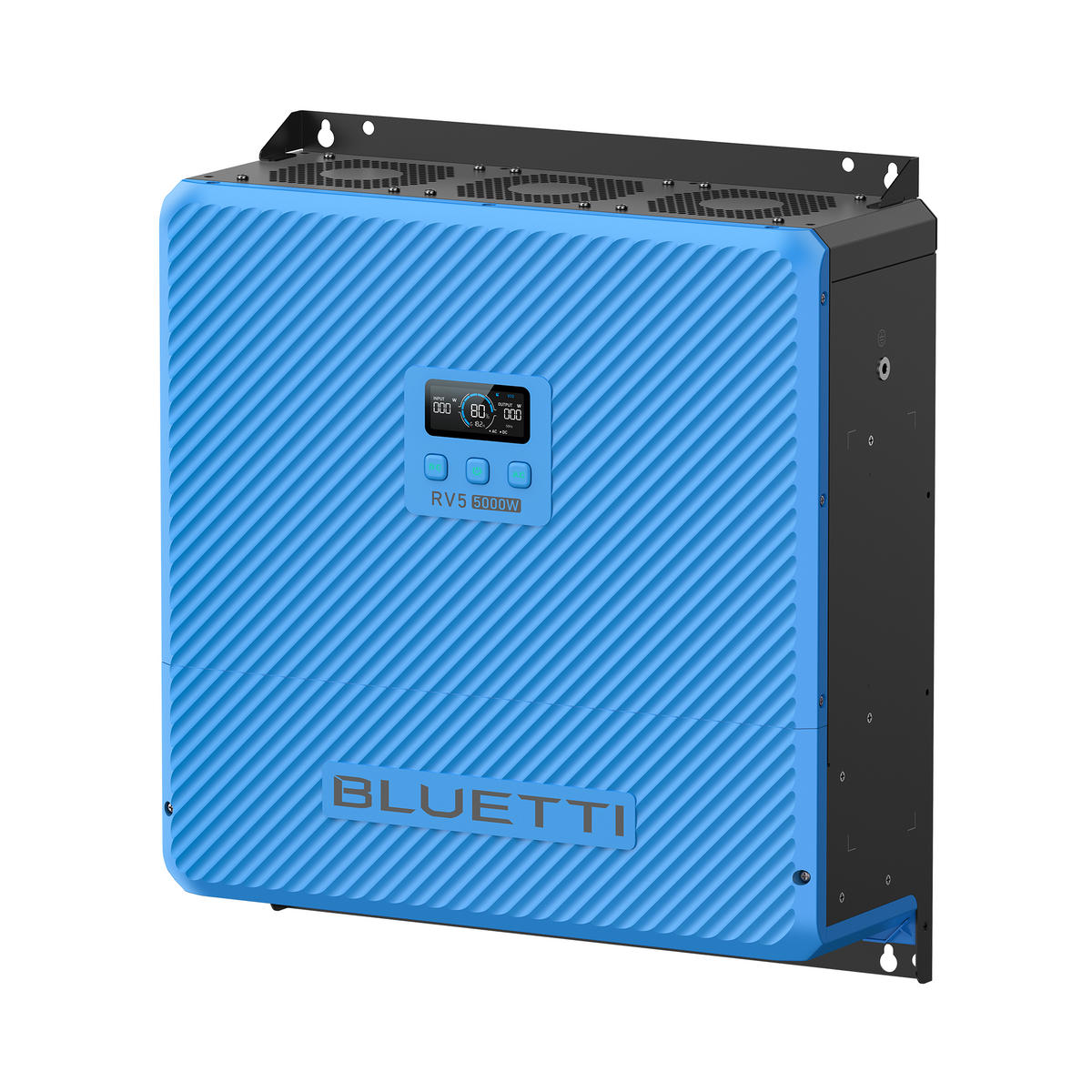
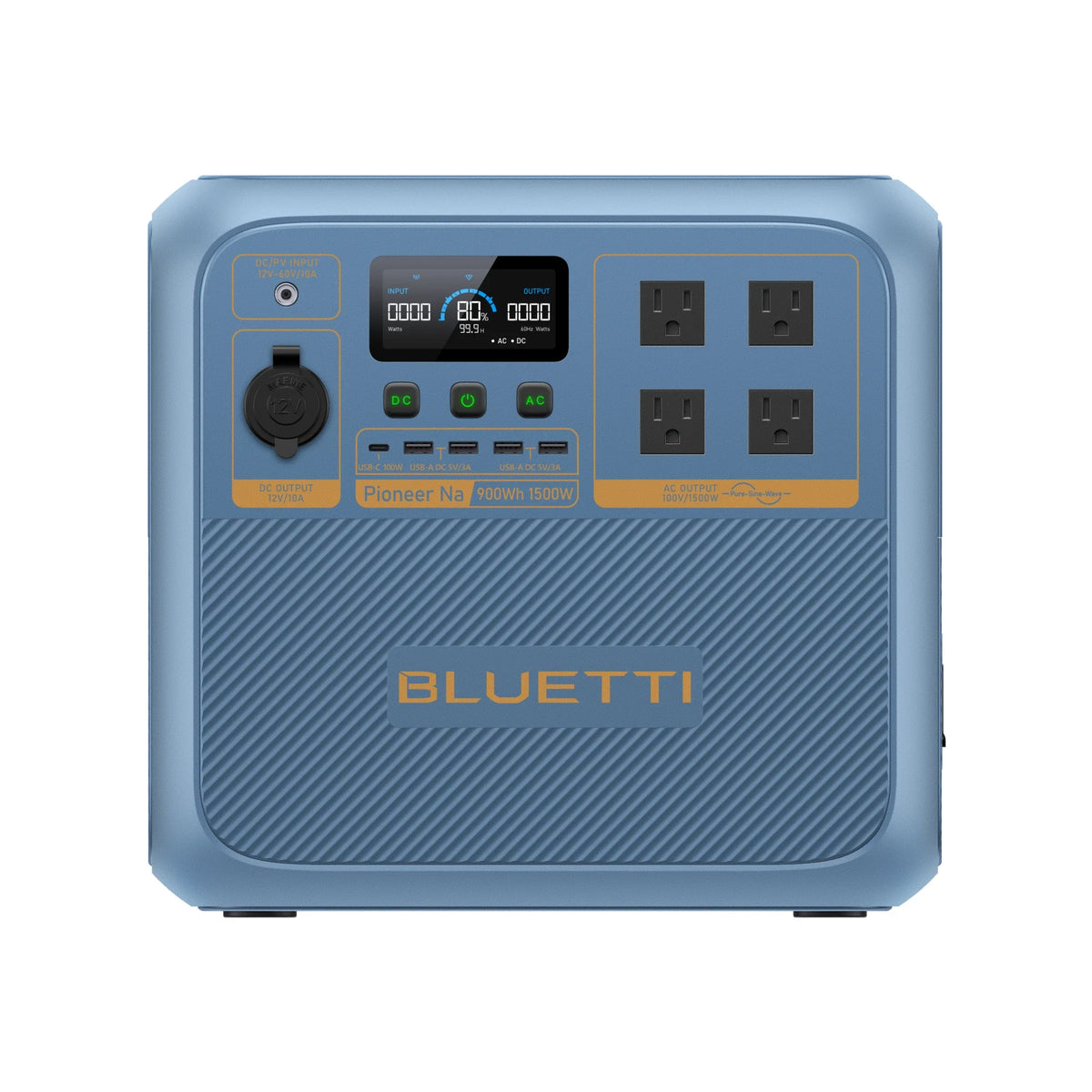
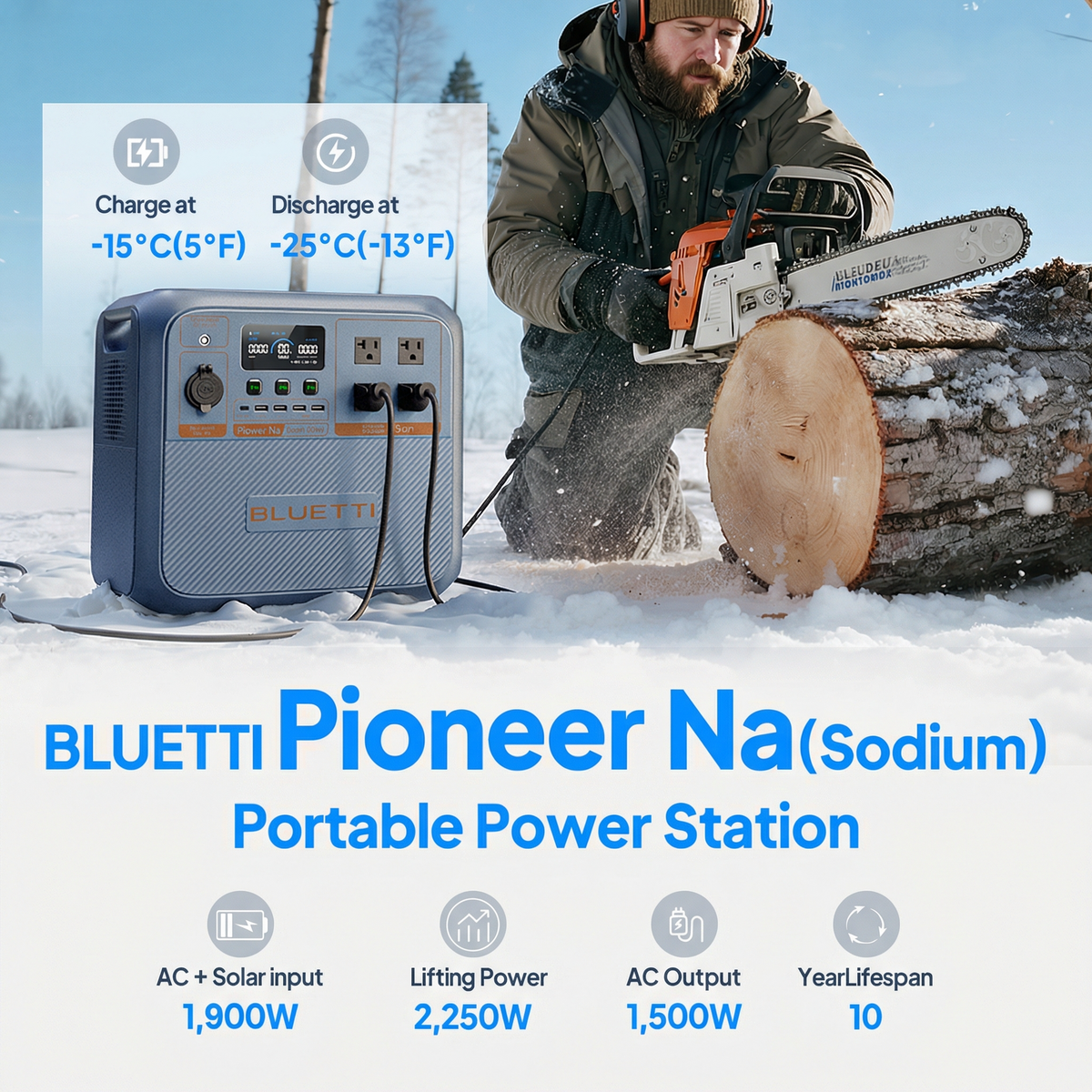
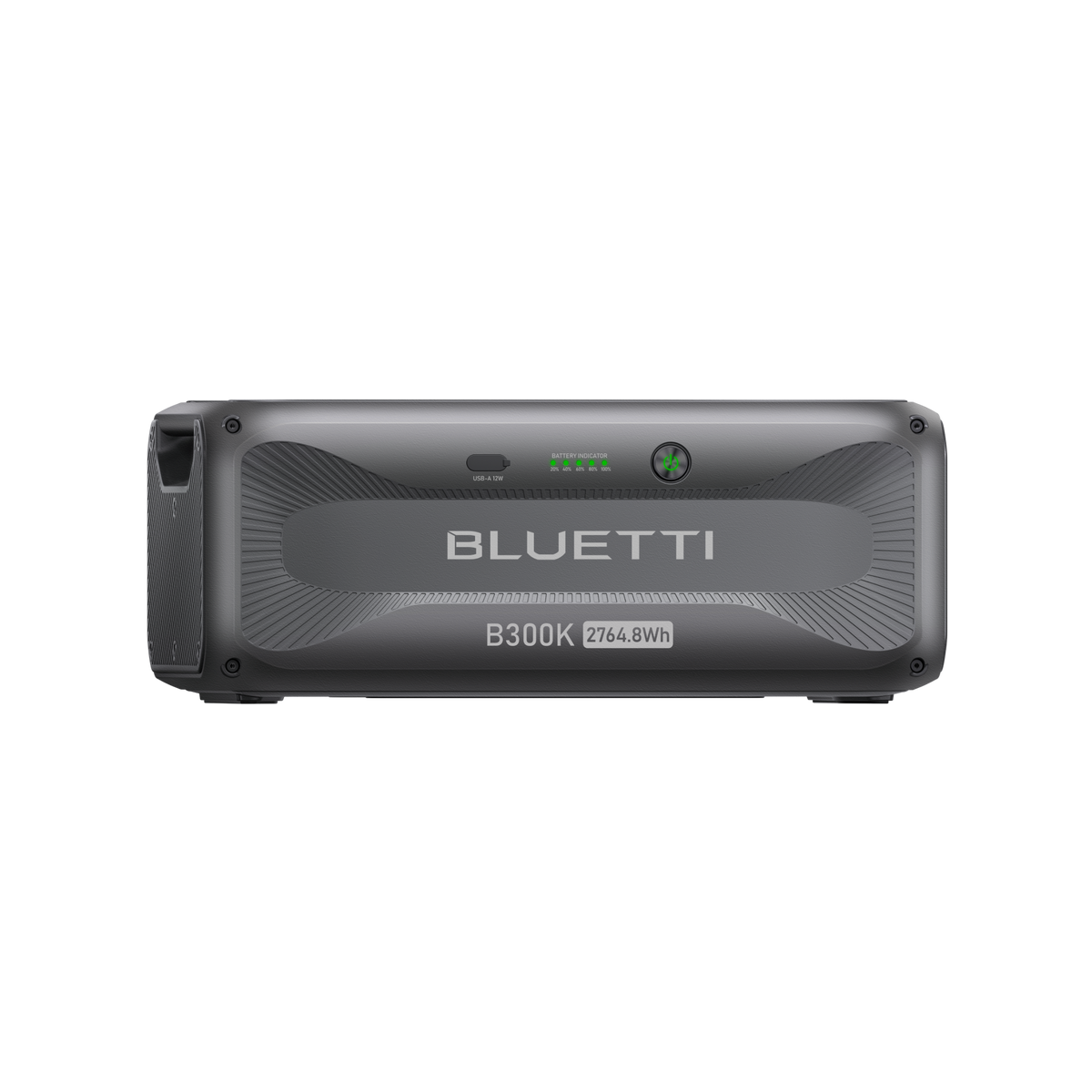
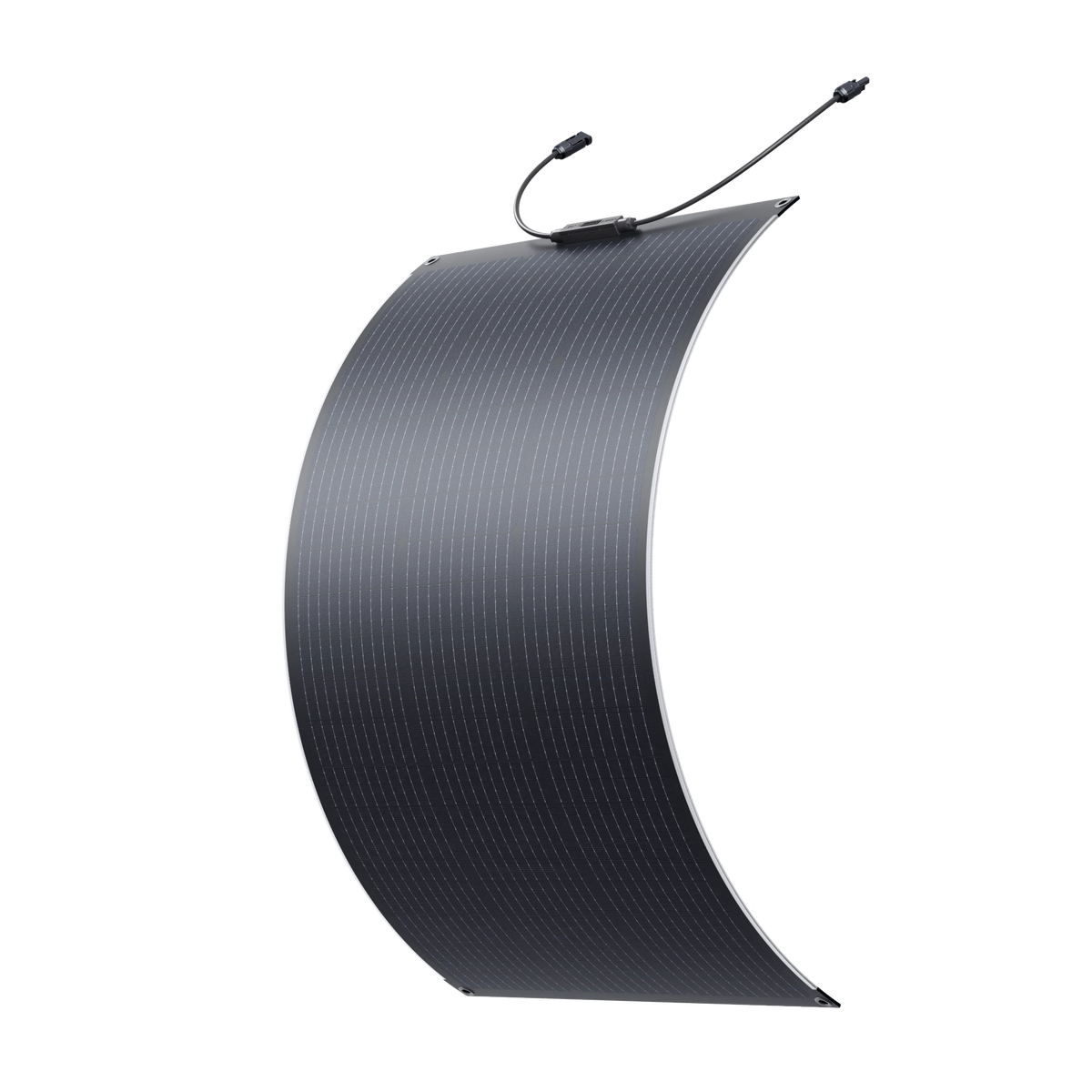
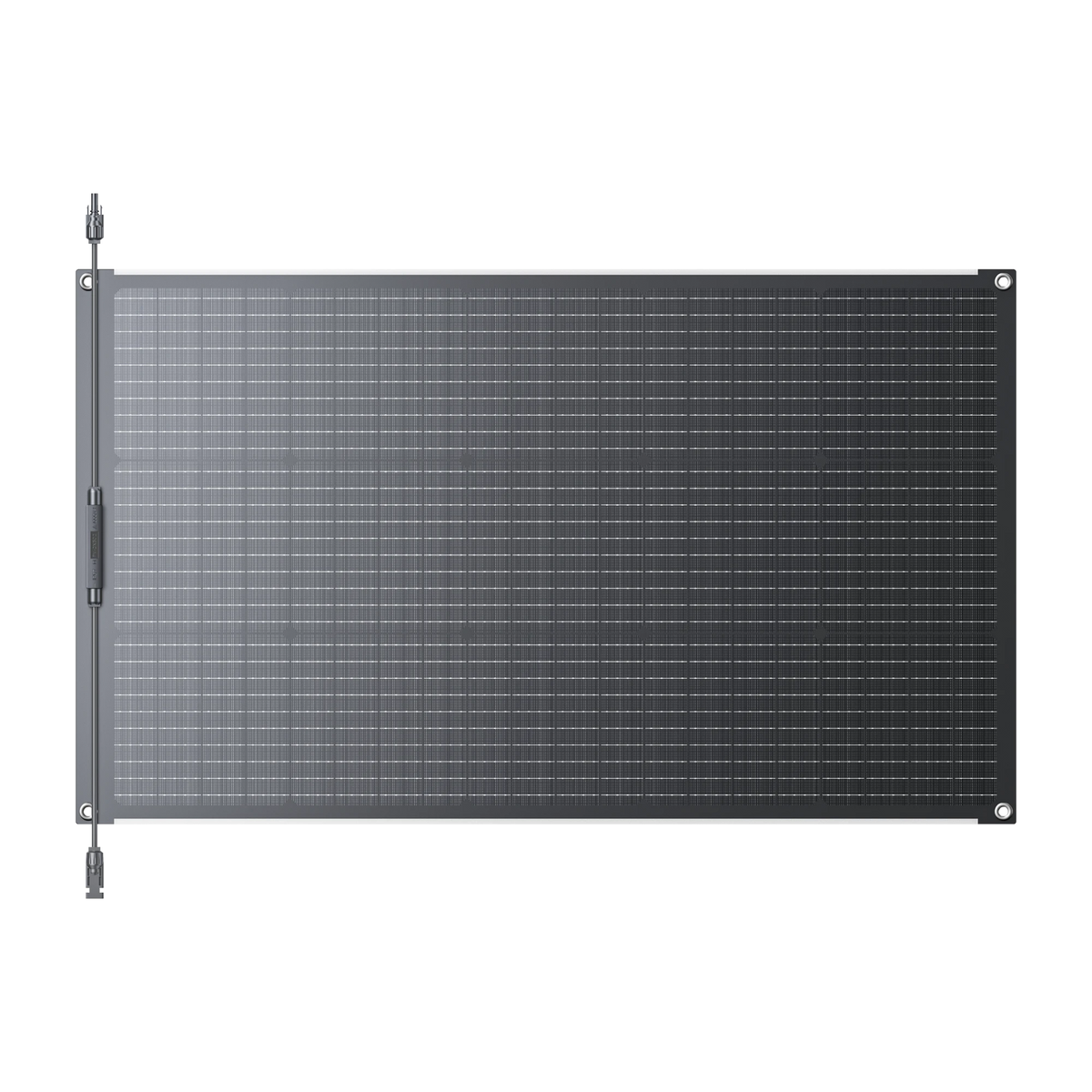
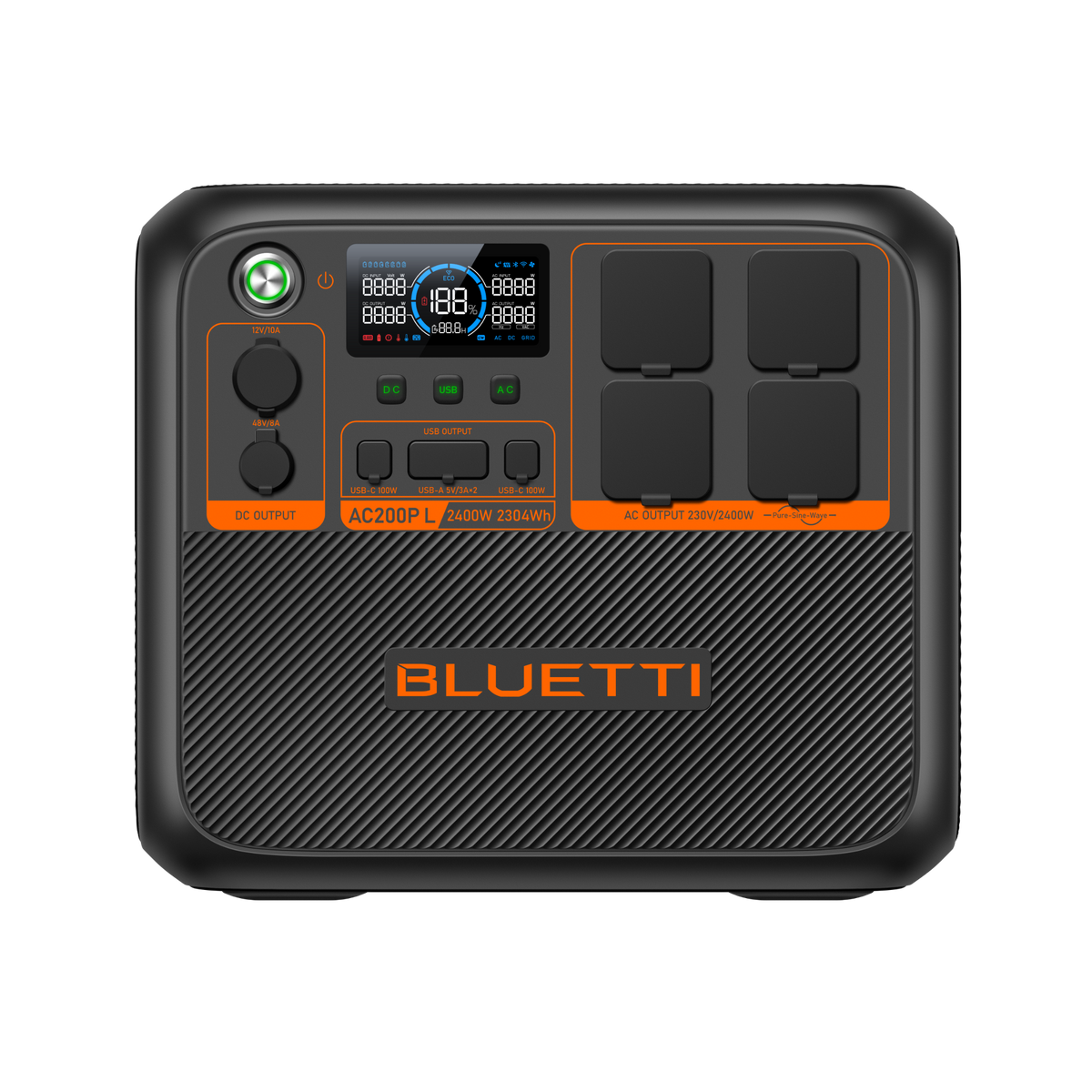
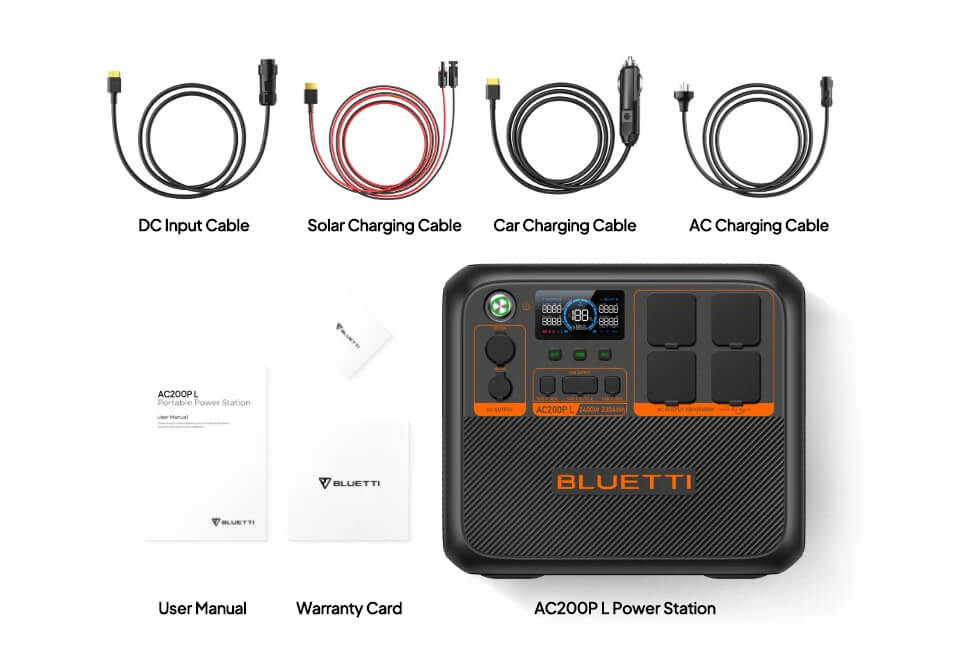
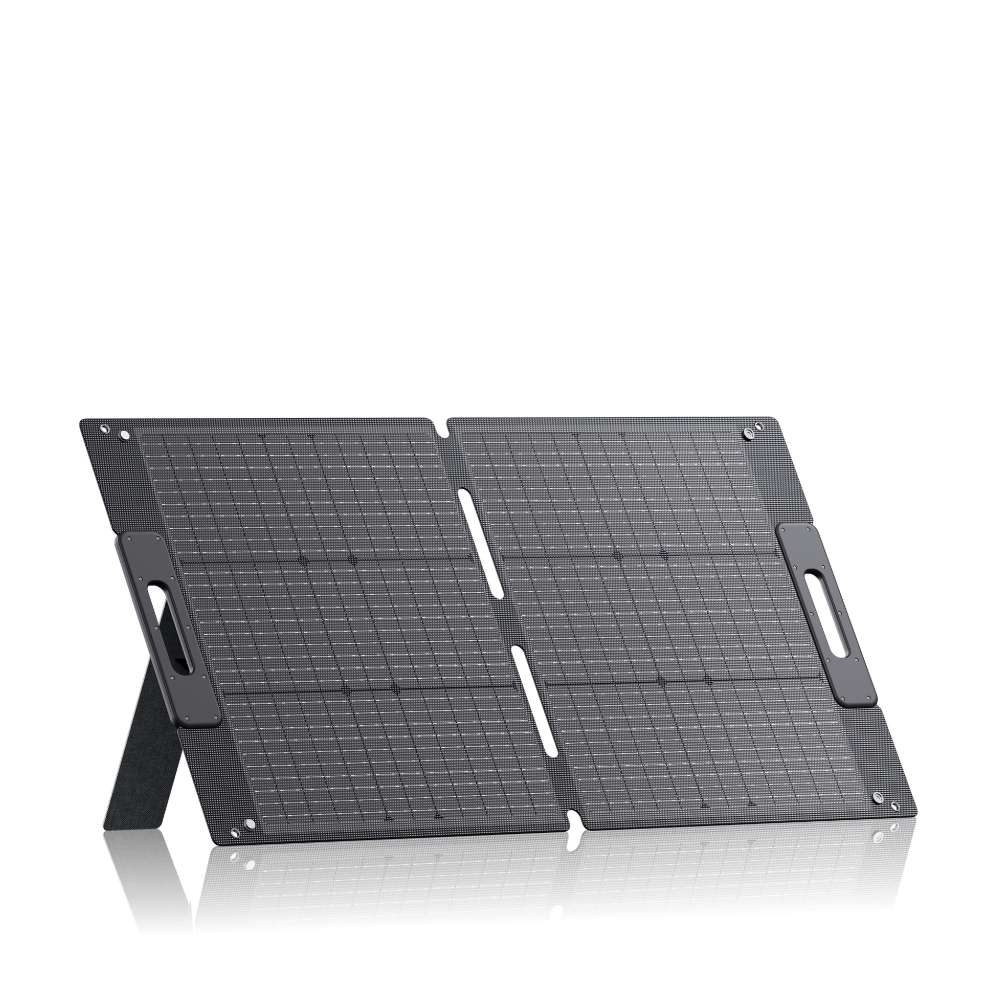
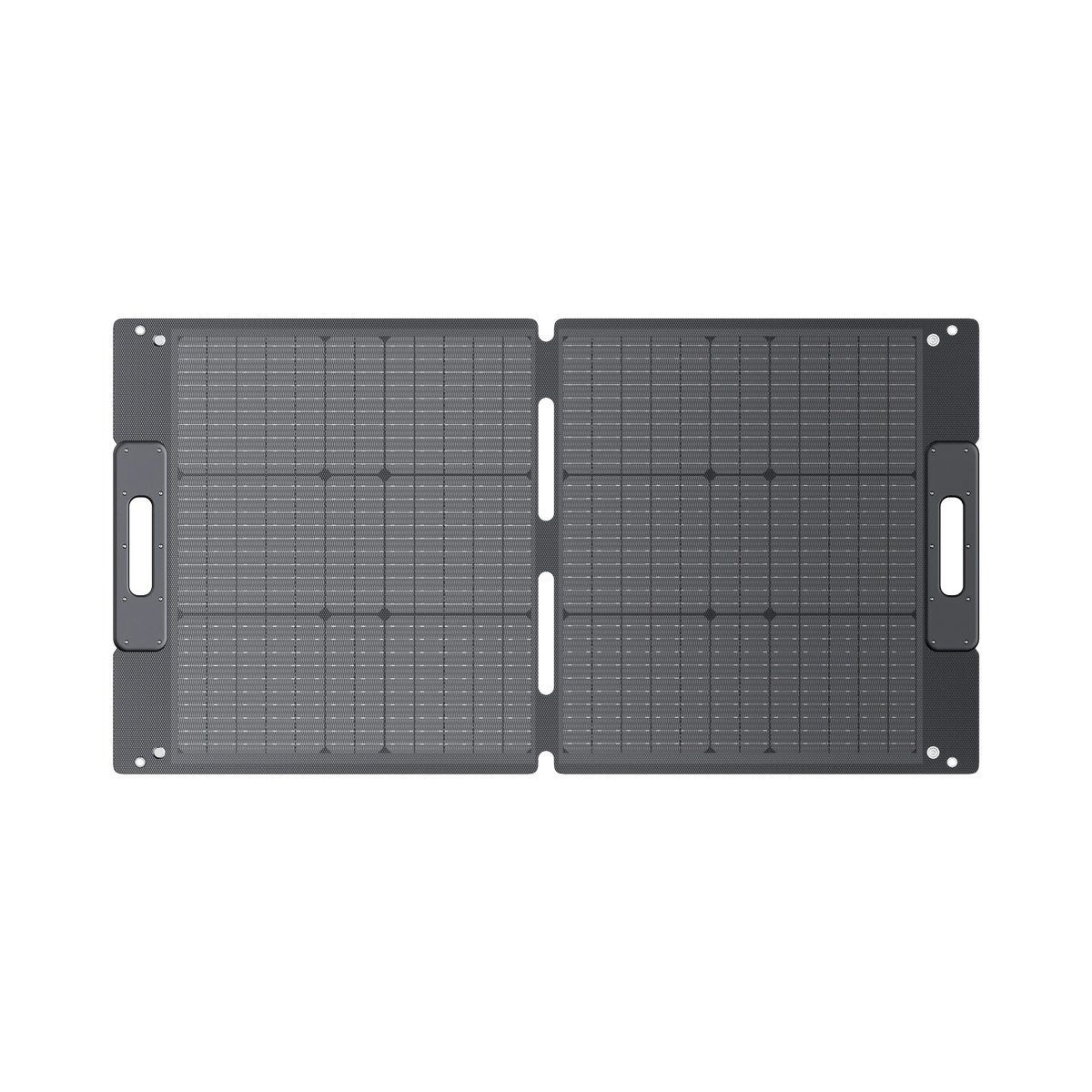
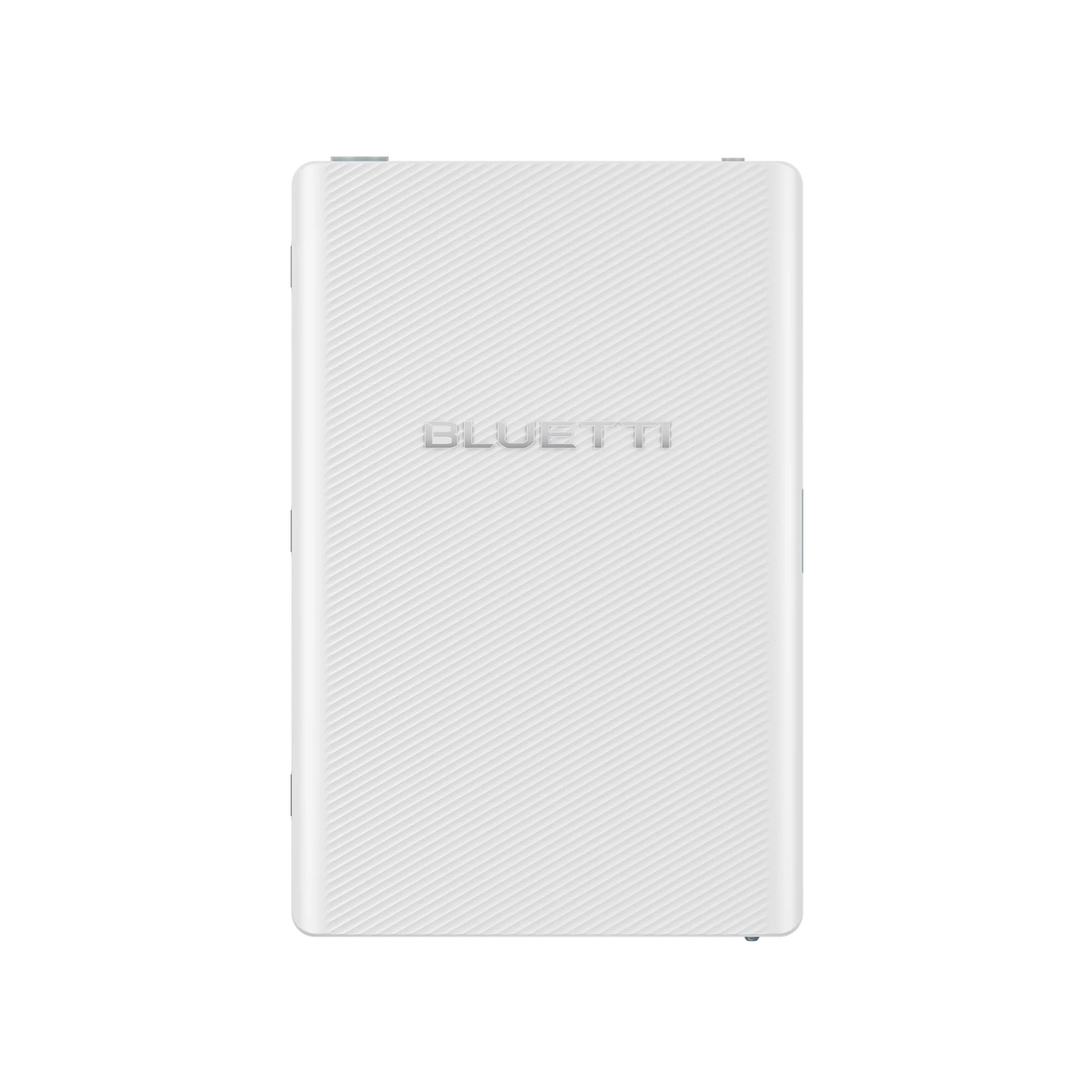
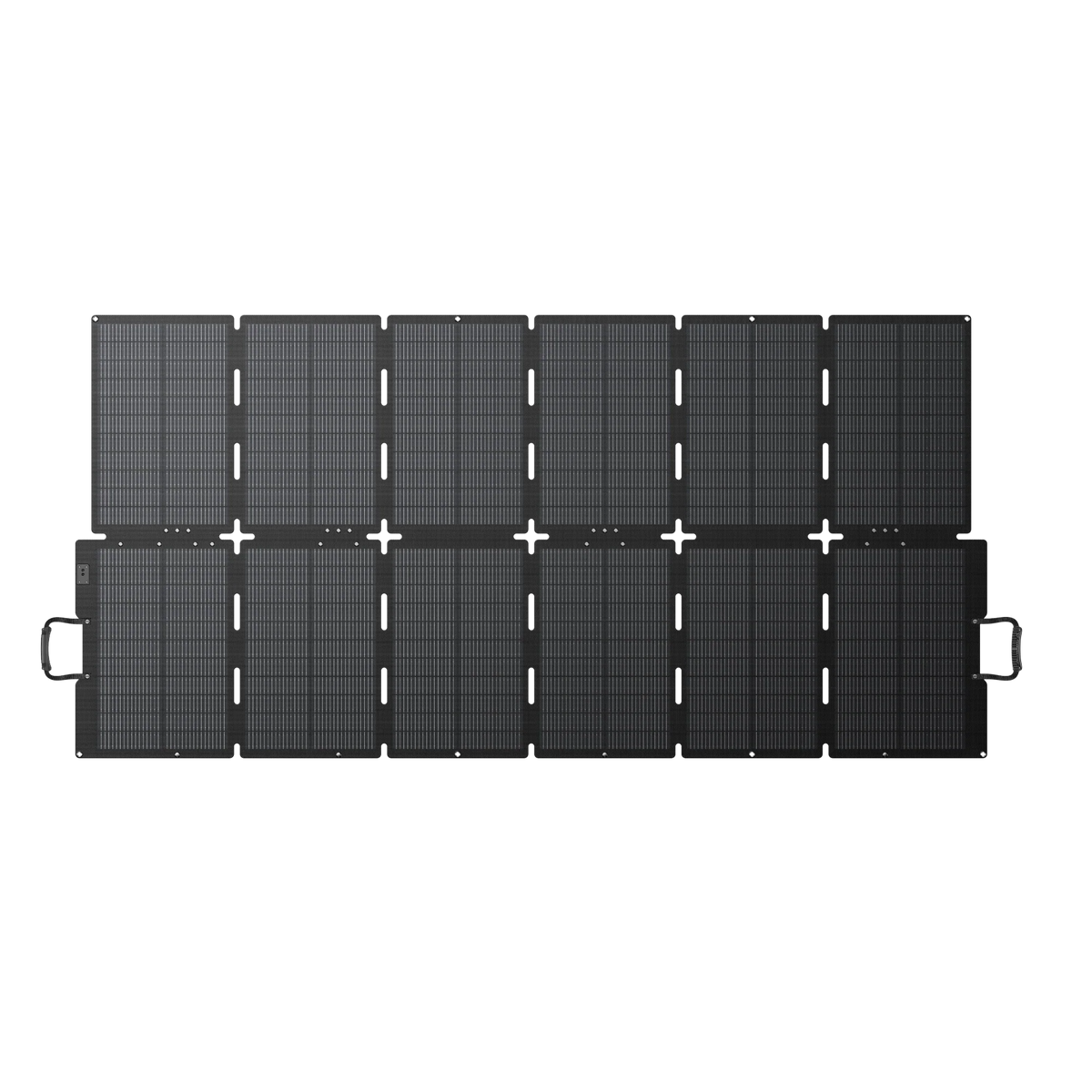
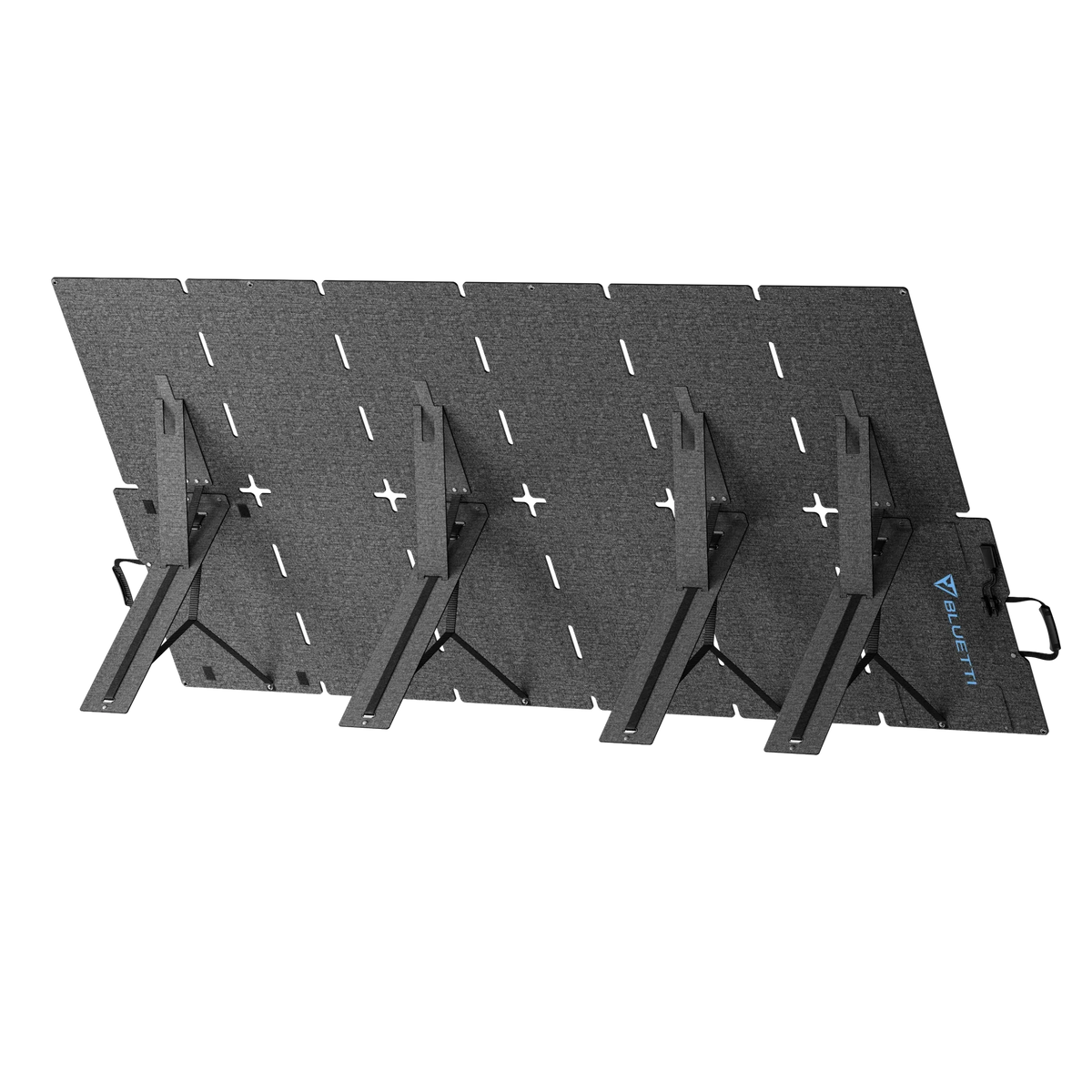
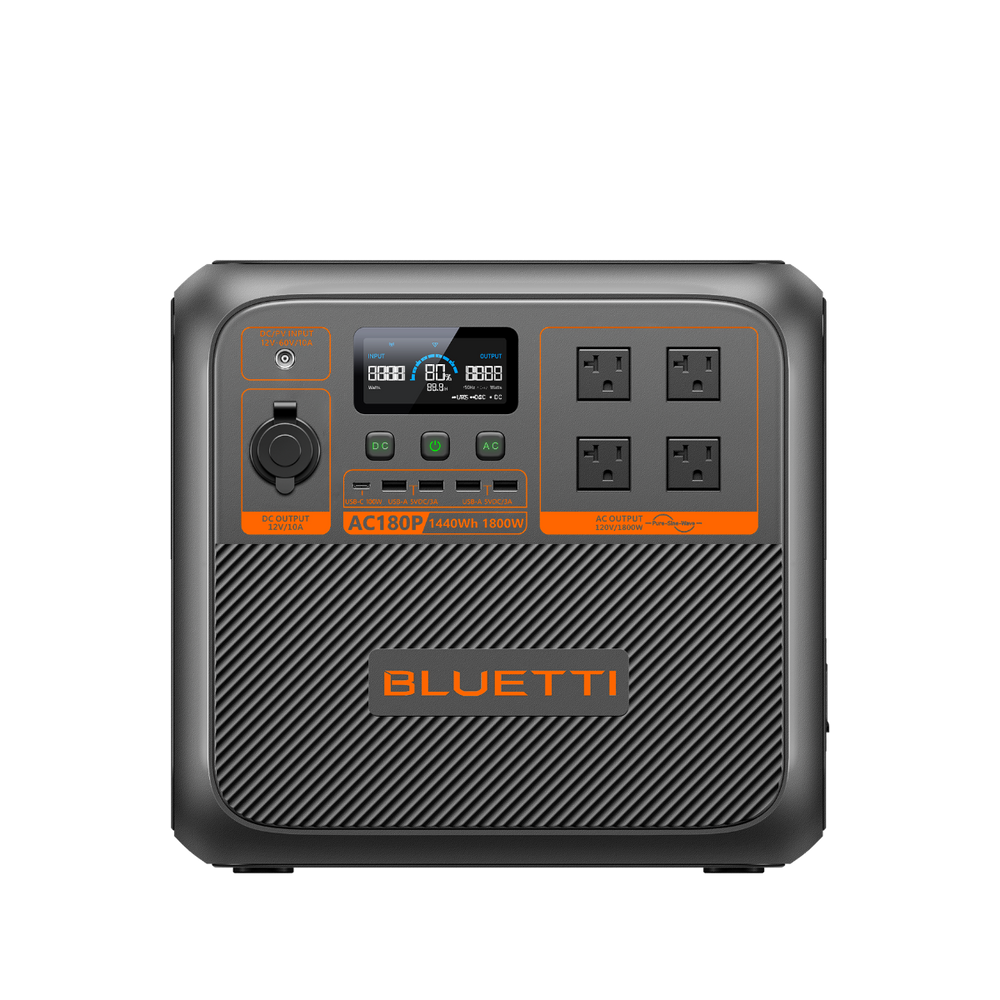
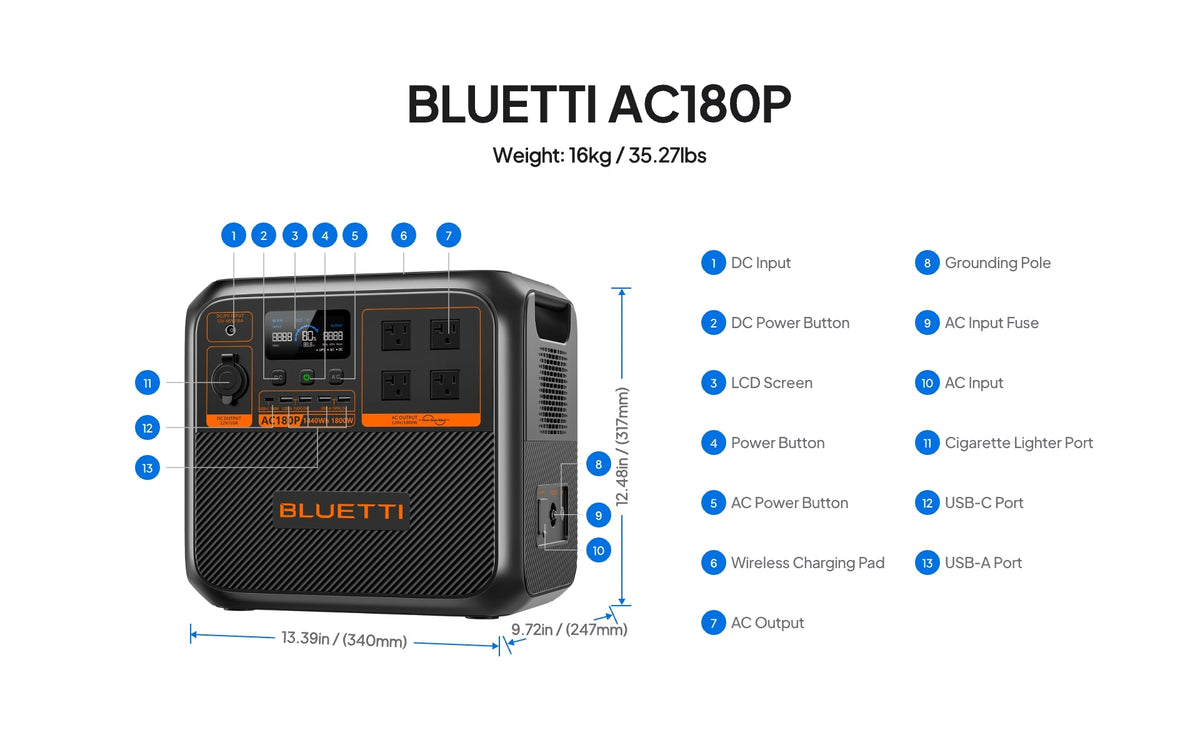
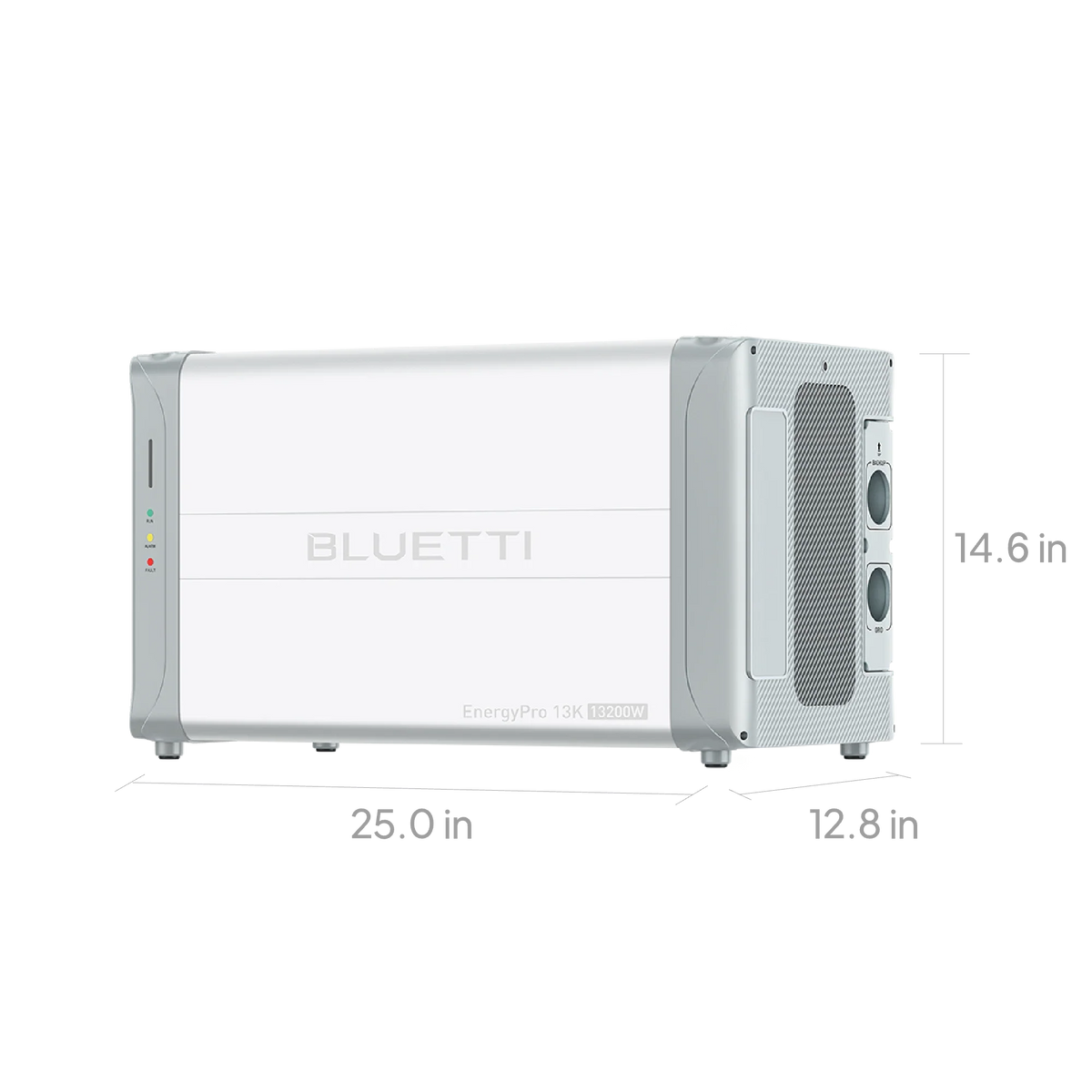
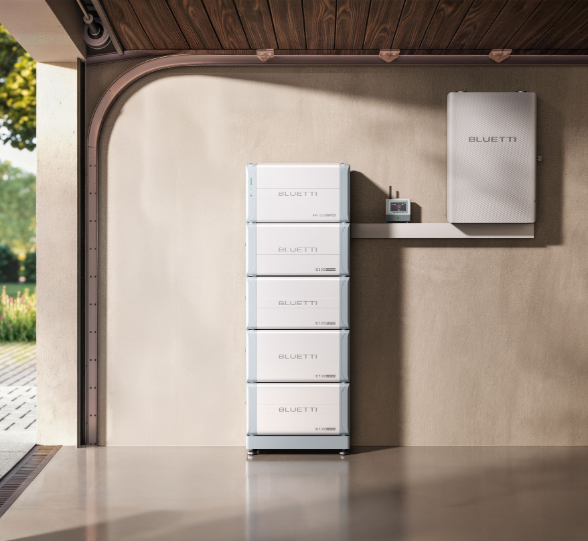
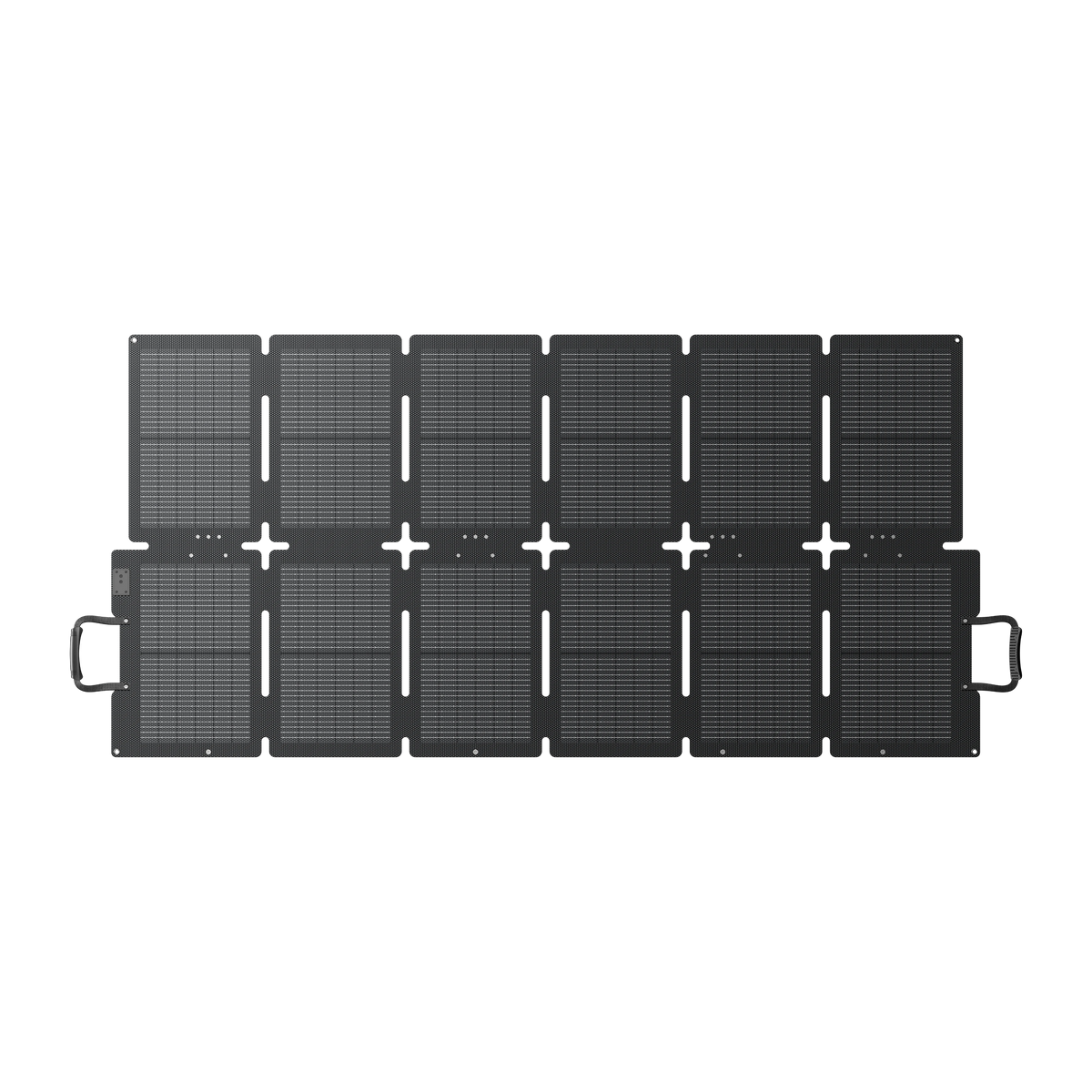
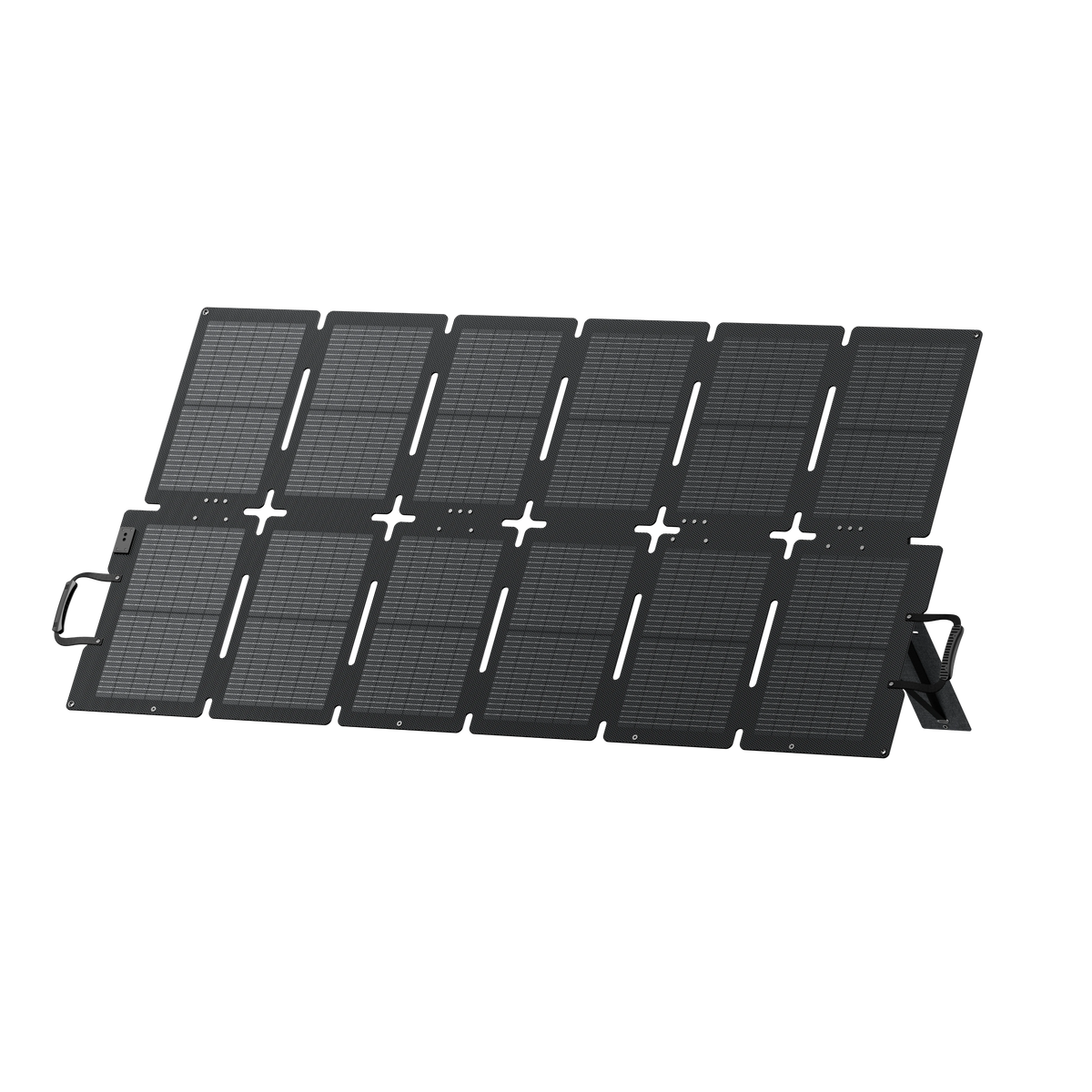
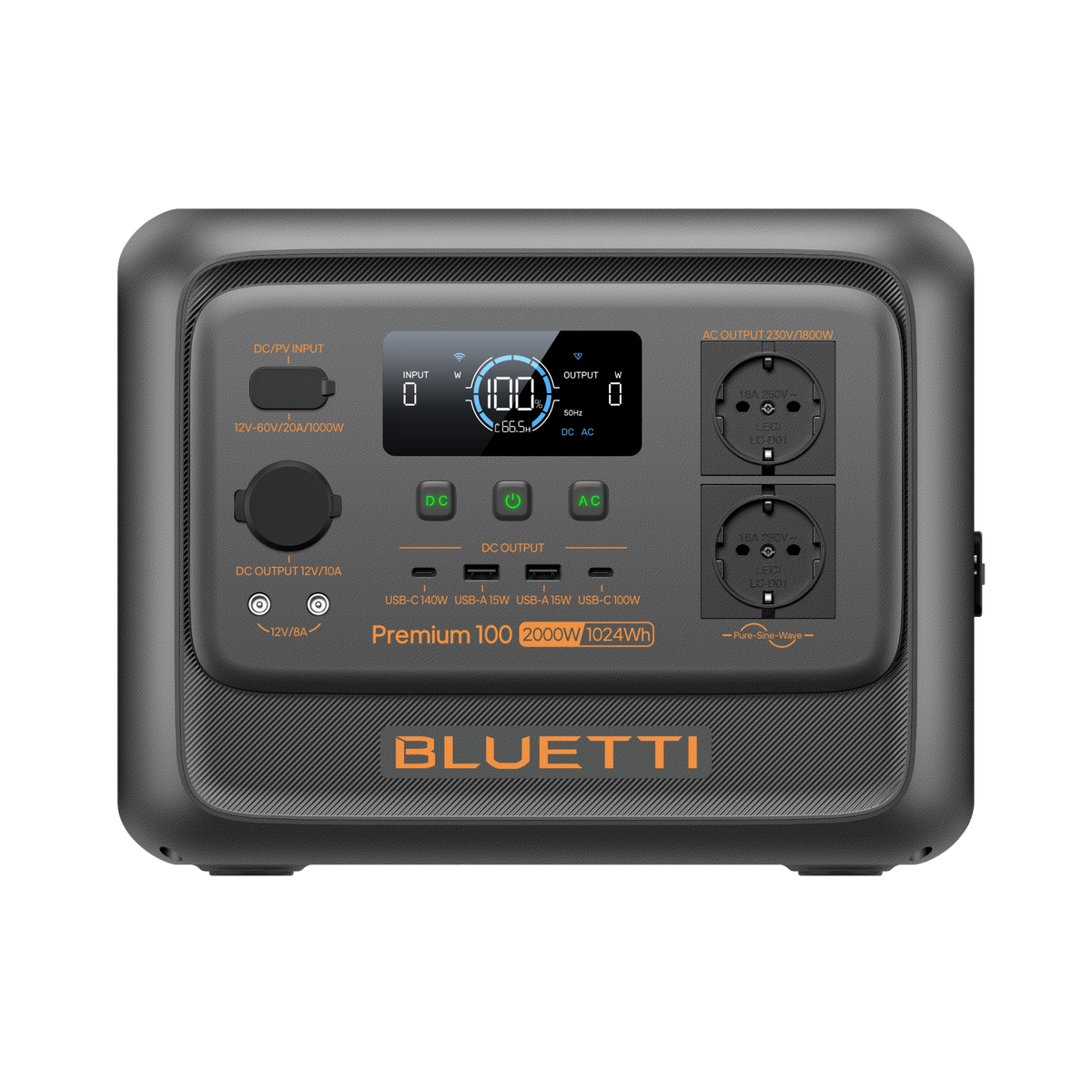
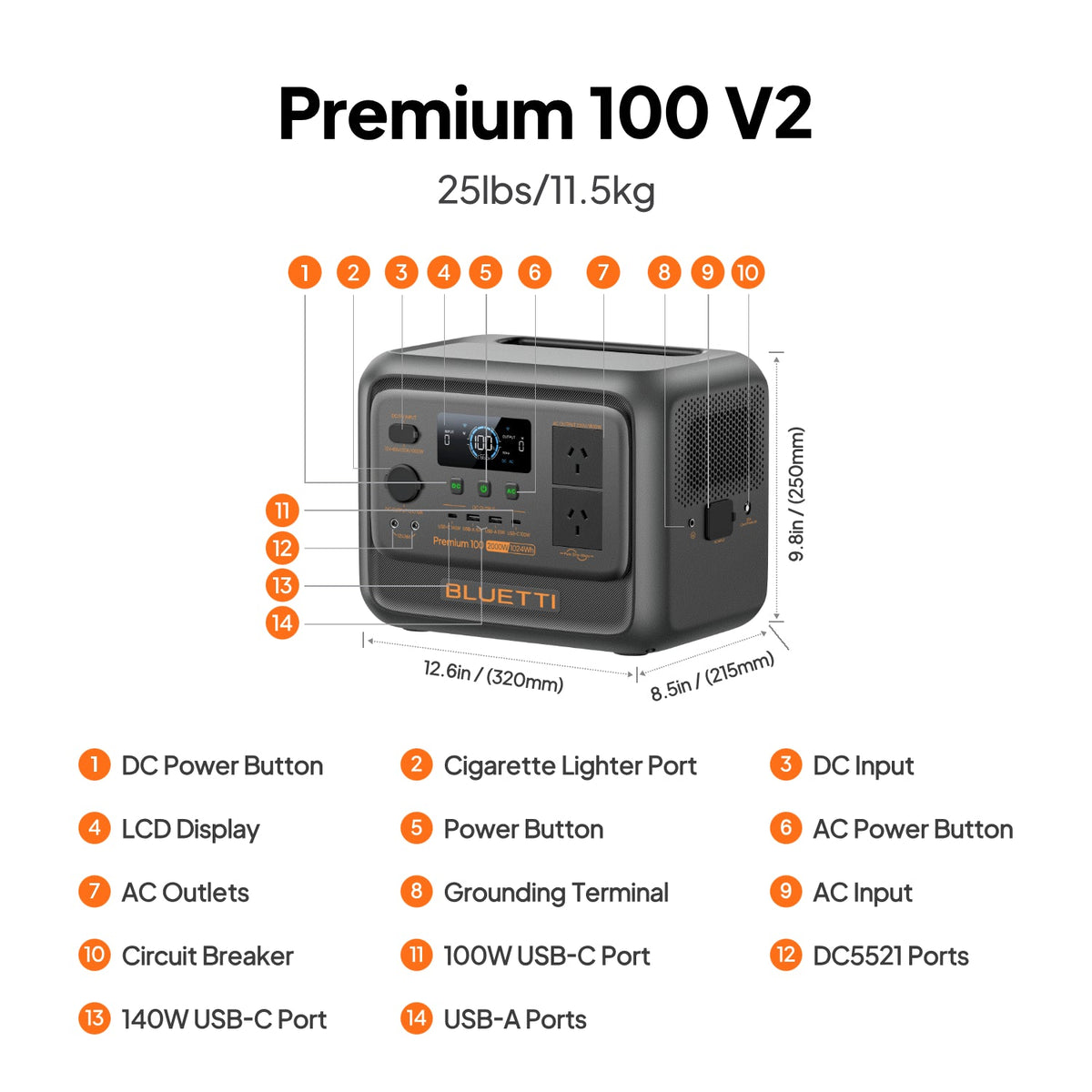
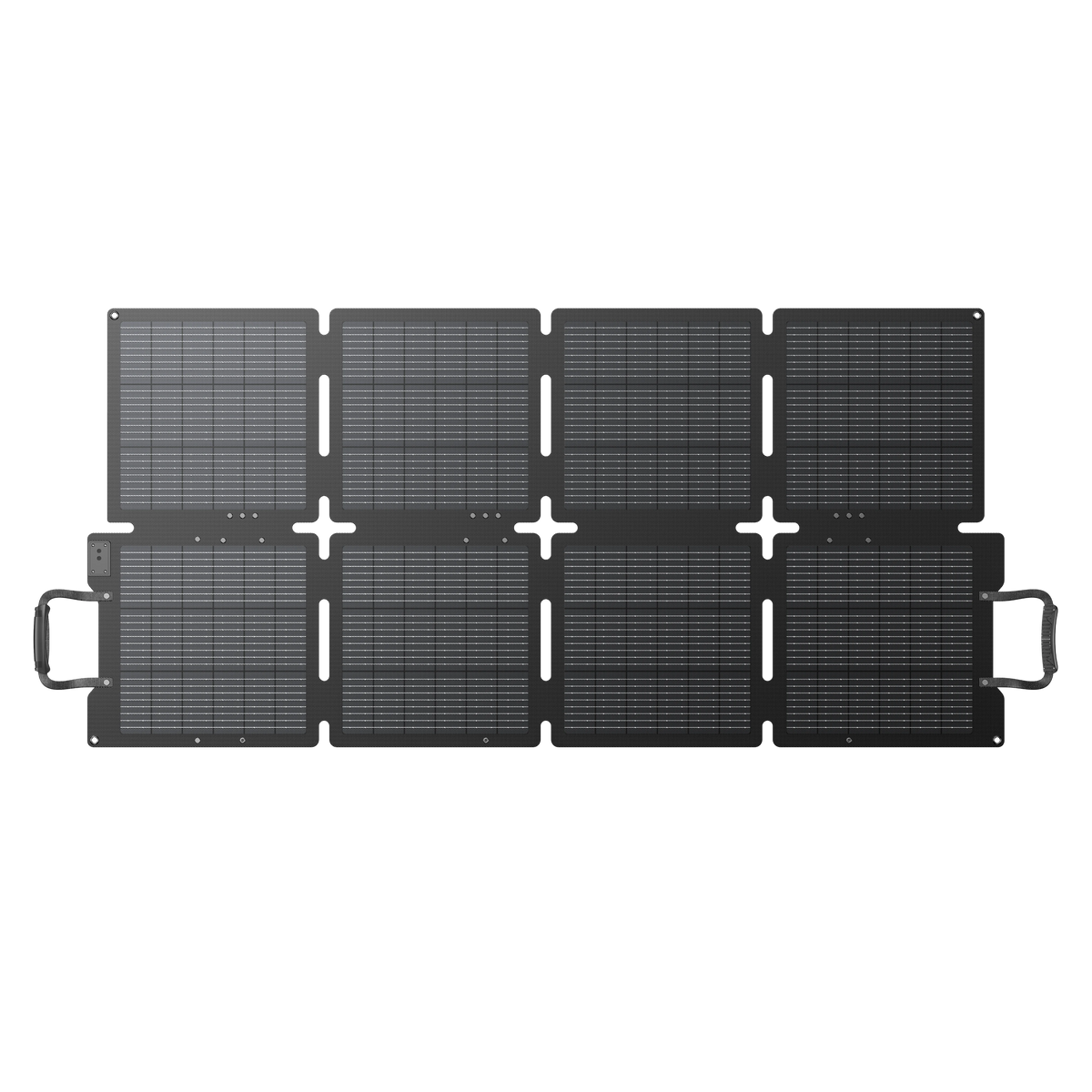
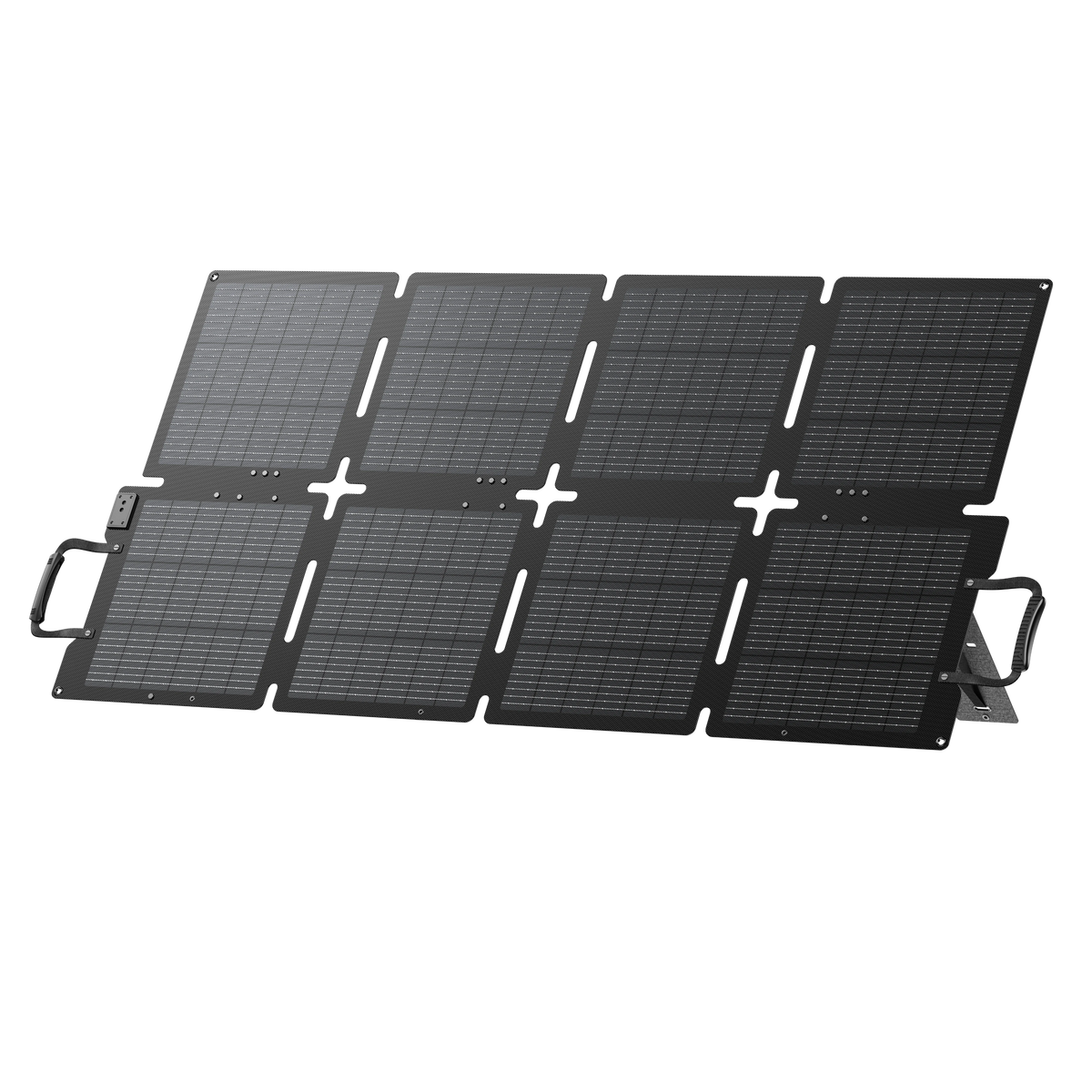
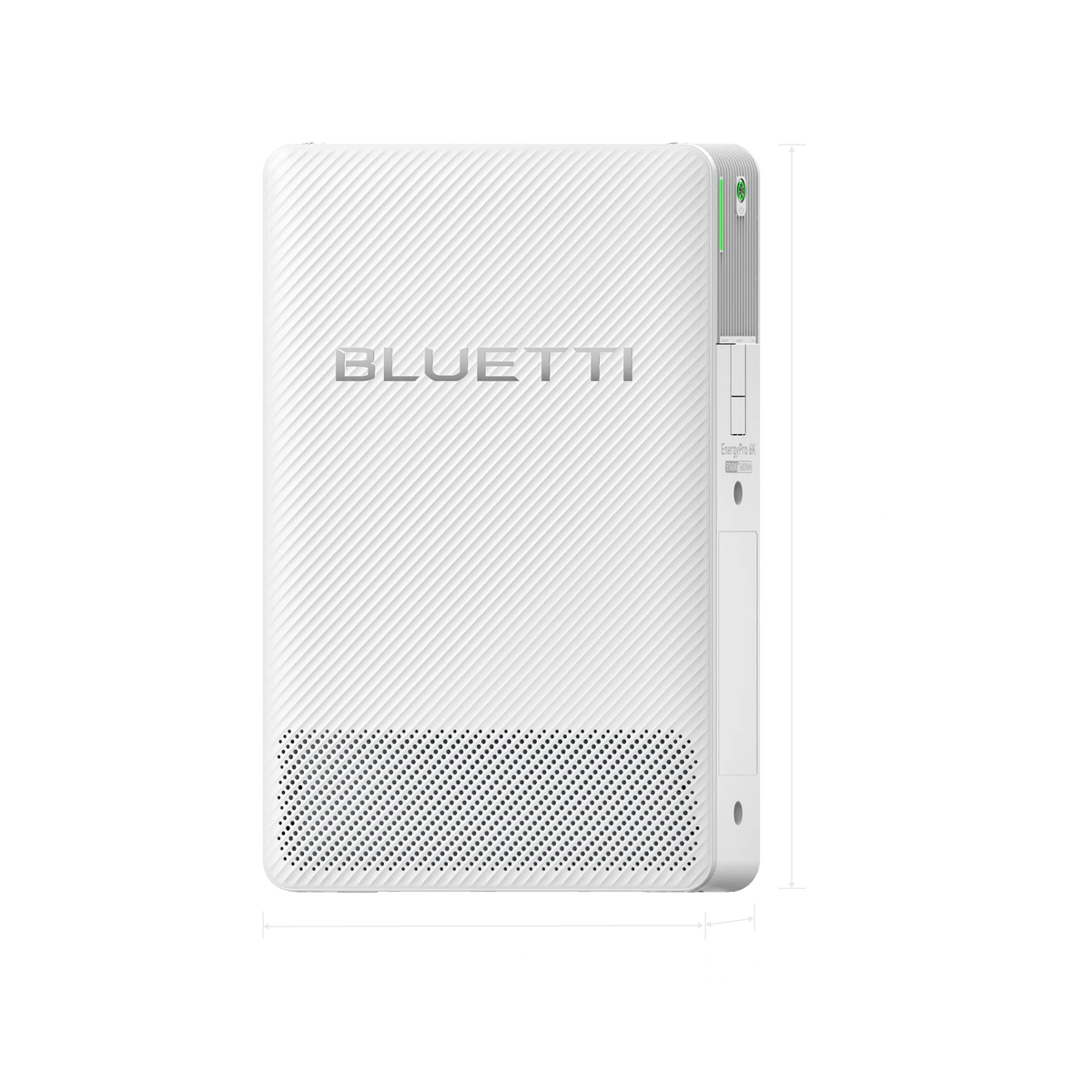
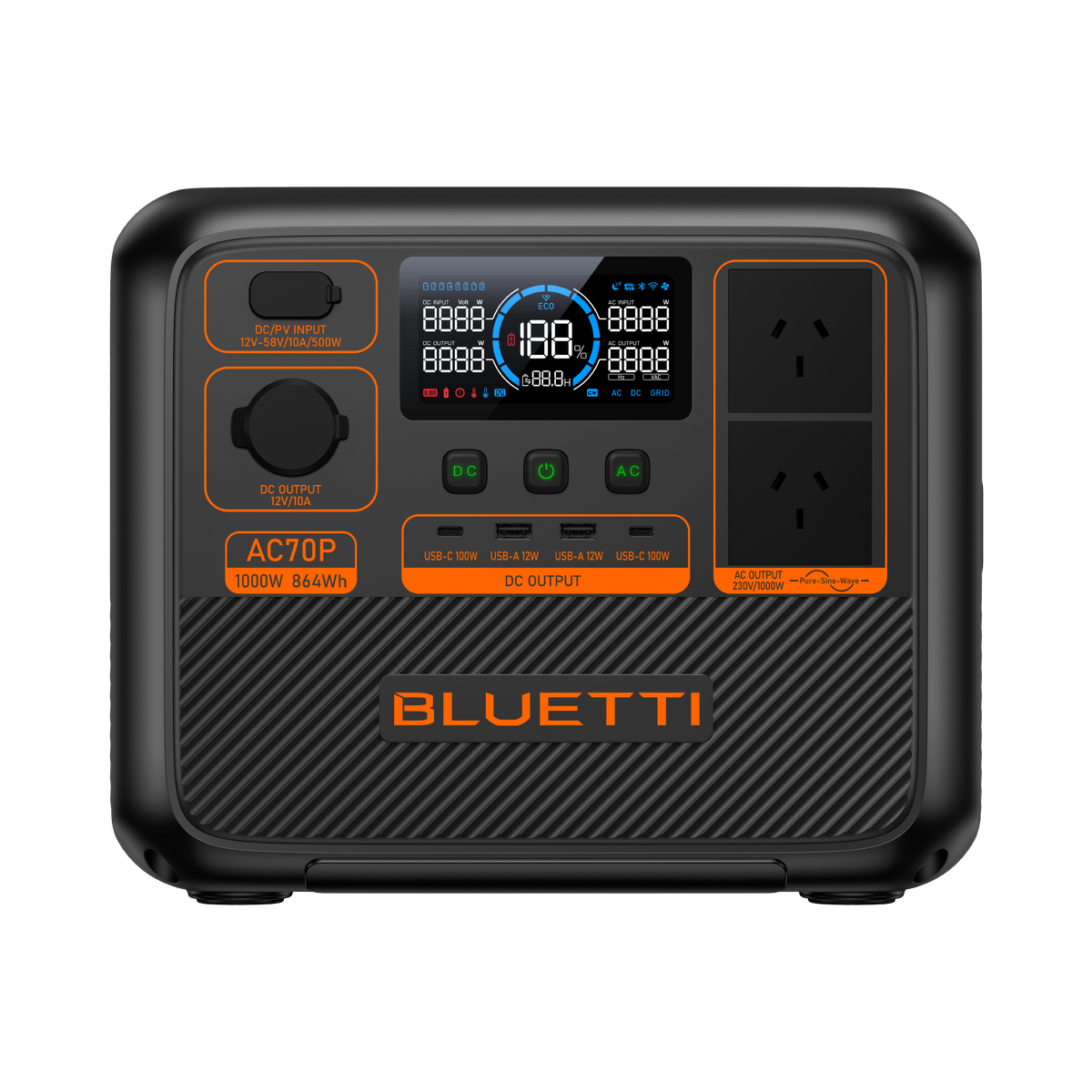
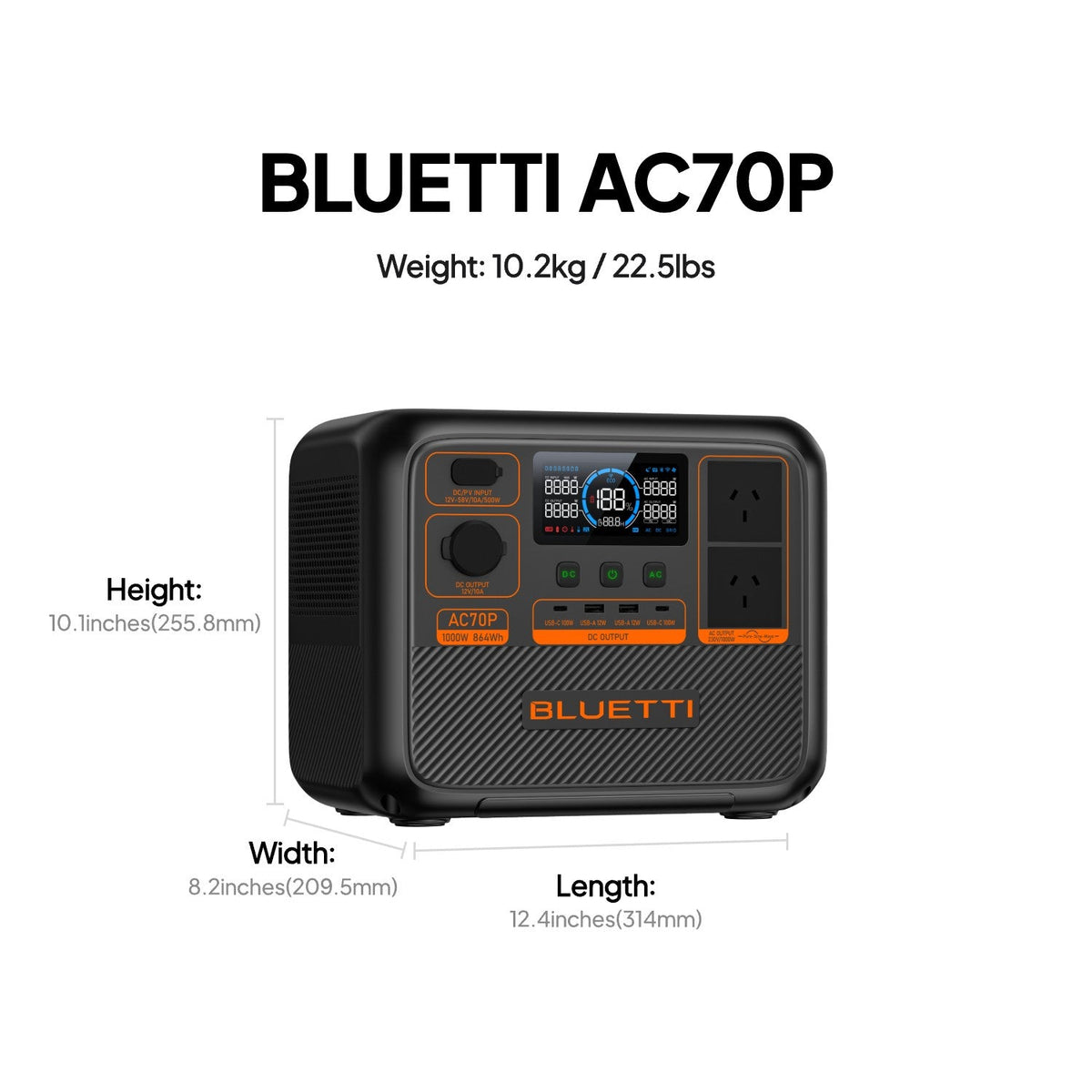
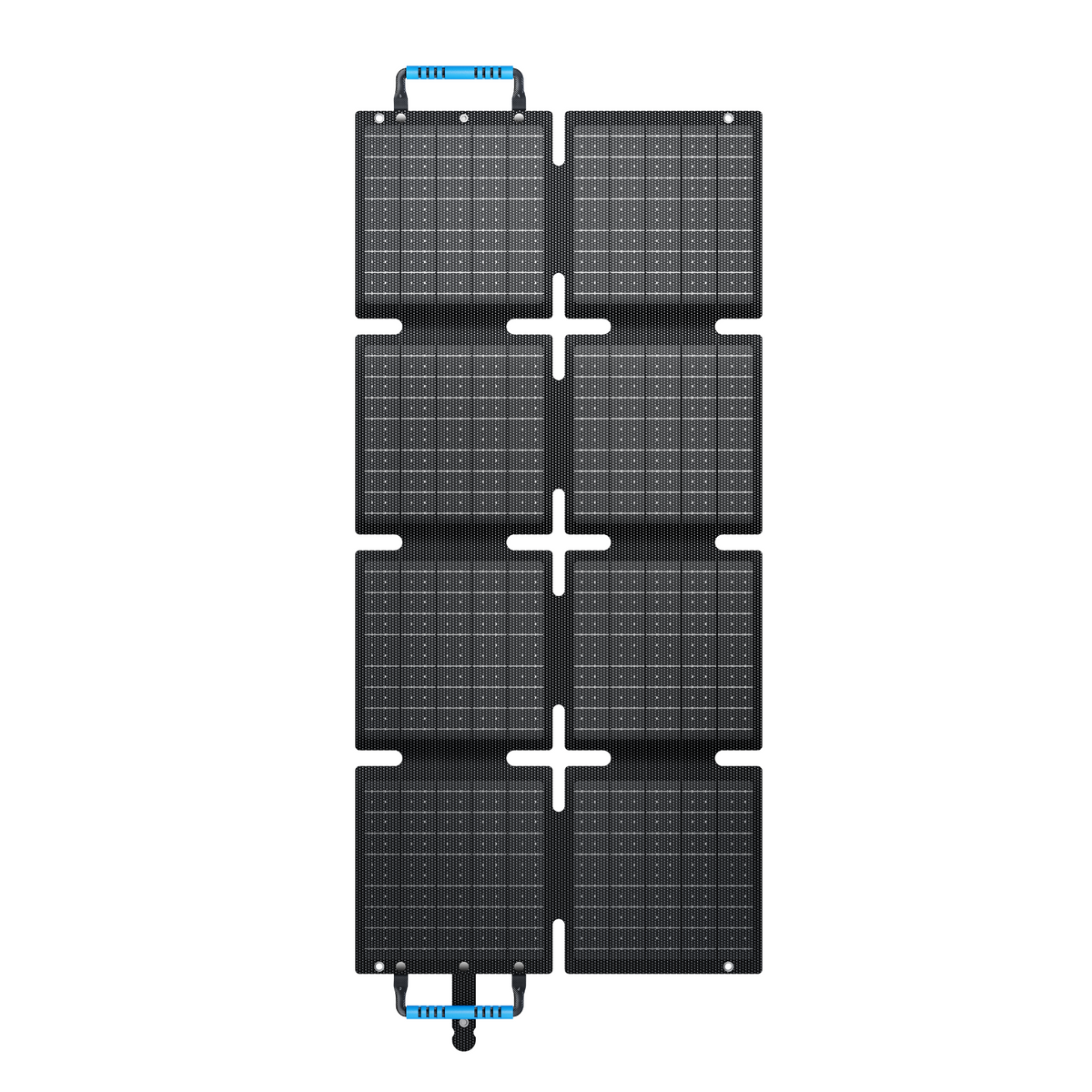
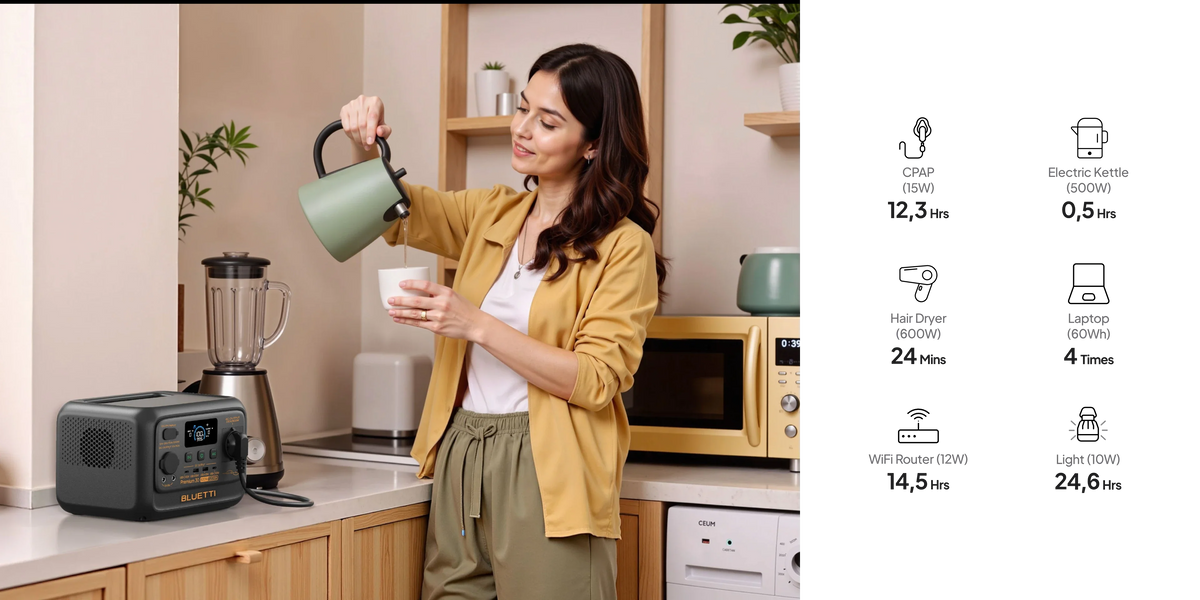
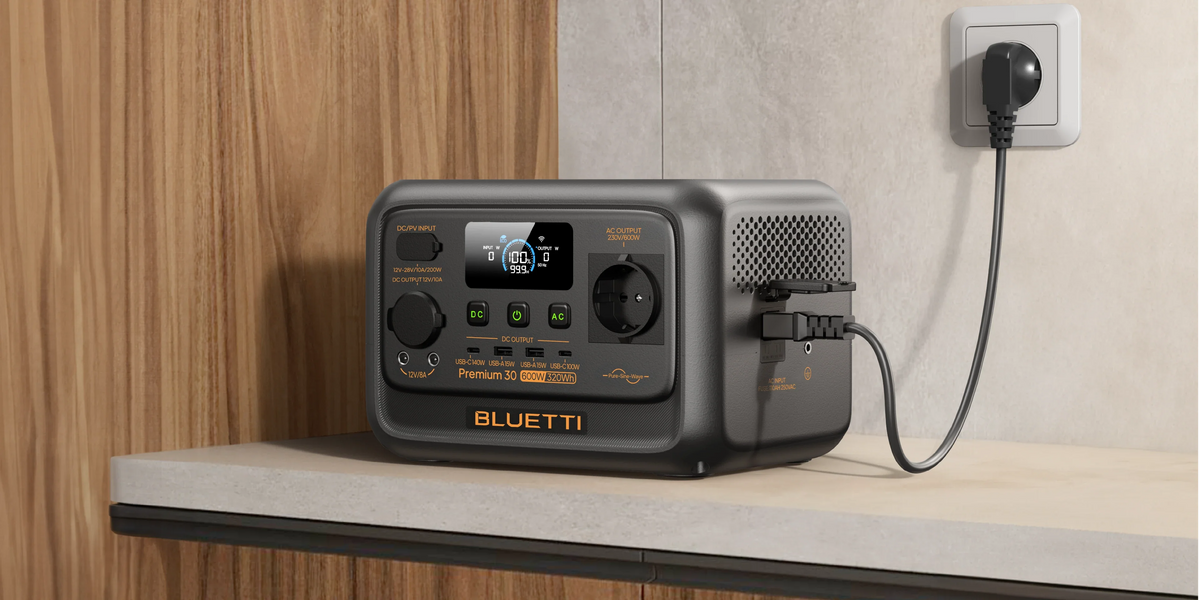
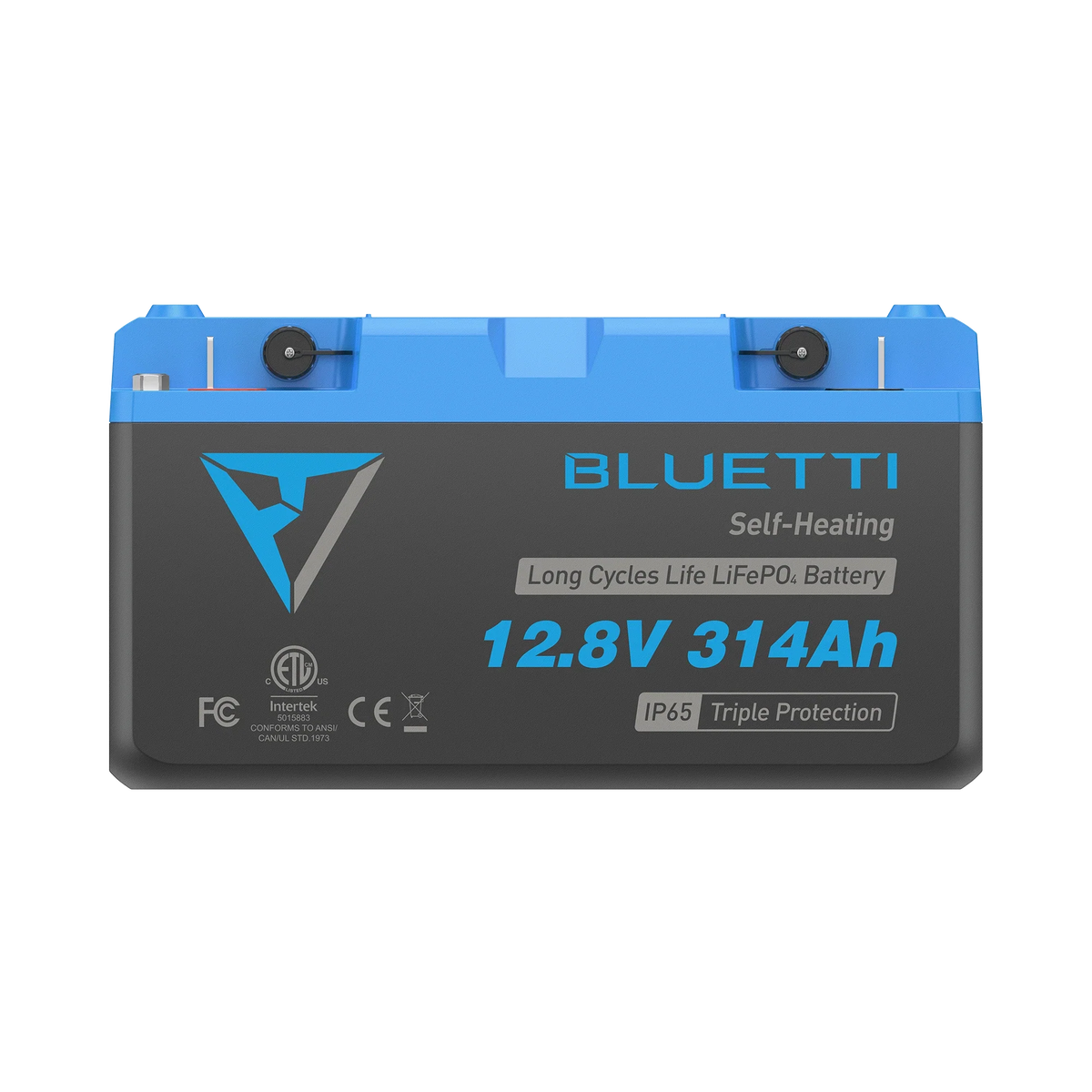
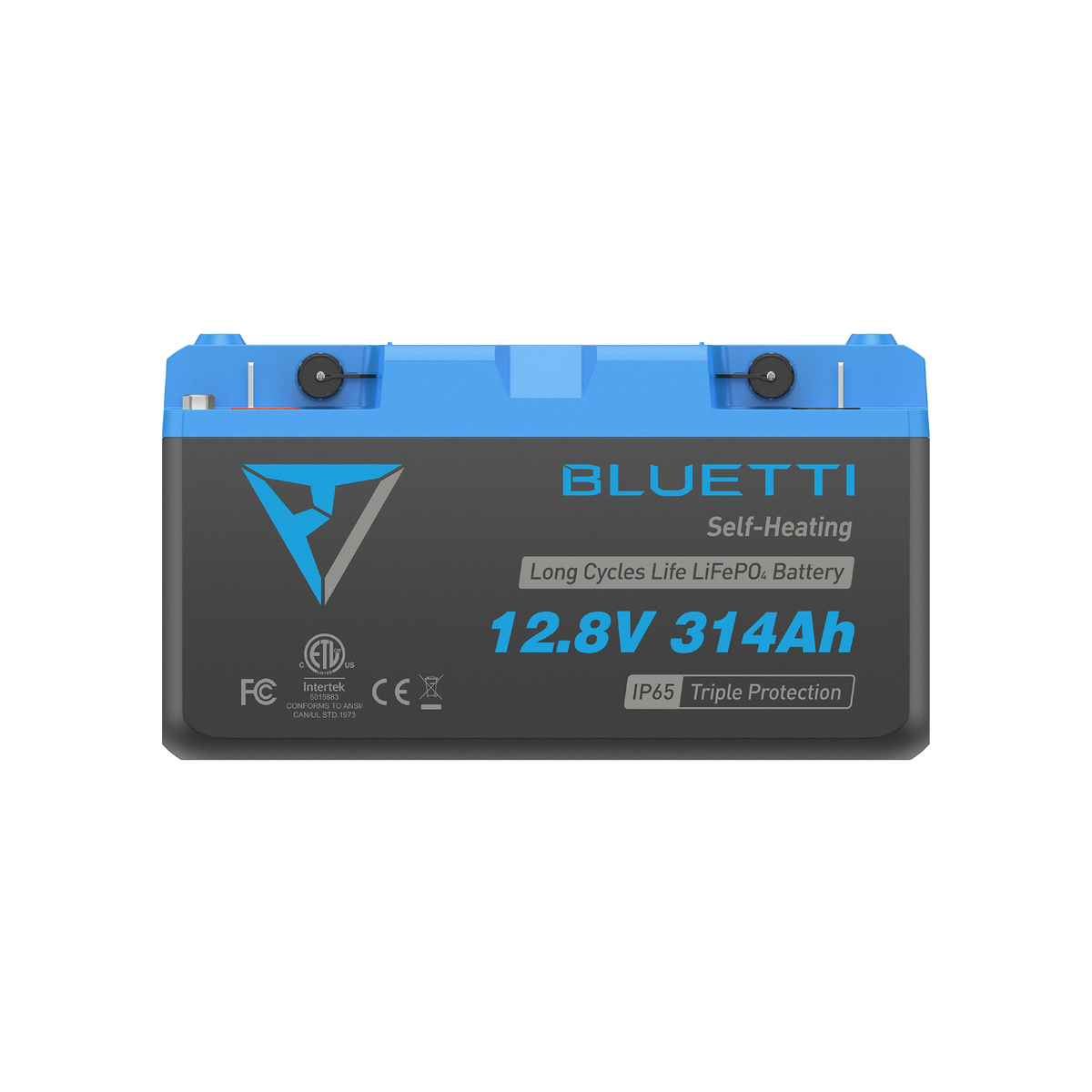
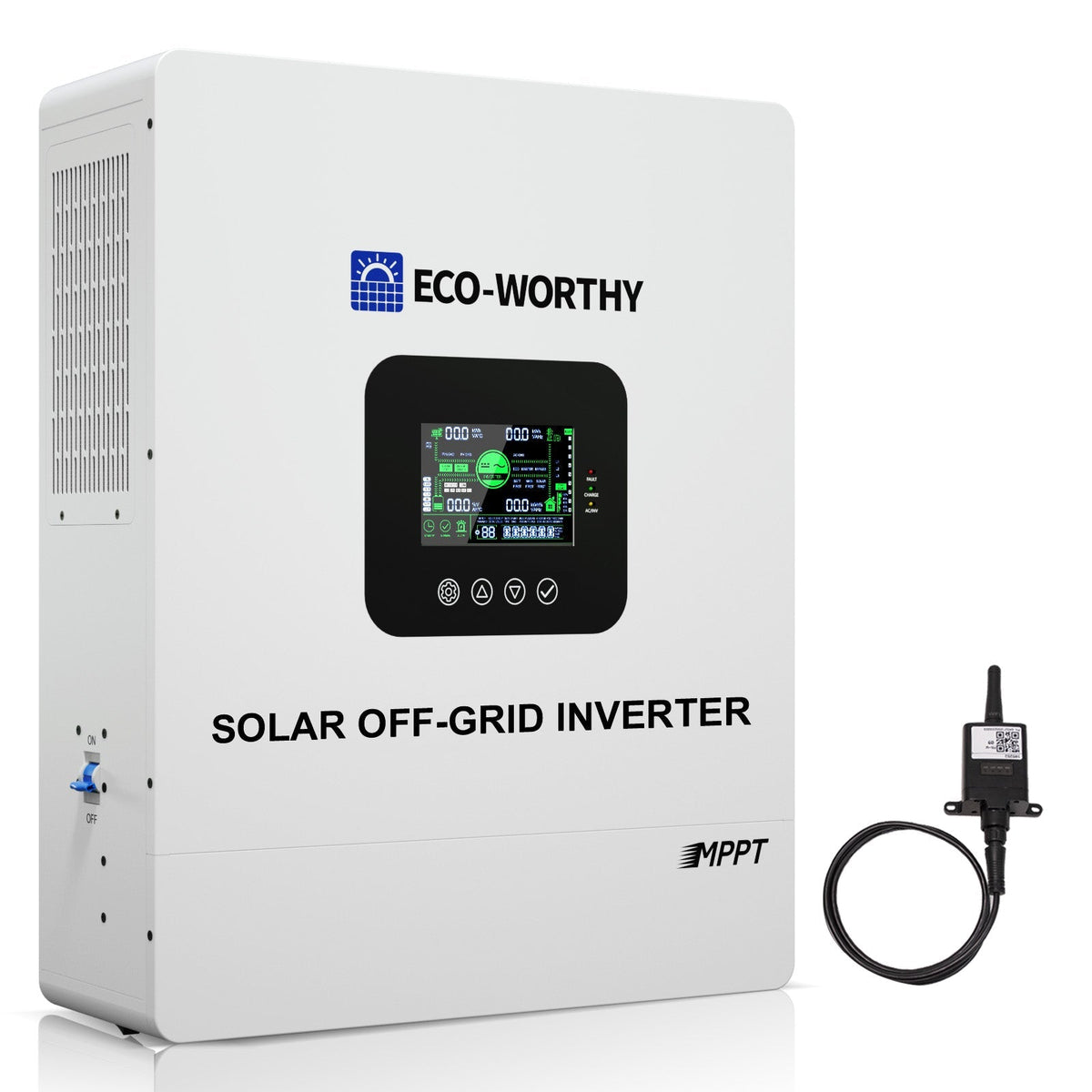
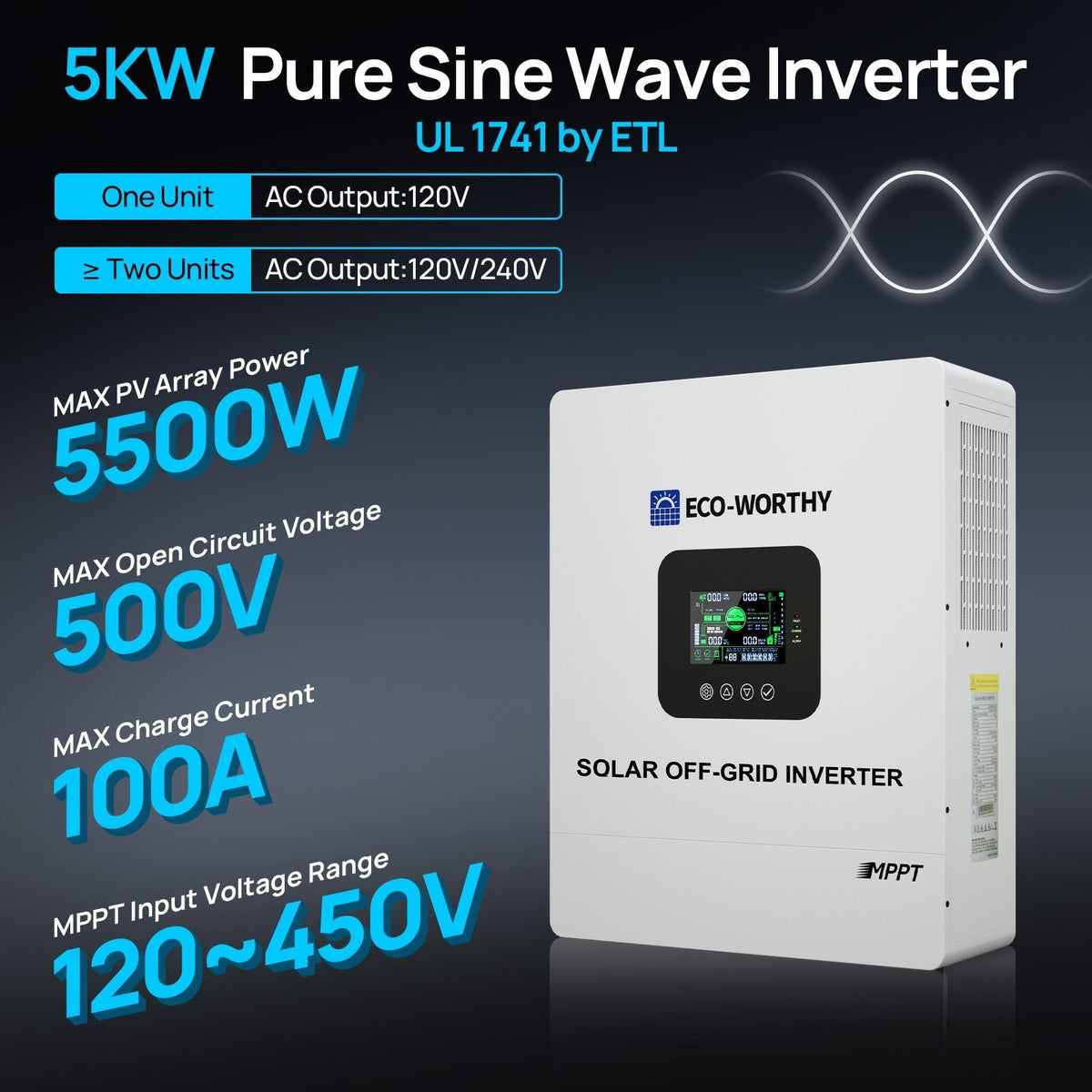
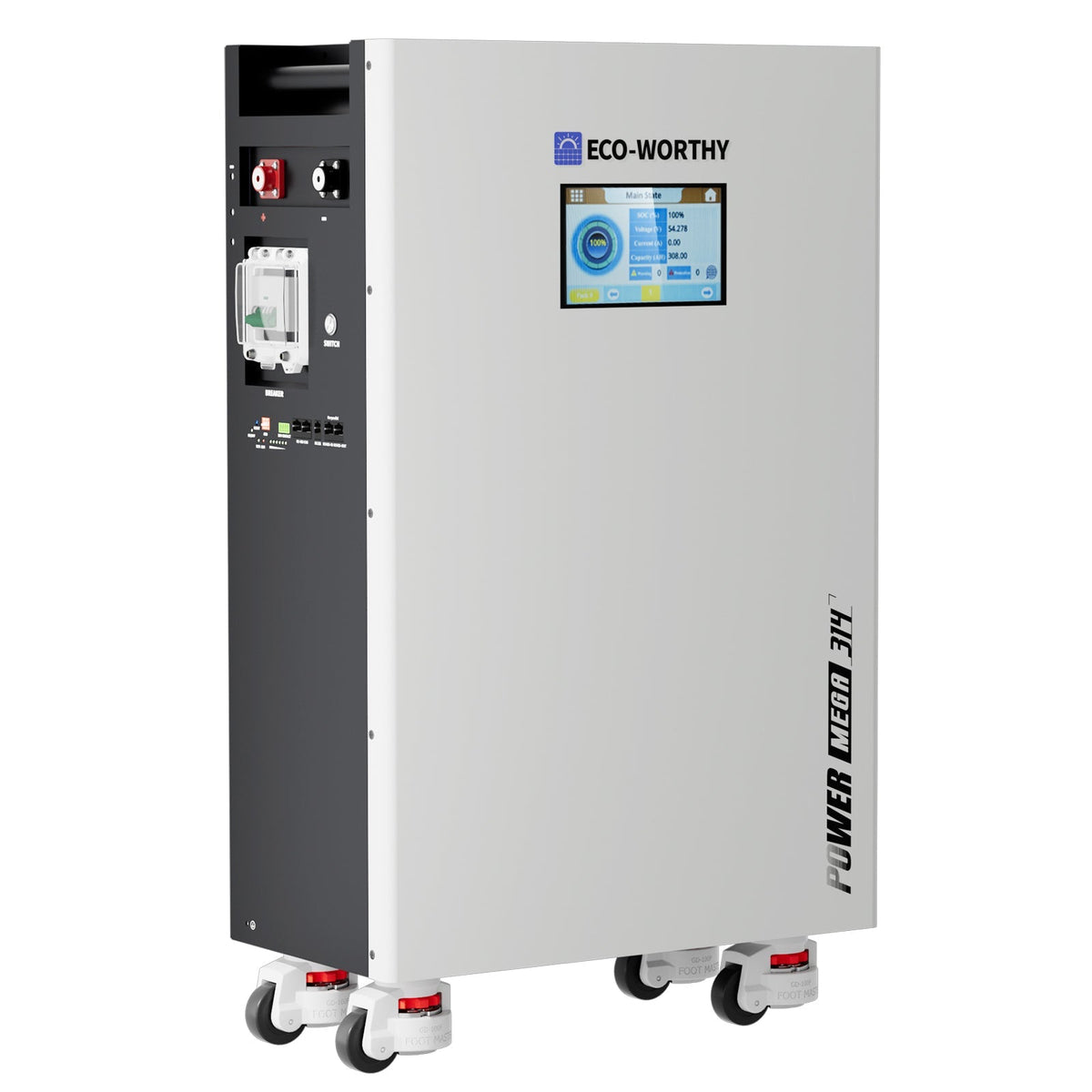
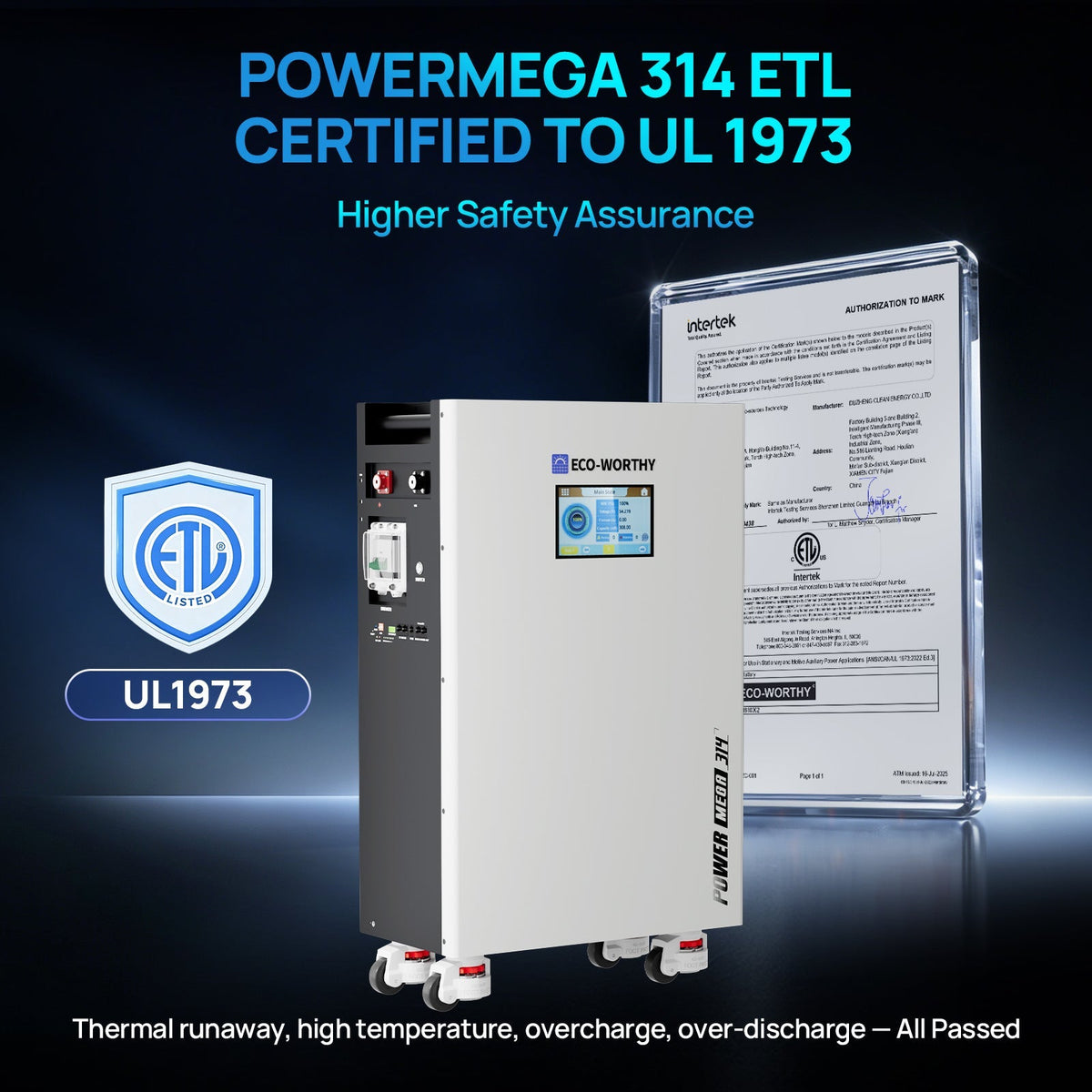
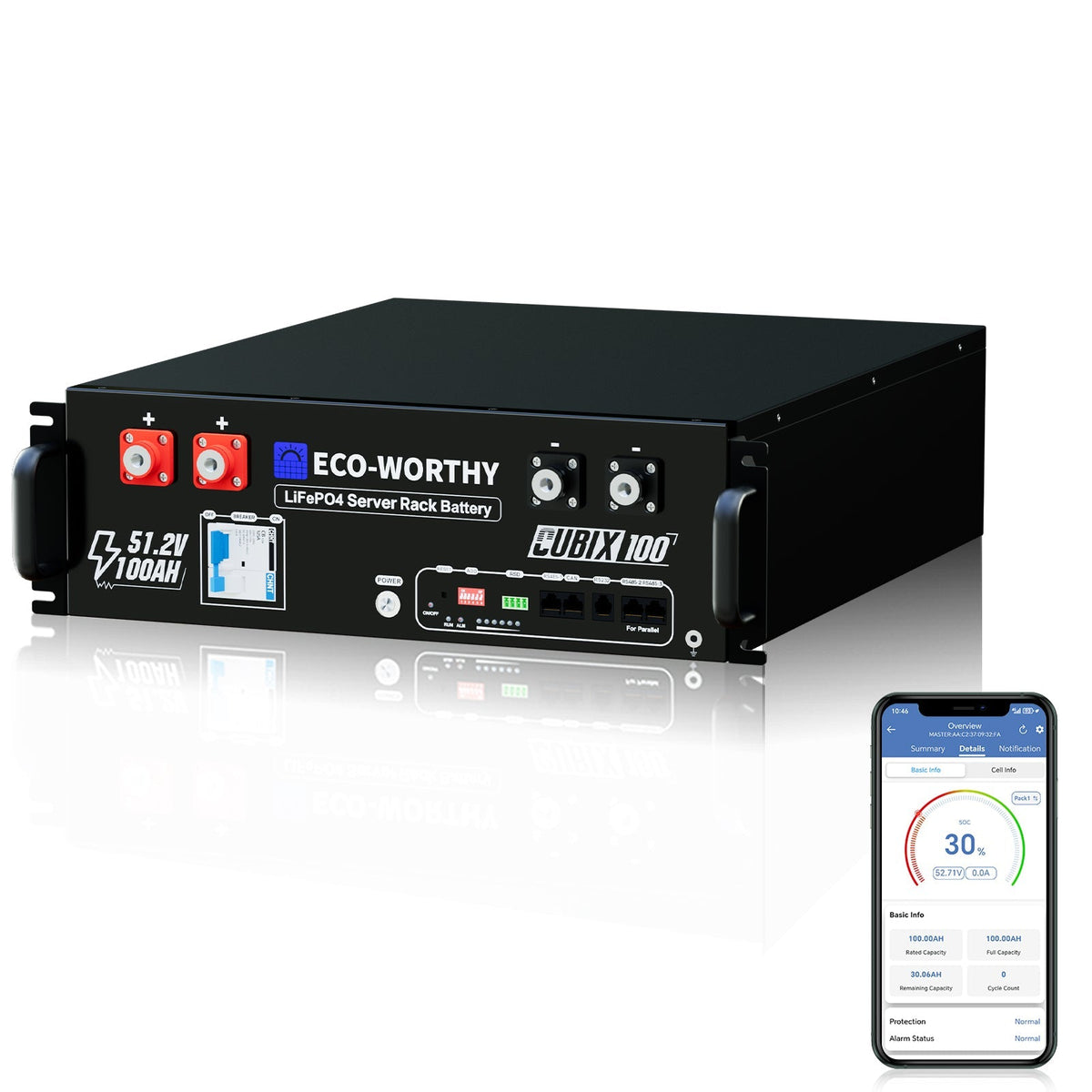
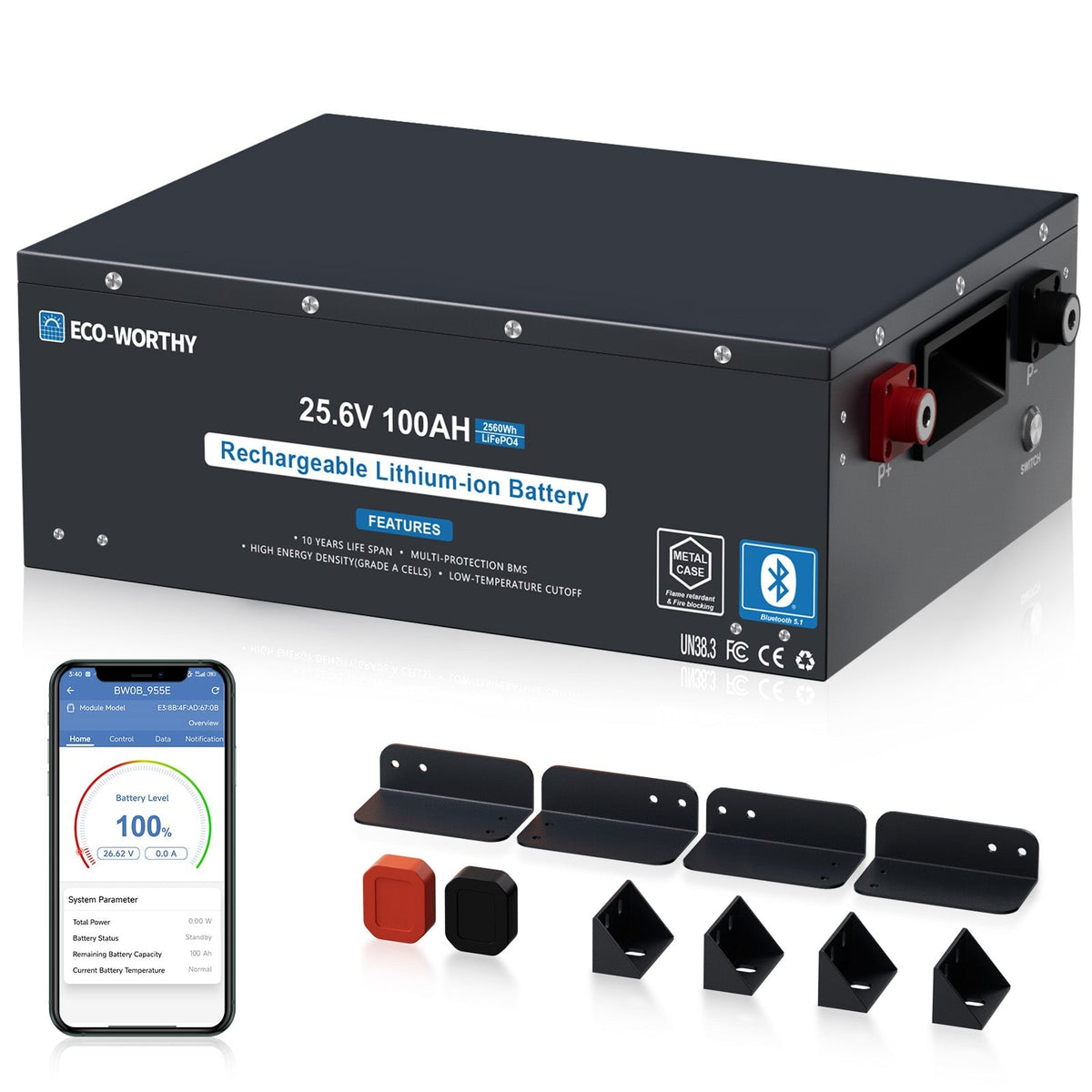
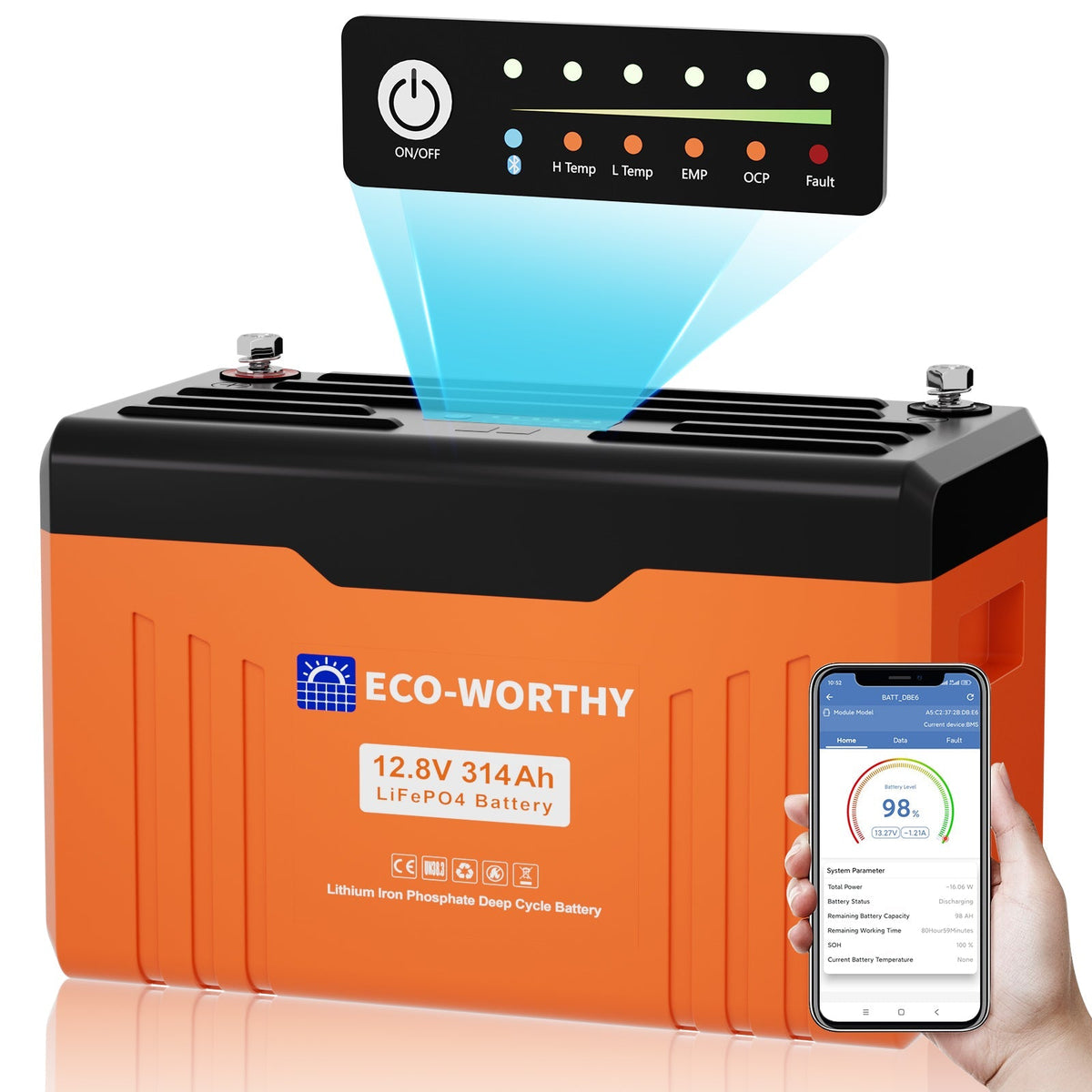
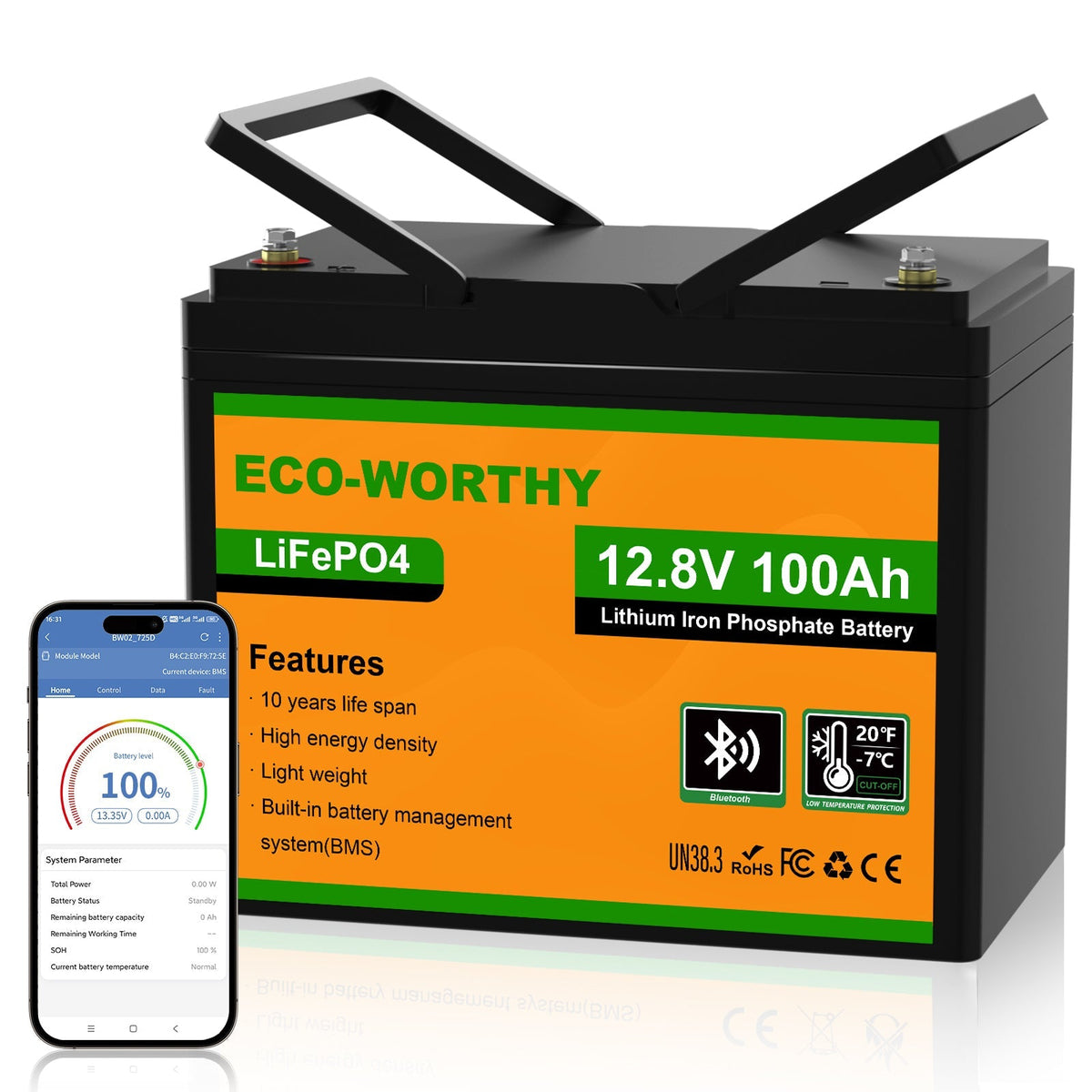
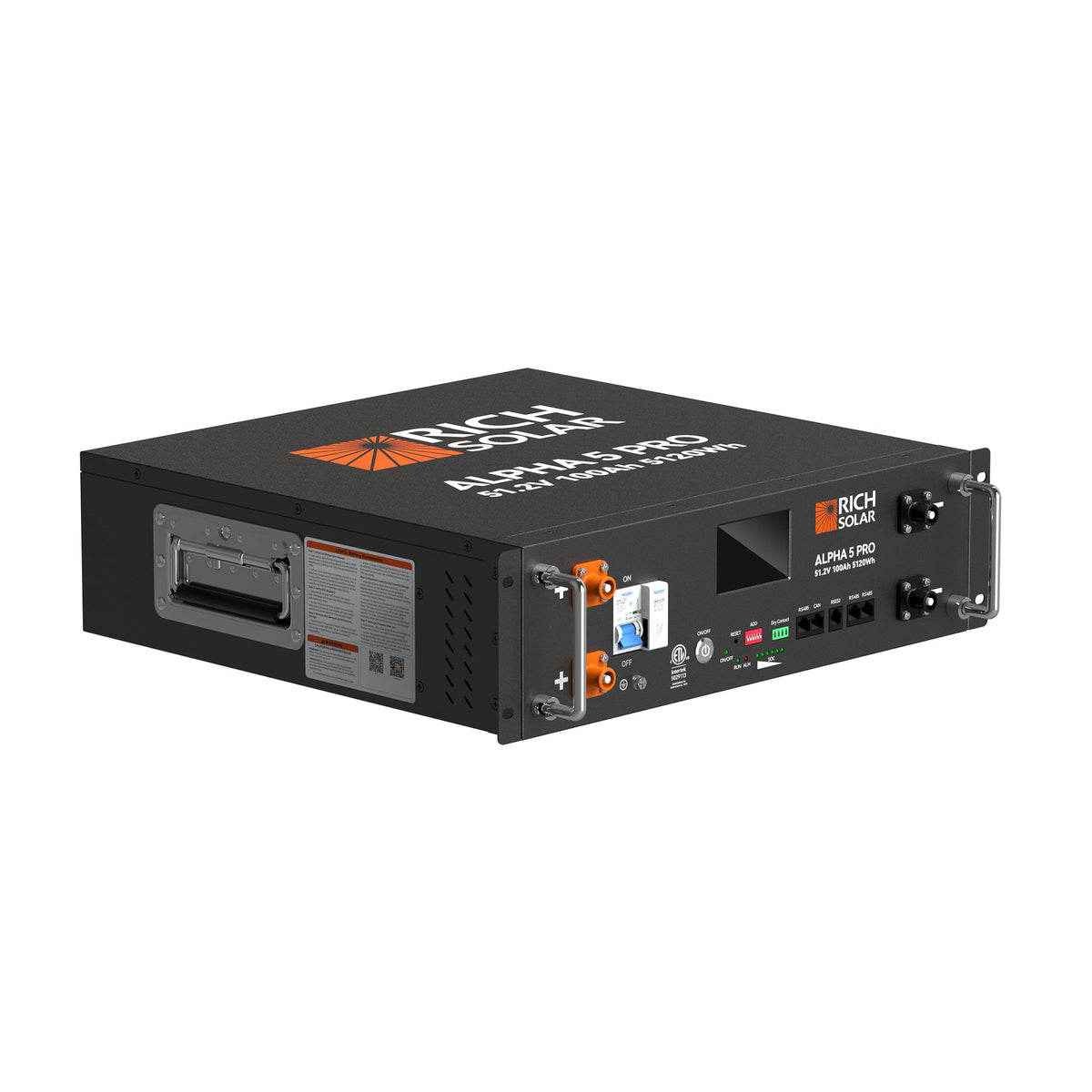
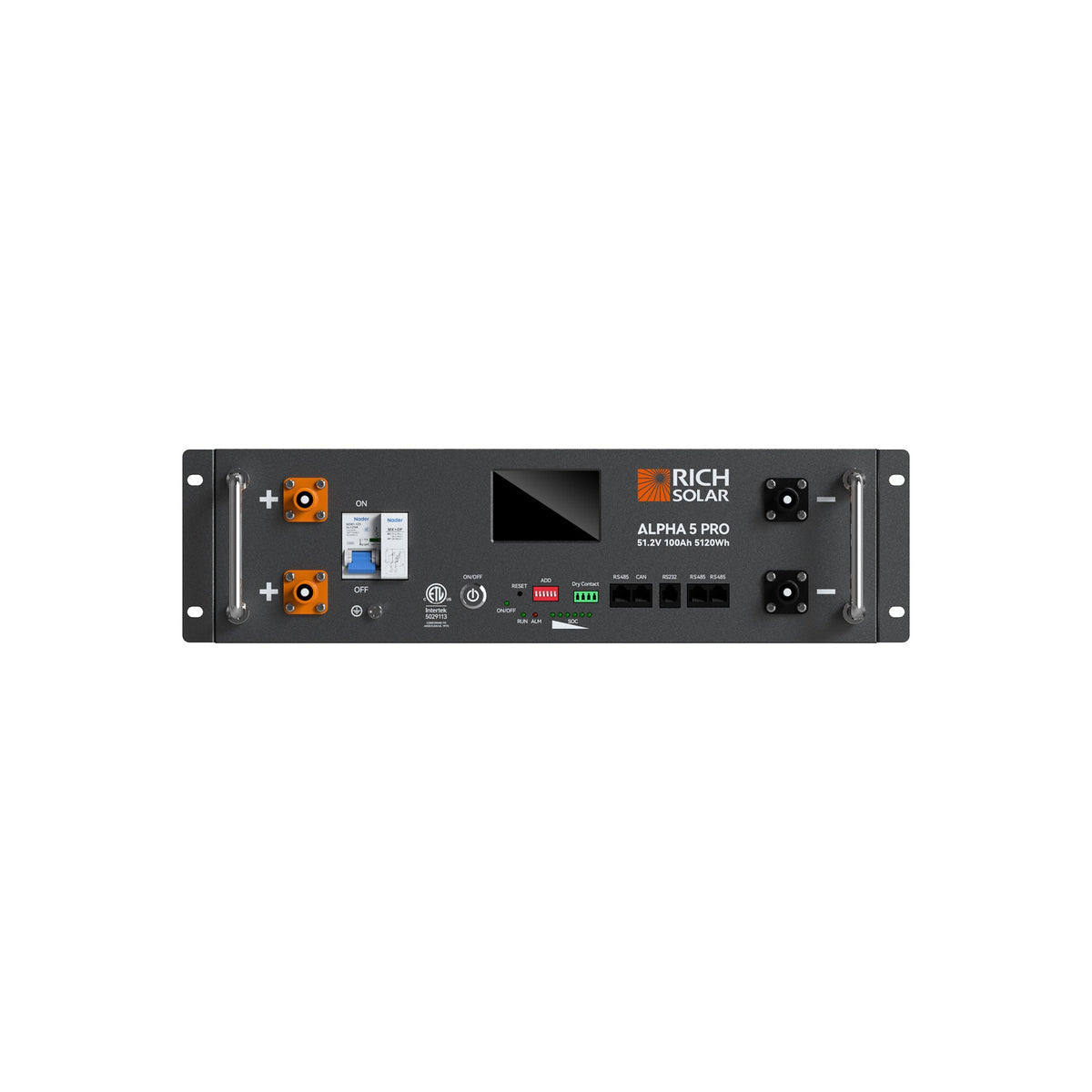
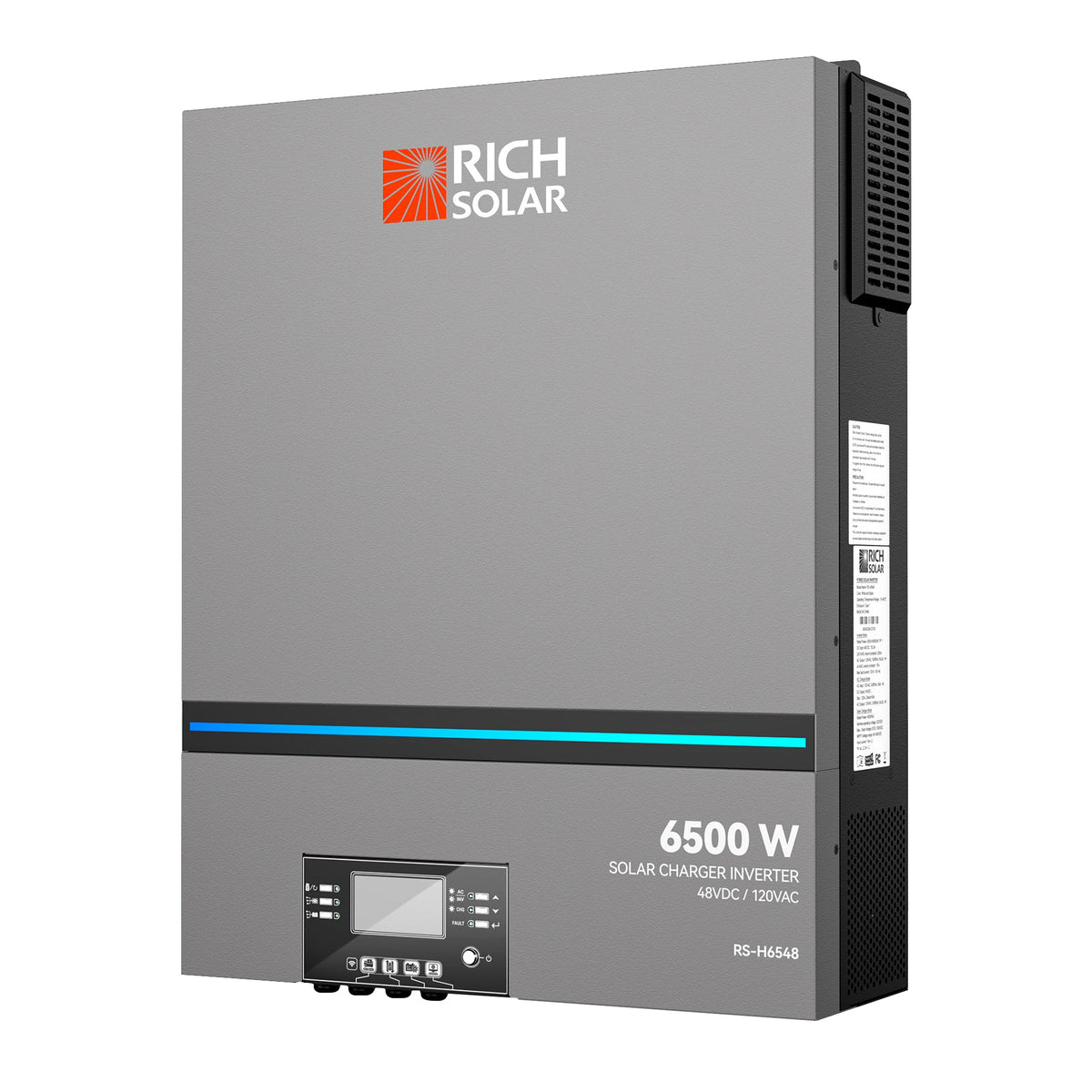
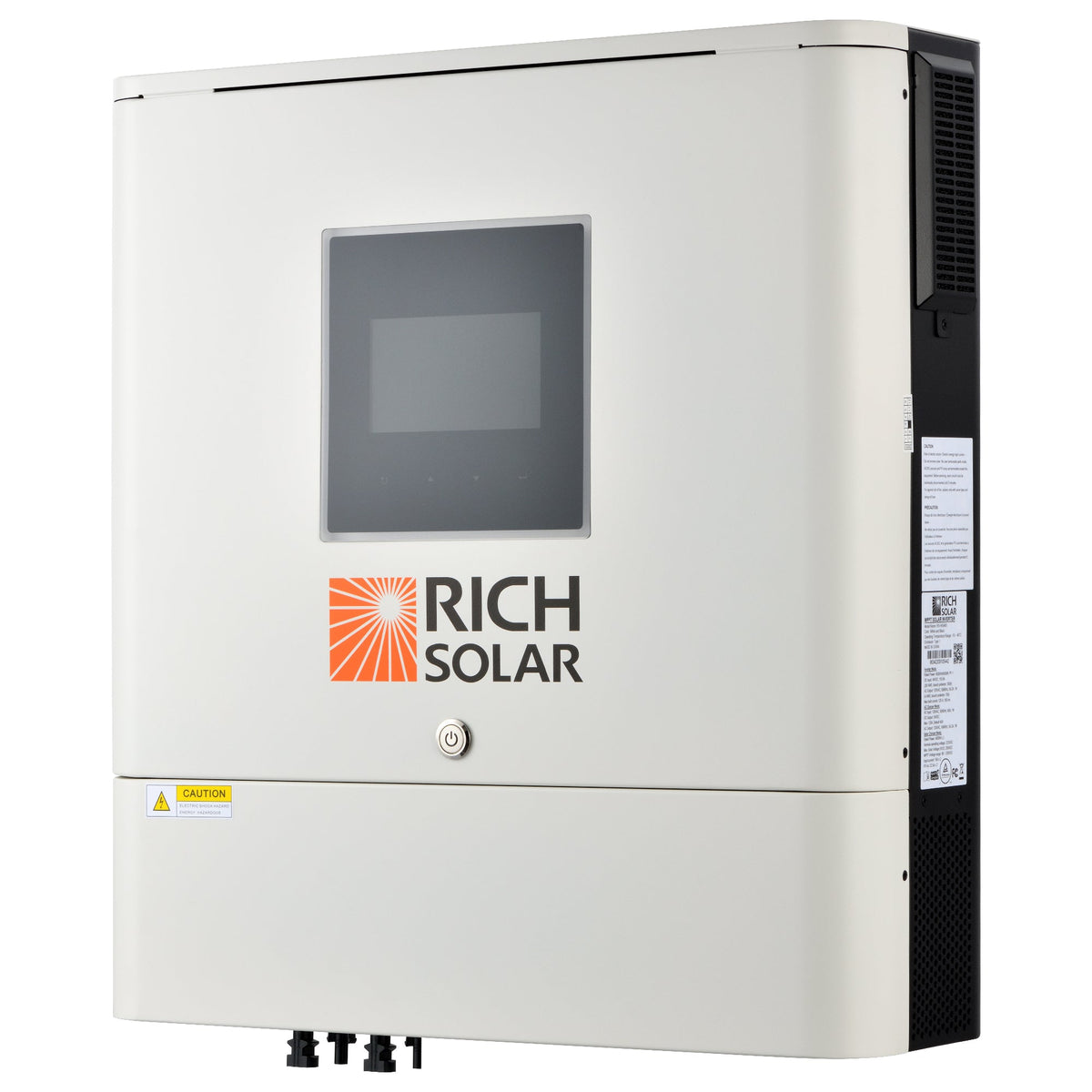
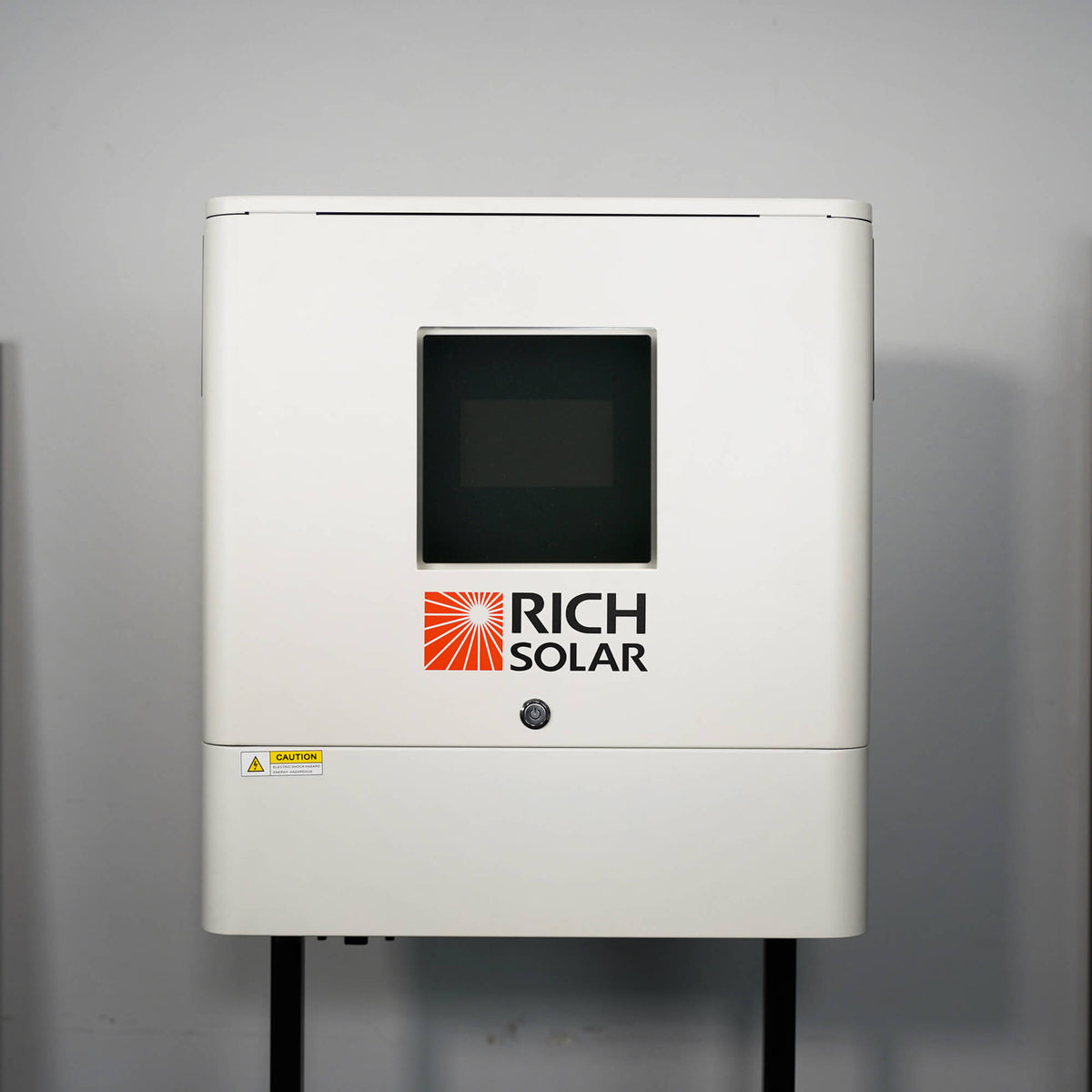
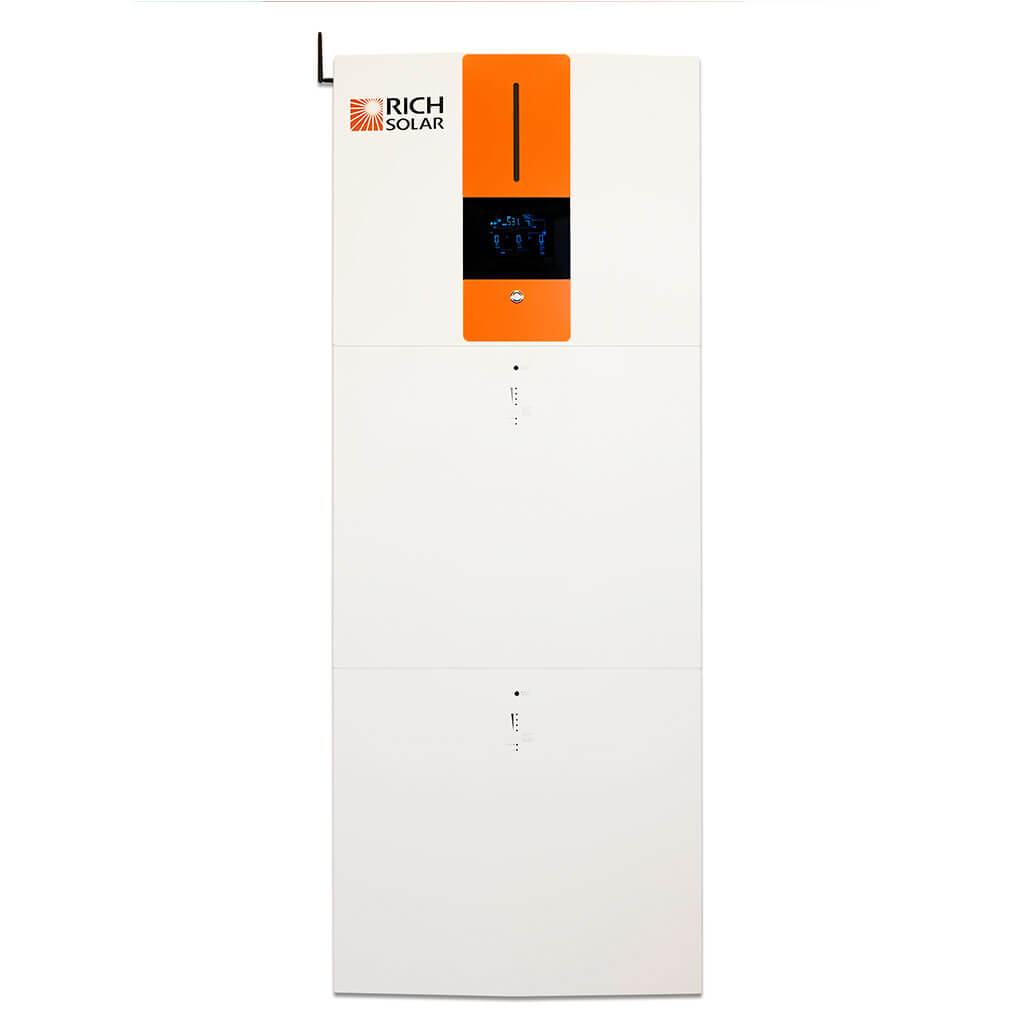
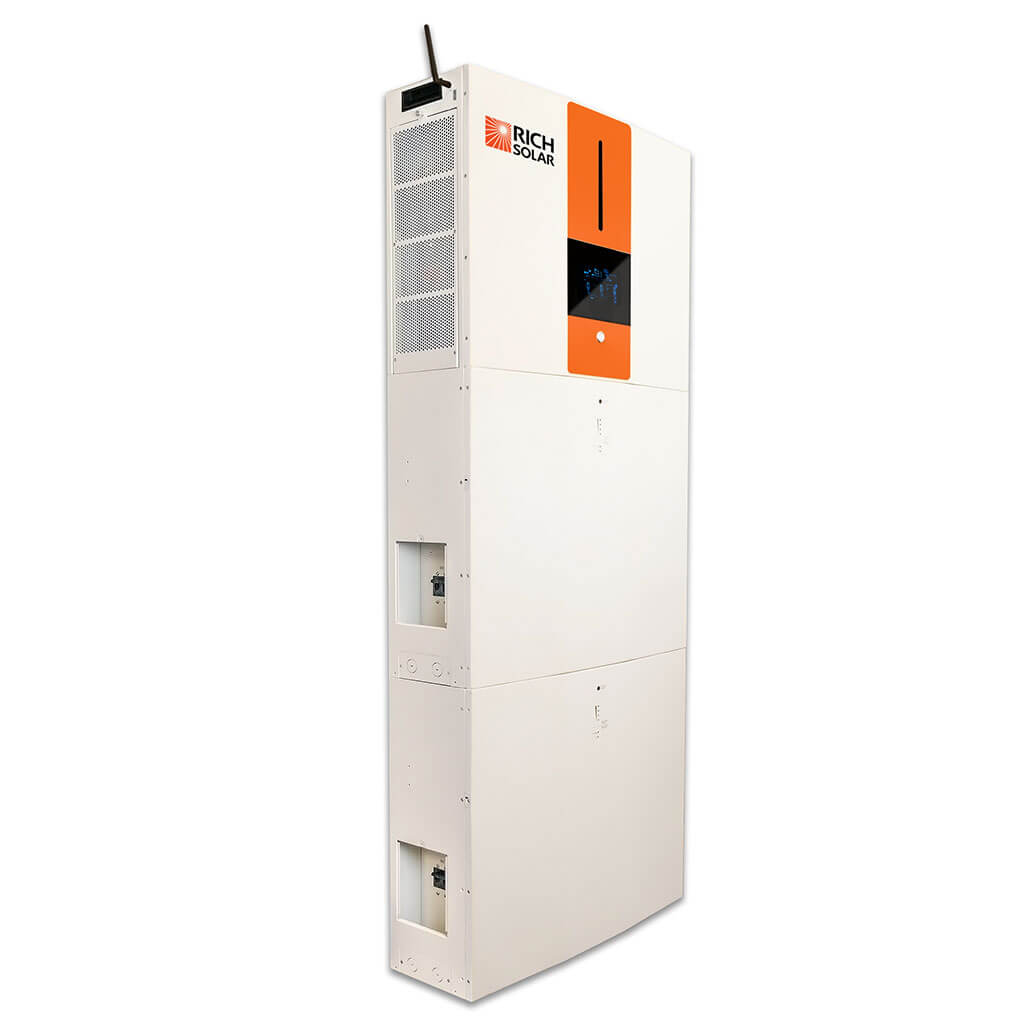
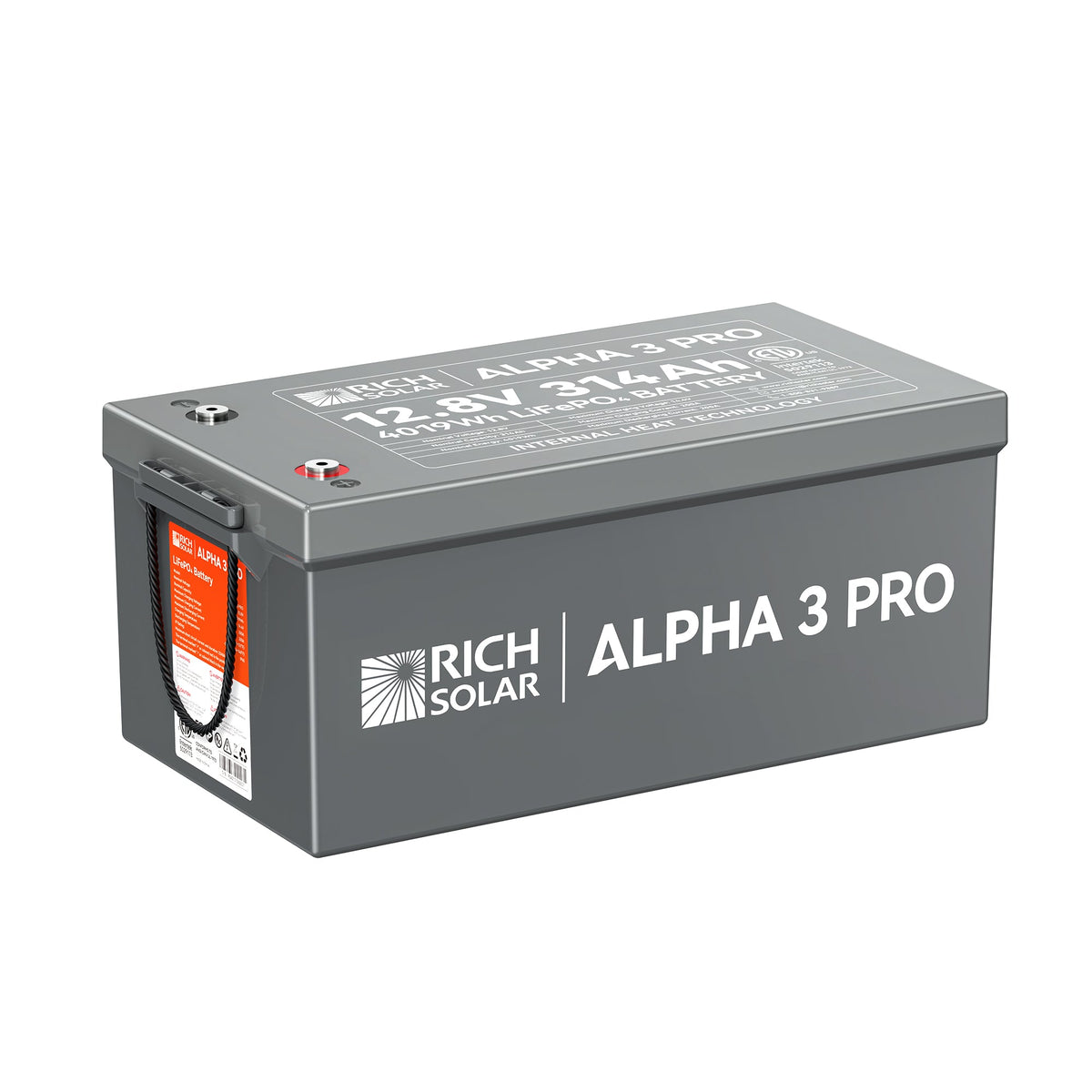
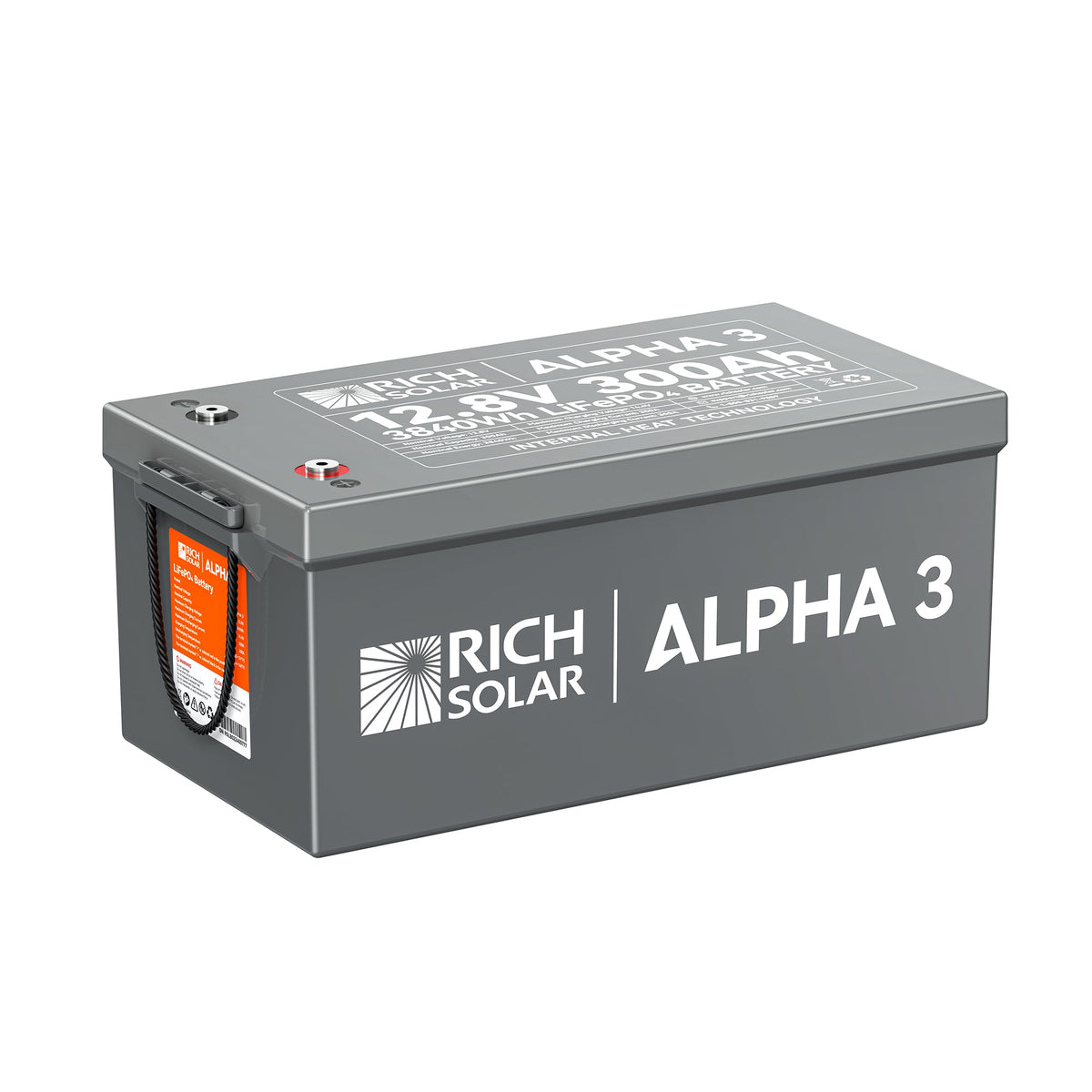
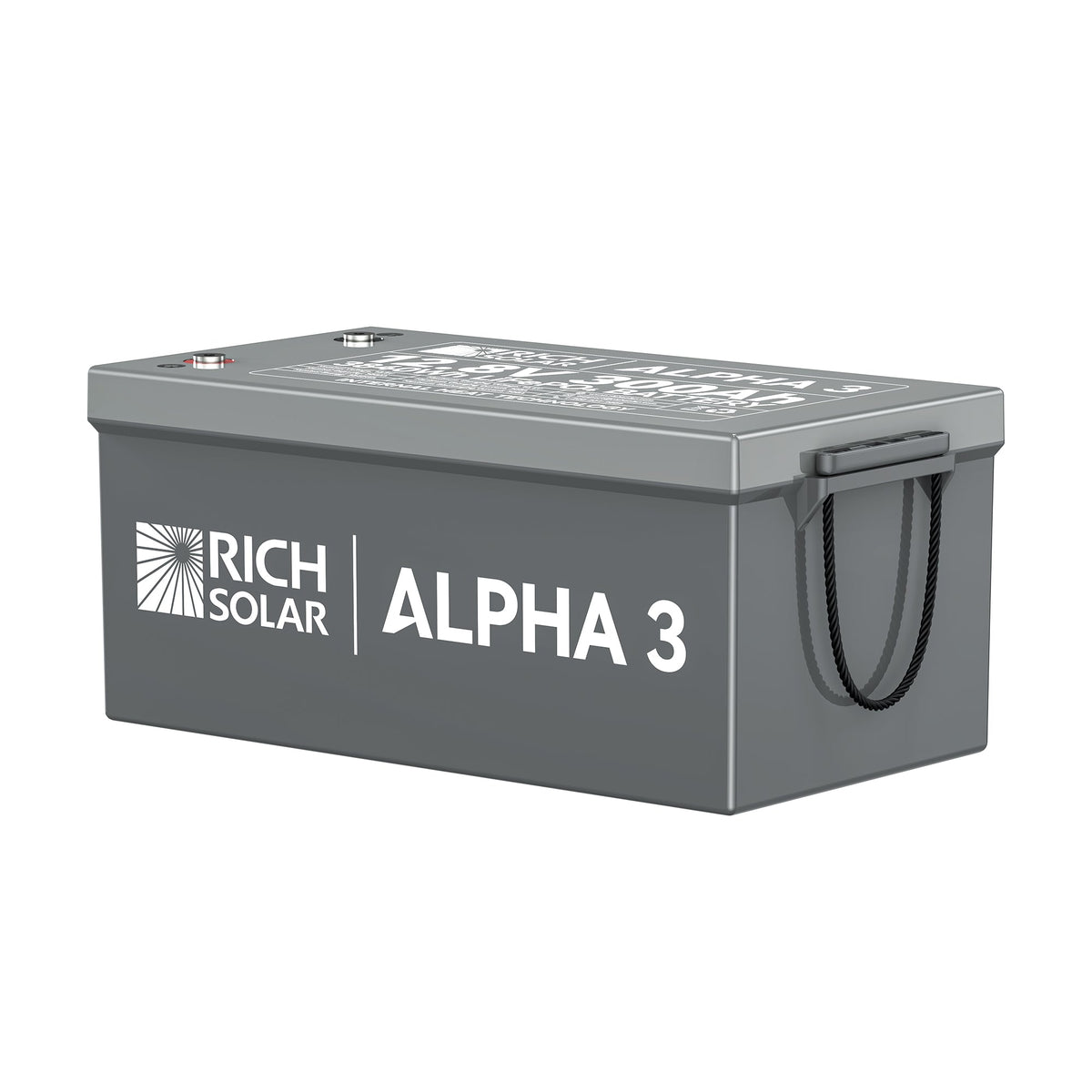
Solar and backup power equipment stores energy so you can run lights, appliances and electronics during outages or off the grid. We carry LiFePO4 lithium batteries, hybrid and pure sine wave inverters, solar panels, charge controllers, portable power stations and complete solar kits from Renogy, RICH SOLAR and SunGold for homes, RVs, boats and cabins.
How to Choose the Right Solar & Backup Power System
- Size by energy: total the watt-hours your devices use per day (watts x hours) and add 20-30% headroom.
- Match the inverter to your loads: continuous watts for everything running at once, surge watts for motor start-up.
- Pick a system voltage: 12V suits small RV, van and boat builds, while 24V and 48V systems are more efficient for cabins and whole-home backup.
- Choose LiFePO4 for long cycle life and deep usable capacity; pick self-heating models for cold climates.
- Size solar to recharge your daily use: divide daily watt-hours by your local peak sun hours, then add margin for clouds and system losses.
- Check for certifications such as UL 1741 or UL 9540A if your inspector or utility requires them.
Solar & Backup Power System FAQs
How much battery do I need to power my home during an outage?
List the essentials you want to run, such as a fridge, lights and Wi-Fi, and total their daily watt-hours. Essentials often fit in 5-15 kWh of storage, while whole-home backup needs more capacity and a larger inverter.
What is the difference between a portable power station and a solar kit?
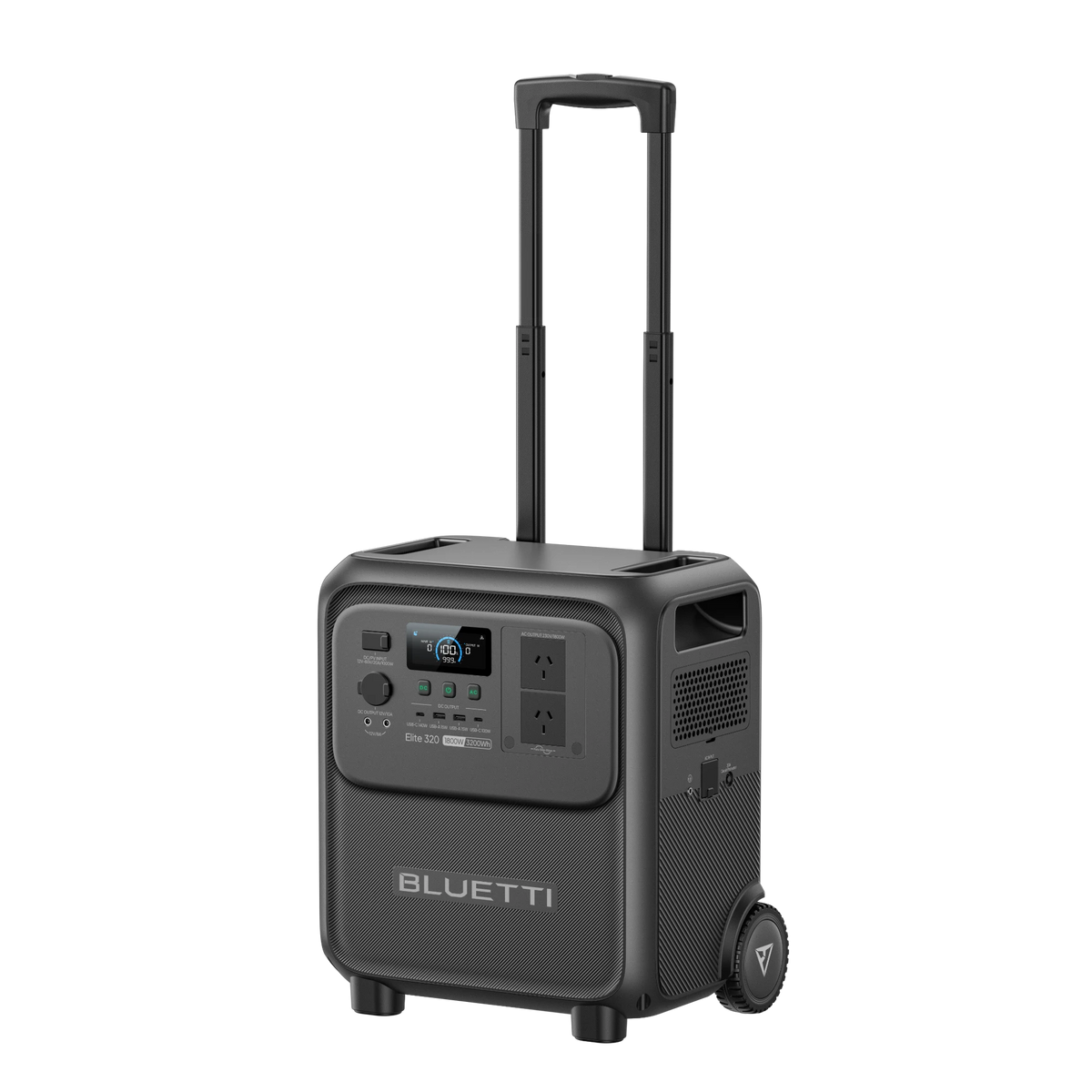
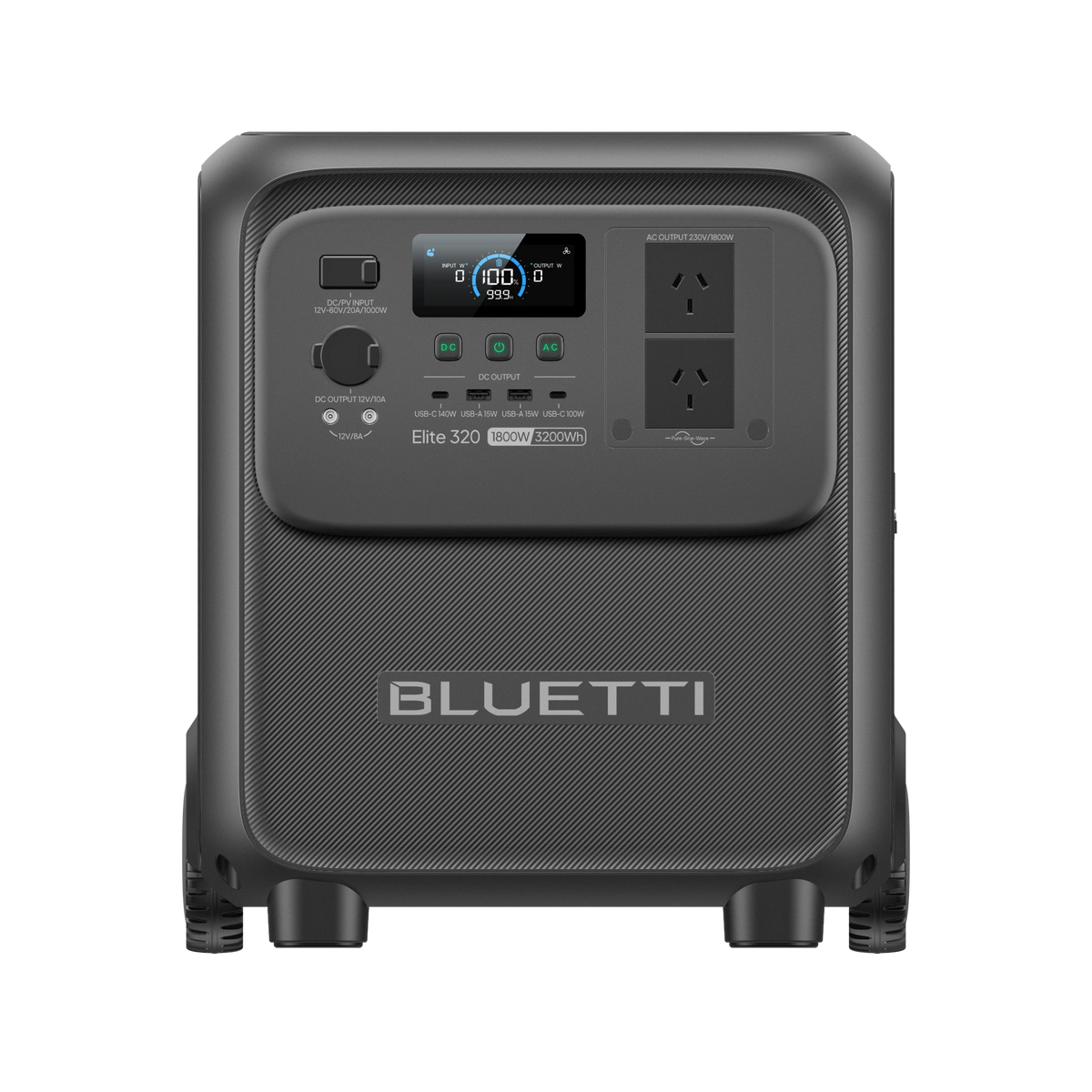
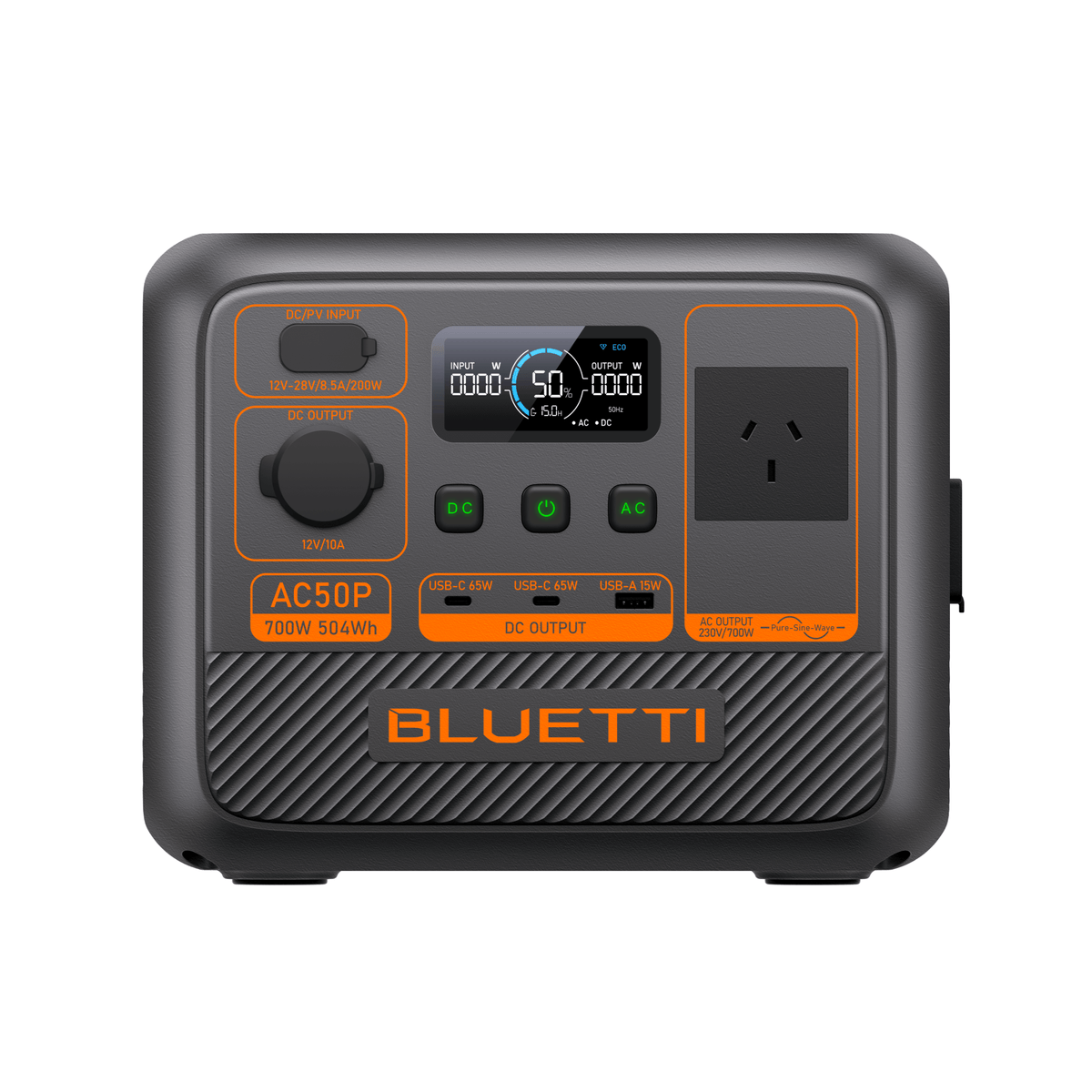
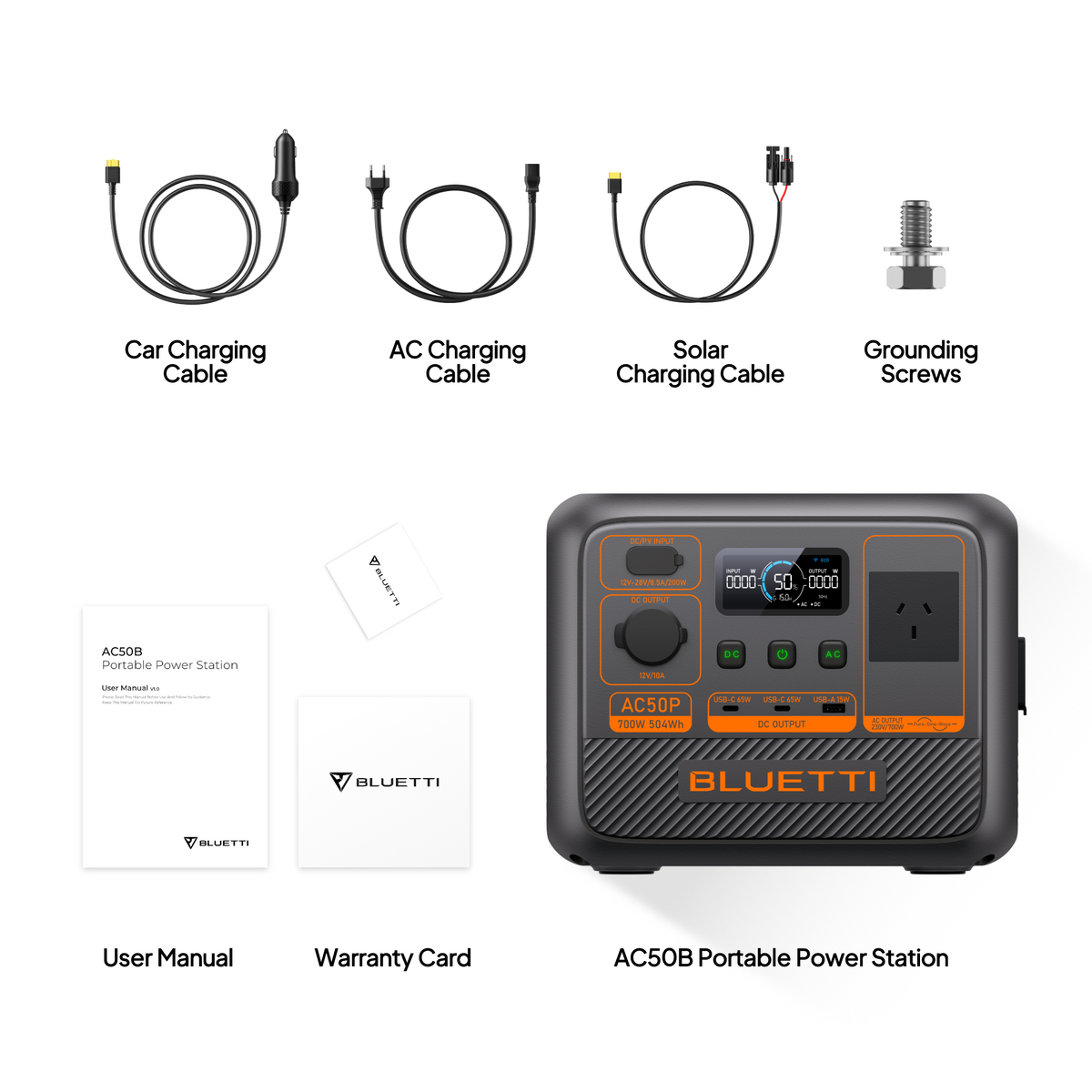
A portable power station combines battery, inverter and outlets in one plug-and-play unit. A solar kit is a modular, expandable system meant for permanent installation.
Why choose LiFePO4 batteries?
LiFePO4 (lithium iron phosphate) batteries typically deliver thousands of charge cycles, allow deeper discharge than lead-acid and are known for thermal stability, which makes them a common choice for RVs, boats and home storage.
Do I need an electrician to install a backup power system?
Plug-in power stations and small 12V systems are often DIY-friendly, but anything connected to your home's electrical panel should be installed by a licensed electrician and meet local codes.