How to Use Red Light Therapy at Home
You do not need a spa membership or a complicated wellness routine to figure out how to use red light therapy well. What you do need is a device that fits your goals, a consistent schedule, and a realistic sense of what this technology can and cannot do. Used correctly, red light therapy can become one of the easiest performance and recovery tools to add to your home setup.
For tech-forward shoppers, that is part of the appeal. Red light therapy feels like the kind of upgrade that belongs alongside smart recovery gear, premium seating, and other future-ready products designed to improve how you feel and function at home. But better hardware only gets you so far. Technique matters.
How to use red light therapy for better results
The short version is simple: expose the target area to the correct light, from the right distance, for the recommended amount of time, on a consistent schedule. Most people overcomplicate it at first, then realize the best routine is usually the one they can actually repeat.
Start by deciding what you want from treatment. Some users focus on skin appearance, including tone and texture. Others are more interested in muscle recovery, temporary relief from minor aches, or supporting a post-workout routine. Your goal affects where you place the device, how often you use it, and how patient you need to be.
Next, read the instructions for your specific device. This sounds obvious, but it matters because treatment times and distances can vary quite a bit between a compact face mask, a tabletop panel, and a larger full-body unit. More power does not always mean better outcomes if you are using the wrong setup.
Start with the right treatment area
Red light therapy works best when the light reaches bare skin in the area you want to target. That means you should remove clothing or barriers over the treatment zone when possible. If you are using it for facial care, start with clean skin and avoid thick products that may sit heavily on the surface during the session.
For body use, common areas include the face, neck, shoulders, back, knees, and legs. Athletes and active users often target muscle groups that feel overworked after training. If your goal is general wellness, some people rotate through multiple areas during the week rather than trying to cover everything in one session.
Distance and session length matter
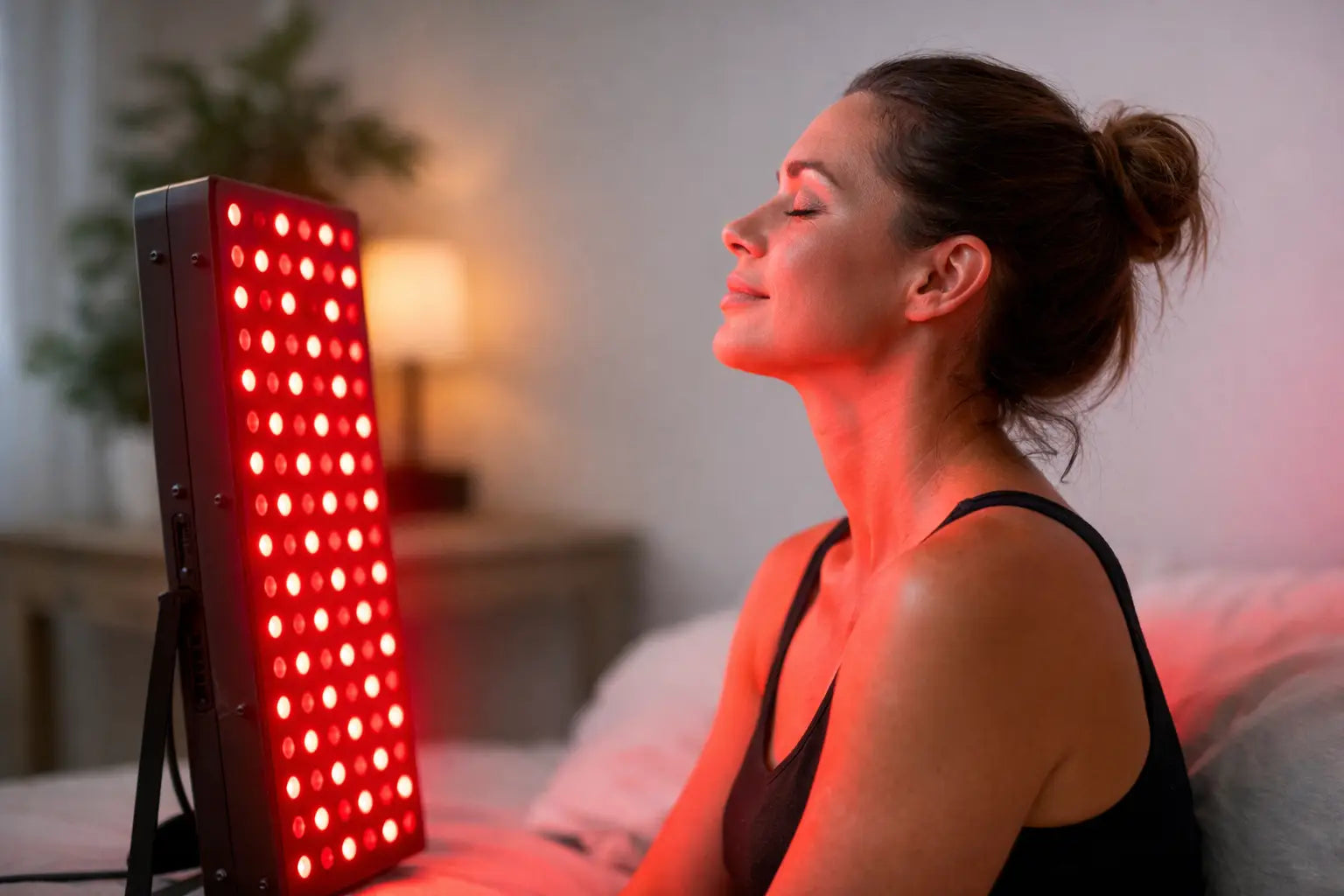
One of the biggest mistakes beginners make is standing too far from the device. Light intensity drops with distance, so placement affects how much energy reaches the skin. Many red light therapy panels are designed to be used a few inches to about a foot away, but the right range depends on the product.
Session length also depends on device output. In many home routines, sessions fall somewhere between 5 and 20 minutes per area. Shorter sessions may be enough for powerful units used at close range, while lower-output devices may call for more time. If you go far beyond the recommended duration, you are not necessarily improving your results.
How often should you use red light therapy?
Consistency usually beats intensity. For most home users, red light therapy works best when used several times per week over an extended period. Some people start with 3 to 5 sessions weekly and adjust based on their goals and their device guidelines.
If you are focused on appearance-related goals, progress may be gradual. If you are using it around training and recovery, you may build it into a broader routine that includes mobility work, massage, hydration, and sleep. That is where this category really shines for a performance-minded audience. It is less about a miracle fix and more about stacking smart tools that support better habits.
Daily use can be appropriate for some devices, but not all. The sweet spot is the schedule you can maintain without guessing or overdoing it. If your routine is too ambitious, it usually falls apart after the first week.
Choosing the best time of day
There is no single perfect hour for every user. Morning sessions appeal to people who want a clean, energizing start to the day. Evening sessions fit users who treat red light therapy as part of their wind-down or recovery routine. The best time is the one you will actually keep.
That said, timing can depend on why you are using it. A post-workout session may make sense if muscle recovery is the priority. A skin-focused routine may fit naturally after cleansing. If bright light exposure late at night feels overstimulating for you, earlier may be better. This is one of those areas where it depends on your schedule and response.
Safety tips that are easy to overlook
Home red light therapy is generally straightforward, but safe use still matters. Eye protection depends on the device and treatment area. Some facial devices are designed for close use with specific guidance, while stronger panels may recommend protective eyewear, especially if the light is intense or near the eyes. Follow the product instructions instead of assuming all devices work the same way.
Keep sessions within the recommended treatment window. More is not automatically better, and pushing beyond the intended use can lead to disappointment rather than better performance. It is also smart to check with a medical professional if you have a light-sensitive condition, use medications that increase light sensitivity, or have concerns about a specific health issue.
Clean the device regularly and keep the treatment area dry and unobstructed. This is partly about hygiene and partly about making sure your investment performs like it should over time.
Common mistakes when learning how to use red light therapy
The most common error is inconsistency. People try it twice, skip a week, then decide it is not working. Red light therapy is usually a routine-driven tool, not an instant-result gadget.
Another mistake is choosing the wrong device for the job. A small facial unit may be great for targeted skincare, but it can feel inefficient if you want to treat larger muscle groups. On the other hand, a larger panel can offer more flexibility for users building a serious home recovery setup. Matching the device to your goals matters just as much as using it correctly.
A third issue is ignoring practical setup. If your panel lives in a closet and takes ten minutes to position every time, you will probably use it less. The best home wellness tech fits into real life. That may mean a panel mounted in a dedicated recovery corner, or a portable unit you can use while reading, stretching, or winding down.
What to expect from at-home red light therapy
A strong home device can be a smart addition to a premium wellness setup, but realistic expectations lead to better satisfaction. Results are often gradual, especially for skin-related goals. Recovery-focused users may appreciate the ritual and consistency just as much as any single session.
This is not a substitute for medical care, and it does not cancel out the basics. Sleep, nutrition, training quality, and stress management still matter. Red light therapy works best as part of a bigger system - one built around performance, recovery, and feeling better in your space.
That is why many buyers who invest in enthusiast-grade home technology are drawn to it. It fits the same mindset behind upgrading your gaming chair, simulator rig, or home fitness accessories. You are creating an environment that supports better output and better recovery, without leaving the house.
Building a routine you will actually keep
If you are just getting started, keep it simple. Pick one goal, one device, and a realistic schedule. Use the same location, the same approximate time of day, and the same treatment length for a few weeks before making major changes. Consistency gives you a cleaner read on whether your setup is working for you.
For example, if your focus is facial use, treat that area consistently and track any visible changes over time. If you are using a panel for post-workout recovery, attach the session to something you already do, like stretching or hydration after training. That turns red light therapy from a nice idea into a repeatable habit.
If you are shopping for a device, think beyond the first use. Consider treatment area size, available space, ease of setup, and how the unit fits your routine. Premium gear earns its place when it delivers both performance and convenience. That is especially true in a home environment where every product competes for your time.
At its best, red light therapy is not complicated. It is a practical, modern tool that rewards good setup and steady use. Start with clear goals, follow your device instructions closely, and give the process enough time to show you what it can do.