9 Best Massage Chairs for Recovery
A hard training block, a long gaming session, or a week spent parked at a desk can leave your back, shoulders, and legs feeling like they are working against you. The best massage chairs for recovery are built to change that - not by replacing movement, rest, or care, but by giving your body a more consistent way to decompress at home.
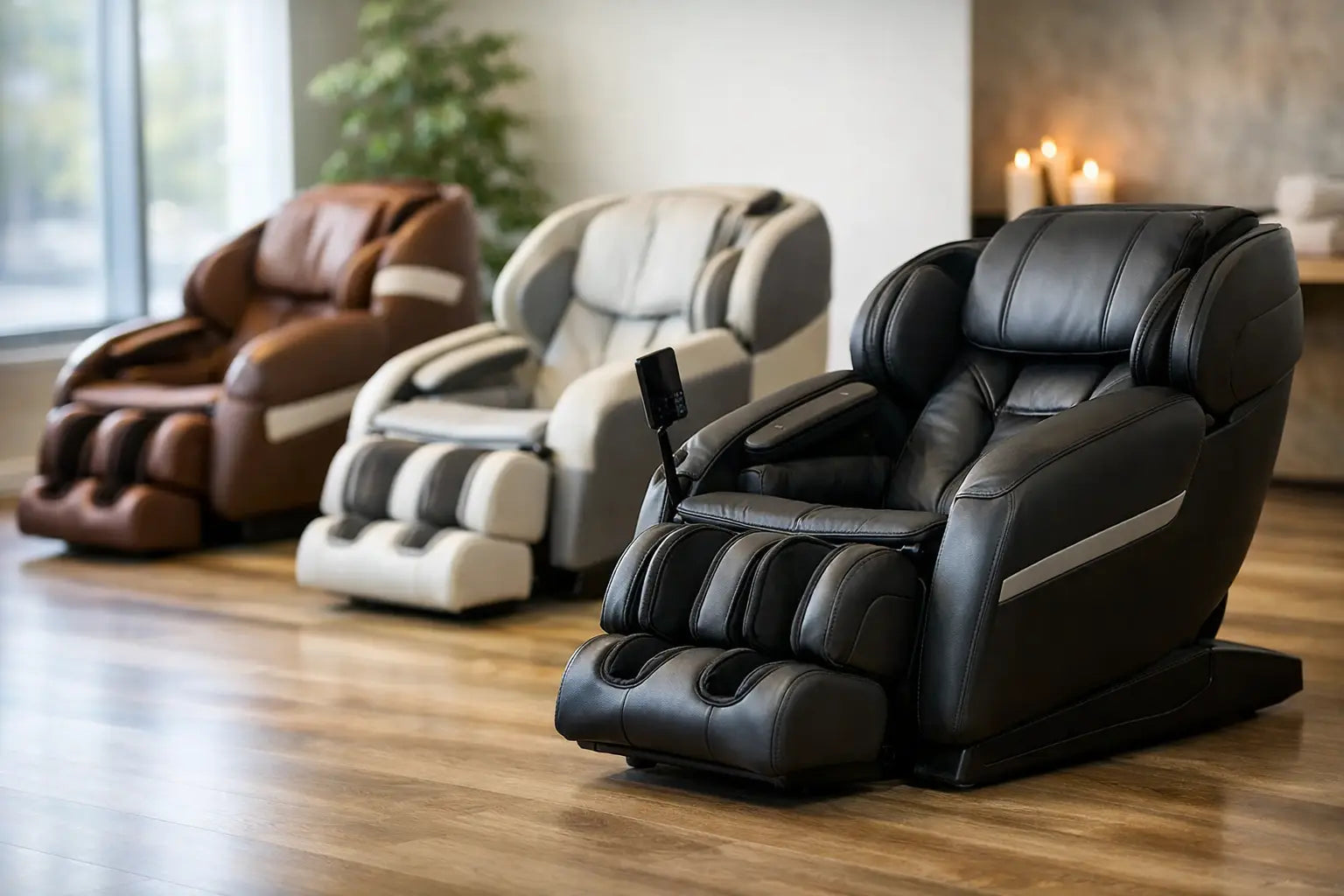
That is why this category has moved well beyond simple vibration and heat. Today’s premium recovery chairs use body scanning, air compression, zero gravity positioning, calf and foot massage, and multiple roller tracks to deliver a far more targeted experience. If you are investing in recovery tech for your home, the real question is not whether a massage chair can feel good. It is which type of chair actually matches the way you live, train, work, and recharge.
What makes the best massage chairs for recovery worth buying?
A recovery-focused massage chair should do more than offer a relaxing 15 minutes. It should help reduce the stiffness that builds up from repetitive stress, support circulation in overworked legs and feet, and make it easier to settle your nervous system after physically or mentally demanding days.
The strongest models usually combine three things well. First, they deliver enough roller precision to reach the neck, shoulders, mid-back, and lower back with believable pressure. Second, they use air compression in areas rollers cannot treat as effectively, especially the shoulders, arms, hips, calves, and feet. Third, they create a body position that encourages decompression, which is where zero gravity recline tends to matter.
That does not mean the most expensive chair is automatically the right one. Some people need aggressive deep tissue intensity. Others want gentler daily use that does not feel punishing after a workout. Recovery is personal, and so is the right massage profile.
Start with your recovery style, not the spec sheet
This is where many shoppers get tripped up. A chair can have a long feature list and still be a poor fit if it misses your real pain points.
If you lift, cycle, run, or stay active most days, lower-body recovery should be high on your list. Look closely at calf kneading, foot rollers, and strong air compression through the legs. If your soreness shows up mainly in the upper back and neck from desk work, editing, streaming, or gaming, roller quality and shoulder coverage matter more than flashy extras.
For some buyers, the chair is less about athletic recovery and more about daily reset. In that case, ease of use, quiet operation, and a smoother massage rhythm may matter more than maximum intensity. The best chair is the one you will actually use consistently.
Key features that separate premium recovery chairs from basic models
Roller track design
One of the biggest differences between entry-level and premium models is the roller track. S-track chairs follow the curve of the spine more closely, while L-track chairs extend farther down through the glutes and often the hamstrings. Some advanced chairs use hybrid or longer tracks that try to cover more of the body with better contouring.
For recovery, extended coverage is usually a real advantage. Tightness often settles into the hips and upper hamstrings, especially after training or long seated sessions. A chair that stops too high can leave those areas untouched.
Zero gravity positioning
Zero gravity is not just a luxury feature. When the body reclines with the legs elevated, weight is distributed more evenly and pressure on the spine can feel reduced. That can make the massage itself more effective and more comfortable, especially if your lower back tends to stay tense.
Some chairs offer one zero gravity position, while others include multiple levels. If you plan to use the chair frequently, that flexibility is worth having.
Air compression and lower-body work
Rollers get the attention, but air compression is a huge part of recovery performance. Good airbags can create a squeezing rhythm across the shoulders, arms, hips, calves, and feet that helps the body feel less tight and more refreshed afterward.
This matters even more if you spend long hours standing, commuting, or training. Leg fatigue responds well to compression, and many buyers end up using that function more than they expected.
Heat and stretching programs
Heat works best as a support feature, not the whole show. Targeted lumbar heat can help muscles loosen up and make massage programs feel more effective. Some chairs also include guided stretch modes that gently move the body through recline and compression sequences.
These programs can be excellent for post-work stiffness, but they are not one-size-fits-all. If you prefer direct pressure and shorter sessions, stretching routines may feel secondary. If your body responds well to mobility work, they can become a favorite setting.
Body scanning and adjustability
A chair that scans your body before a session can make a major difference, especially if you are taller, shorter, broader, or simply not close to the average build manufacturers design around. Better scanning usually means rollers hit the right areas with less awkward trial and error.
Adjustability also matters. Shoulder width settings, roller speed, intensity levels, recline options, and memory presets all improve day-to-day usability. Recovery tech should feel personalized, not generic.
How to compare the best massage chairs for recovery
If you are narrowing down options, compare them in terms of use case rather than hype.
For athletes and active households, prioritize stronger calf and foot systems, longer roller tracks, and deeper pressure. These features tend to deliver the most obvious post-workout payoff. For professionals building a premium home setup, a more balanced chair with excellent upper-body work, clean design, and quiet operation may be the smarter long-term choice.
If multiple people will use the chair, range becomes critical. Height accommodation, footrest extension, and adaptable intensity settings can make the difference between a shared household upgrade and a single-user machine. A chair that feels amazing for one person can feel misaligned for another.
Space is another serious factor. Some full-feature models need substantial clearance when reclining, while space-saving designs slide forward as they lean back. If your recovery chair is going into a media room, office, game room, or bedroom, measure carefully before you fall for a feature set that will not fit your layout.
Price, value, and where spending more actually helps
Massage chairs can move from premium to very expensive quickly, so value matters. The biggest gains from spending more usually show up in roller quality, body scanning accuracy, track coverage, materials, and program refinement. That is where a chair starts feeling less like a gadget and more like a serious recovery tool.
What does not always justify a big price jump is novelty. Built-in speakers, extra ambient lighting, or overloaded menus can sound impressive without changing how your body feels after a session. Recovery buyers should stay focused on mechanical performance first.
That said, convenience has value. A chair that starts fast, stores your preferred settings, and feels intuitive can become part of your daily routine. If the interface is clunky, even a capable chair may go unused.
Who benefits most from a recovery massage chair?
The obvious audience is active adults - lifters, runners, cyclists, and anyone training consistently. But the category is broader than that. Remote professionals, creators, drivers, gamers, and anyone stacking hours in static positions can get just as much value from the right chair.
Recovery is not only about muscle soreness. It is also about reducing the physical drag that builds up across busy weeks. A premium massage chair can become part of a smarter home wellness setup, alongside mobility work, red light therapy, better sleep habits, and intentional downtime.
That broader view is what makes this category appealing for modern home buyers. It fits naturally beside other performance-focused upgrades: a better workstation, a serious gaming setup, or a dedicated recovery corner that makes daily life feel more dialed in.
Common mistakes to avoid before you buy
One common mistake is buying based on intensity alone. Deep pressure sounds great until it feels too aggressive for regular use. Another is ignoring fit. If the shoulder position is wrong or the rollers miss your target areas, even a high-end chair can disappoint.
It is also easy to underestimate delivery, assembly, and room placement. These are large pieces of equipment, not casual impulse buys. Think through where the chair will live, who will use it, and whether your goal is occasional luxury or true weekly recovery support.
For buyers looking to build a more advanced home wellness setup, this is where a curated retailer can help cut through noise. Your Tech Haven’s approach to premium lifestyle tech makes sense for shoppers who want recovery gear that feels as intentional as the rest of their setup.
The right massage chair should feel less like a splurge and more like a system upgrade for your body. Choose the model that fits your recovery habits, your space, and the kind of pressure you will actually enjoy, and it has a real shot at becoming the most used seat in your home.