Industrial 3D Printers: Transforming Modern Manufacturing

Imagine unlocking new possibilities in design, production, and efficiency—all with the press of a button. Industrial 3D printers are redefining how businesses create everything from prototypes to end-use parts, empowering innovation across dozens of industries. https://yourtechhaven.com/collections/3d-printer-models
What Are Industrial 3D Printers?
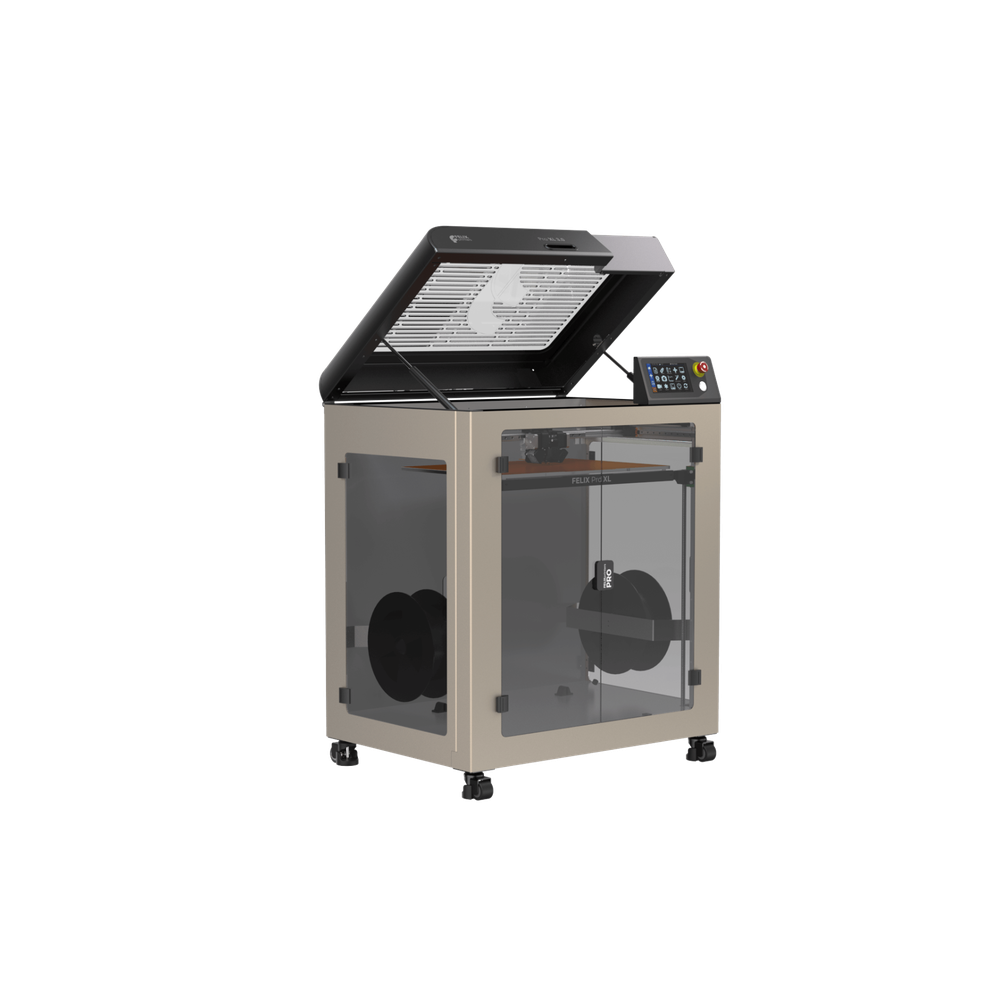
Industrial 3D printers are advanced manufacturing machines designed to produce functional, durable, and highly detailed objects. Unlike desktop 3D printers intended for hobbyists or small-scale projects, these robust devices handle larger build volumes, higher precision, and a wider range of engineering-grade materials. They support diverse printing technologies, including Fused Deposition Modeling (FDM), Stereolithography (SLA), Selective Laser Sintering (SLS), and Metal Additive Manufacturing.
Their applications span aerospace, automotive, medical devices, education, consumer goods, and more. Businesses rely on industrial 3D printers to accelerate product development, streamline production, and reduce costs—making them an integral tool in today’s competitive landscape.
How Industrial 3D Printers Work
The process begins with a digital design, usually in the form of a 3D CAD (computer-aided design) file. This file guides the printer in depositing or solidifying material layer by layer, building complex components that traditional machining can’t always achieve.
- Fused Deposition Modeling (FDM): Melts and extrudes thermoplastic filament.
- Stereolithography (SLA): Cures liquid resin using a precise laser.
- Selective Laser Sintering (SLS): Fuses powdered materials with laser energy.
- Metal Additive Manufacturing: Utilizes either Direct Metal Laser Sintering (DMLS) or binder jetting technologies for metal components.
Material compatibility, accuracy, and printer size vary, giving users the flexibility to match their specific needs. High-end industrial 3D printers offer controls for temperature, humidity, and speed to produce consistent, high-strength parts.
Benefits of Industrial 3D Printers
Switching to industrial 3D printing comes with unique advantages for companies ready to rethink manufacturing:
- Speed to Market: Rapid prototyping drastically reduces development cycles, letting designers and engineers evaluate and revise designs in days instead of weeks.
- Customization: Printing on demand allows for highly customized products without the expense of retooling.
- Design Freedom: Intricate geometries, internal channels, and lightweight lattice structures are possible, enabling solutions traditional methods can’t produce.
- Material Efficiency: Additive manufacturing significantly reduces waste compared to subtractive approaches, minimizing material costs.
- Supply Chain Simplification: On-site printing of functional parts diminishes reliance on overseas suppliers and large inventories.
- Reduced Tooling Costs: Eliminates the need for molds, dies, or specialized tooling, particularly for low-volume or specialized items.
These advantages make industrial 3D printers crucial for small-batch production, creativity in design, and responsive manufacturing practices.
Common Uses for Industrial 3D Printers
Across industries, these machines are streamlining processes, boosting adaptability, and delivering measurable results.
Prototyping and Product Development
Designers rely on industrial 3D printing to transform concepts into physical models in record time. Prototypes can be functional, visually accurate, and produced using materials that mimic final products. This rather hands-on approach leads to better testing and less guesswork, improving final outcomes and customer satisfaction.
Tooling and Manufacturing Aids
Factoring in jigs, fixtures, and assembly tools, industrial 3D printers allow businesses to create custom solutions tailored to production lines. These aids optimize efficiency, ensure consistent quality, and can be iteratively refined based on user feedback.
Low-Volume and Bridge Production
For products that don’t justify full-scale manufacturing investment—or when supply chains face delays—companies turn to industrial 3D printers for bridge manufacturing. This covers production volumes between initial prototypes and mass manufacturing, filling gaps while demand stabilizes or tooling is built.
End-Use Parts and Components
Modern industrial 3D printers now create high-strength, certified final parts suitable for use in aircraft, vehicles, machinery, and even medical devices. Additive manufacturing’s precision supports demanding industries seeking lightweight, resilient, and complex shapes.
Key Features to Consider
Choosing the right industrial 3D printer involves a careful assessment of technical and practical requirements. Here are some crucial factors to weigh:
- Build Volume: Determines maximum part size and batch production capability.
- Compatible Materials: From engineering plastics and composites to metals, the range of supported materials impacts possible applications.
- Printing Speed: Essential for commercial throughput and rapid prototyping.
- Resolution and Accuracy: Impacts part smoothness, fit, and functionality.
- Software Integration: Compatibility with your workflow, digital file types, and design platforms is vital for efficiency.
- Maintenance and Support: Professional servicing, regular updates, and technical support keep operations running smoothly.
Selecting a printer that aligns with your business needs ensures optimal ROI and avoids costly technology mismatches.
Industries Harnessing Industrial 3D Printing
The impact of industrial 3D printers stretches far beyond technical circles, touching virtually every sector.
- Aerospace: Produces corrosion-resistant, lightweight, and certified components for aircraft engines and structures.
- Automotive: Accelerates prototyping, designs custom tooling, and manufactures low-volume specialty or vintage car parts.
- Healthcare: Enables patient-specific implants, surgical guides, and biocompatible instruments crafted to unique dimensions.
- Consumer Products: Facilitates rapid testing of new concepts while offering tailored athletic gear, electronics, and wearables.
- Education and Research: Equips labs with the capability to fabricate testing equipment, models, and research tools on demand.
- Architecture and Construction: Crafts intricate scale models, building components, and even full-scale construction elements, pushing design boundaries.
In each case, the adaptability and efficiency of industrial 3D printers unlock new business models and streamline old ones.
Considerations Before Investing
While the potential is enormous, thoughtful planning is key to maximizing benefits. Assess your organization’s readiness with questions like:
- What volume and type of parts will you be producing? High-output needs might require multiple or larger printers.
- What are your preferred materials? Some high-performance materials need specialized hardware or post-processing.
- Will your workflows benefit from in-house printing, or should you consider outsourcing certain parts?
- What is your team’s technical skill level? Training is essential for safe and effective printer operation.
- How will you scale as your product line grows? Ensure chosen systems are upgradable or compatible with automated processes.
A clear strategy guarantees your investment matches evolving production plans and operational demands.
The Future of Industrial 3D Printing
Adoption rates for industrial 3D printers continue to soar as new breakthroughs emerge. Improvements in speed, accuracy, material diversity, and printing technologies make additive manufacturing even more accessible and versatile. Machine learning, automation, and remote monitoring integrations are also on the rise, simplifying production management and optimizing printer uptime.
As sustainable operations become a priority, industrial 3D printers help reduce waste and energy use, supporting environmentally responsible manufacturing. With each advancement, previously unimaginable designs and processes become reality, further democratizing innovation.
Making the Right Choice
Bringing industrial 3D printers into your business is a significant step that can propel your operations into the future. Start with a thorough evaluation of your production goals, technical requirements, and budget. Consider small-scale pilots to build expertise before expanding capabilities. Collaborate with knowledgeable vendors to choose equipment that matches both current and future ambitions.
With the right solution in place, you can shorten timelines, expand what’s possible, and gain a decisive edge in your market.
Conclusion
Industrial 3D printers are reshaping the way businesses innovate, manufacture, and grow. Explore how these advanced tools can streamline your workflows, cut costs, and open new horizons for your products and ideas.